

Economy
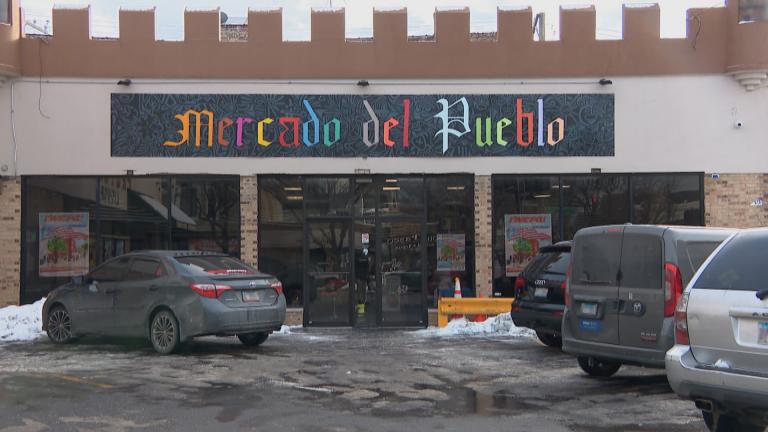

The neighborhood has long been the epicenter of the city’s Puerto Rican community, but in recent years, fears of gentrification and displacement have grown — and in some cases, become reality. A new business incubator hopes to help change that.
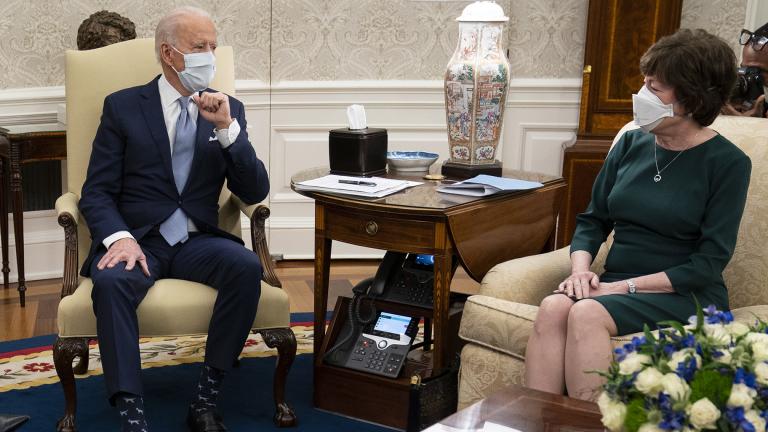
Plus: Local Congress members weigh in on ‘Chicago Tonight’
President Joe Biden told Republican senators during a two-hour meeting Monday night he’s unwilling to settle on an insufficient coronavirus aid package after they pitched their slimmed down $618 billion proposal that’s a fraction of the $1.9 trillion he is seeking.

It’s a fable for our times: Small-time investors band together to take down greedy Wall Street hedge funds using the stock of a troubled video-game store. But the revolt of online stock-traders suggests much more.
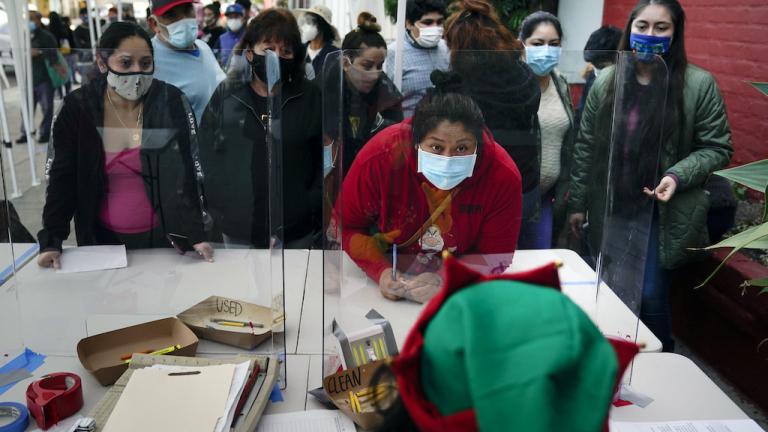
Before the pandemic, 14.6% of all Latina workers in the U.S. worked in the hospitality sector, according to the Economic Policy Institute. Two such workers who lost their jobs during the health crisis share their experiences.
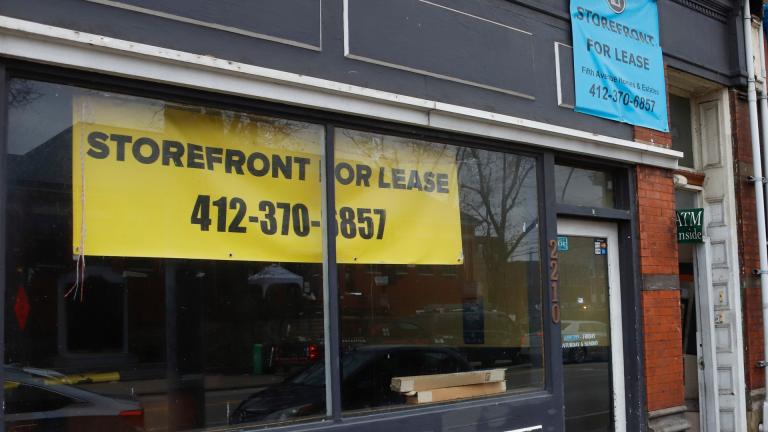
The CBO projected that an average of 521,000 jobs will be added monthly this year, a pace that would fall to 145,000 in 2022.
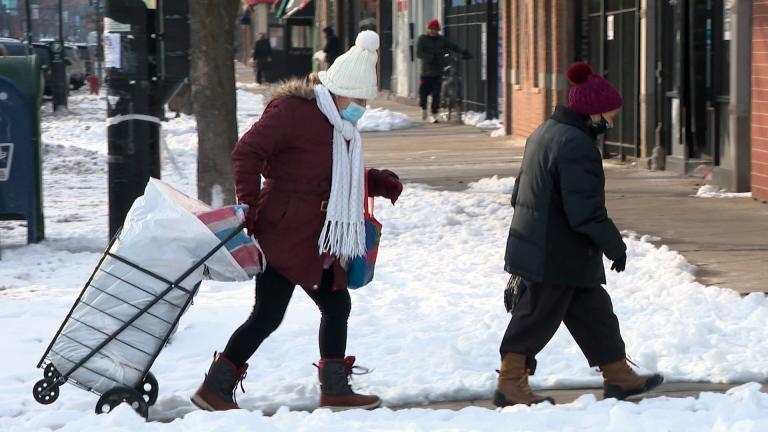
As the city begins to stir from its COVID-19 slumber, we talk with local journalists about how the reopening is impacting Latino communities.

Another bout of selling gripped the U.S. stock market Friday, as anxiety mounts over whether the frenzy behind a swift, meteoric rise in GameStop and a handful of other stocks will damage Wall Street overall.

The Northwest Side community of Jefferson Park is known as the gateway to Chicago, in part because it’s a transit hub. The area’s thought of by some as typical “bungalow belt” Chicago. It’s predominantly middle class, but recently there’s been an uptick in homelessness.

The struggling video game retailer’s stock has been making stupefying moves this month, wild enough to raise concerns from professional investors on Wall Street to the hallways of regulators and the White House in Washington.

GameStop stock has rocketed from below $20 earlier this month to close around $350 Wednesday as a volunteer army of investors on social media challenged big institutions who had placed market bets that the stock would fall.
Thursday's report from the government estimated that the nation's gross domestic product — its total output of goods and services — slowed sharply in the October-December quarter from a record 33.4% surge in the July-September quarter.
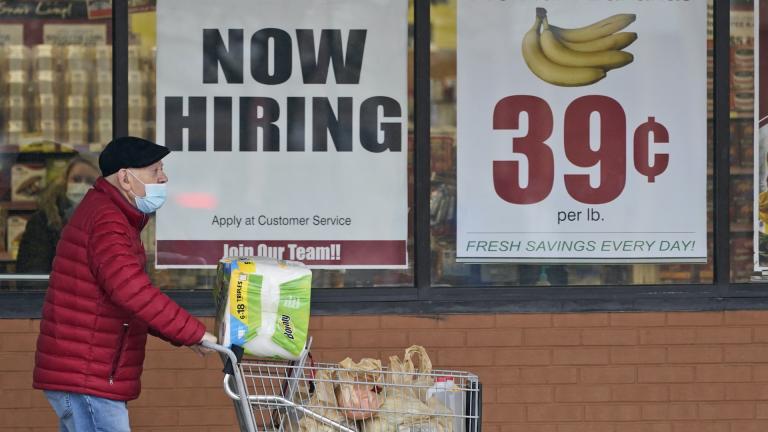
Last week’s claims dropped by 67,000, from 914,000 the week before, the Labor Department said Thursday. Before the virus hit the United States hard last March, weekly applications for jobless aid had never topped 700,000.
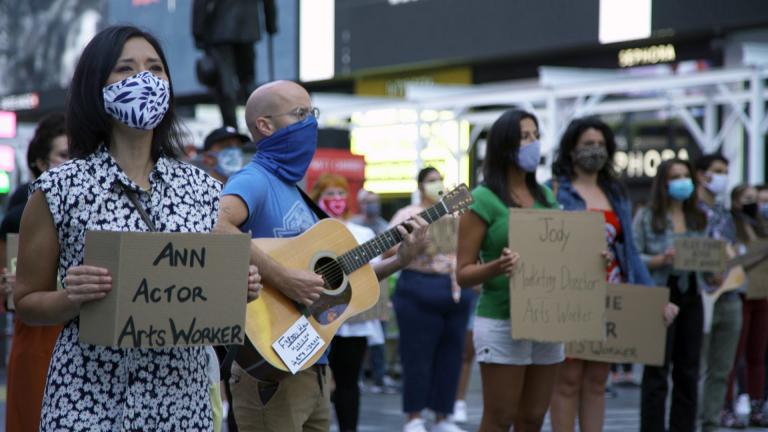
Artists are calling on the Biden administration to provide economic relief to the arts sector through a proposal called the DAWN Act — that stands for Defend Arts Workers Now — that was co-organized by Chicago playwright Matthew Lee-Erlbach.

Indoor dining and drinking is again allowed at bars and restaurants in Chicago and Cook County. The move could bring businesses much-needed cash during the pandemic, but some in the industry think the risks outweigh the benefits.
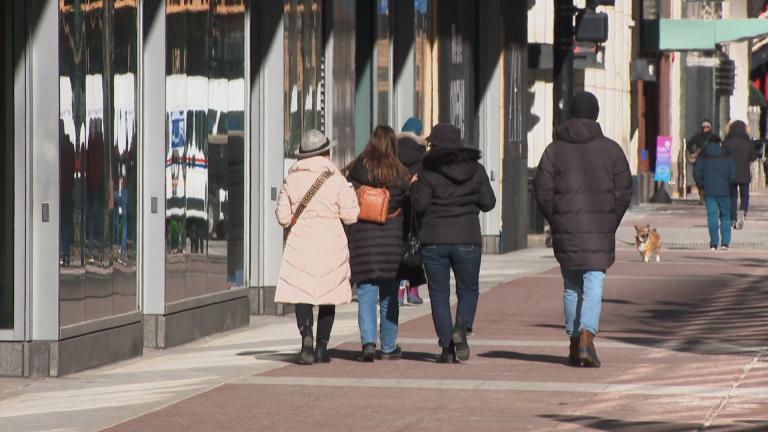
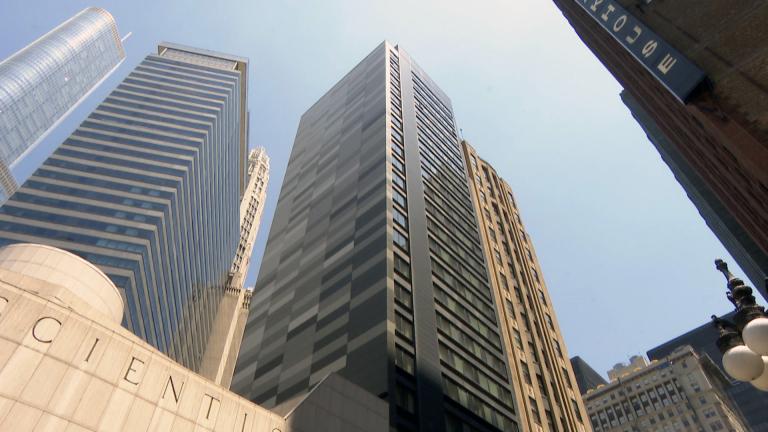
The Loop has been eerily quiet over the past year. COVID-19 has forced thousands of downtown office workers to stay home, while performing arts venues have retreated into hibernation. But many of the Loop’s small businesses and cultural institutions are still kicking.
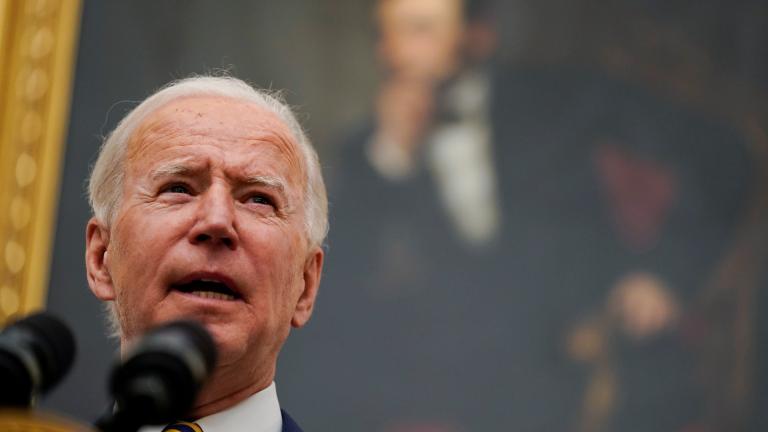
President Joe Biden took executive action Friday to speed a stopgap measure of financial relief to millions of Americans affected by the coronavirus pandemic while Congress begins to consider his much larger $1.9 trillion package.
Trending
Who Is Running, or Thinking About Running, to Become Chicago’s Next Mayor

Suspend CPD Officers, Sergeant Repeatedly Accused of Making Improper Traffic Stops for a Combined 330 Days: Police Brass

No Tax Hikes or Layoffs Needed to Close Cook County’s $550M Gap Thanks to ‘Budget Magic’: Preckwinkle
Marimar Martinez Hopes New Lawsuit Could Spur Criminal Charges 1 Year After Border Patrol Agent Shot Her

Hilario Dominguez, Candidate for CPS Board President, Defends Conduct as Watchdog Reopens Probe Into Inappropriate Behavior Allegations

Sign up for the WTTW News newsletter