

Economy
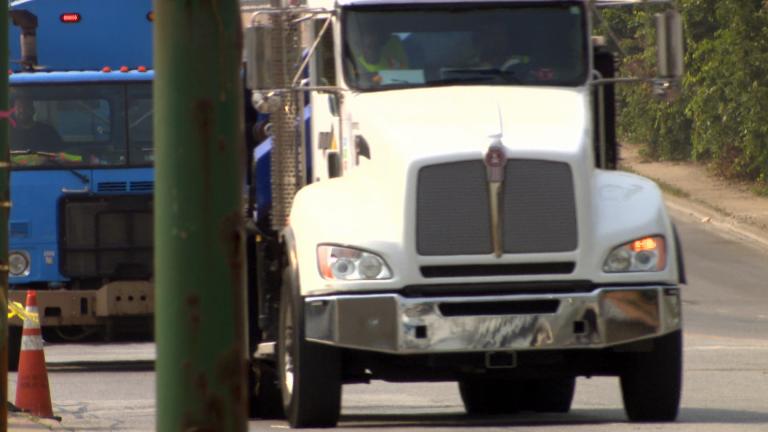

Small-business owners in Illinois are experiencing an unprecedented demand in supplies and goods, but inventory is limited at stores due to supply chain issues nationwide.
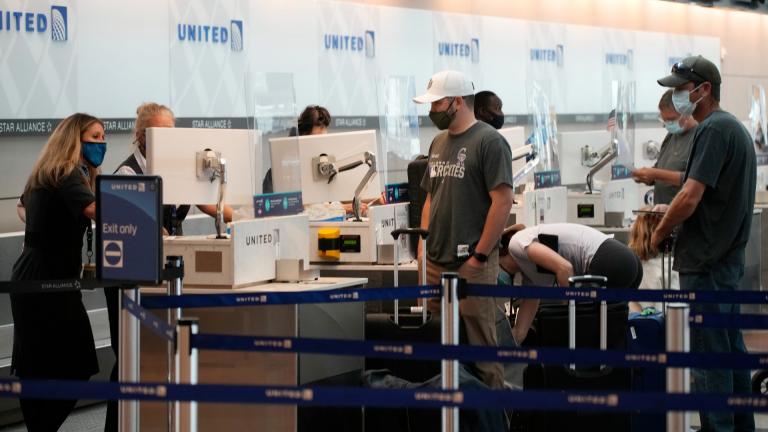
United Airlines reported a $473 million profit for the third quarter thanks to more than $1 billion in federal pandemic aid that helped pay airline employees this summer.
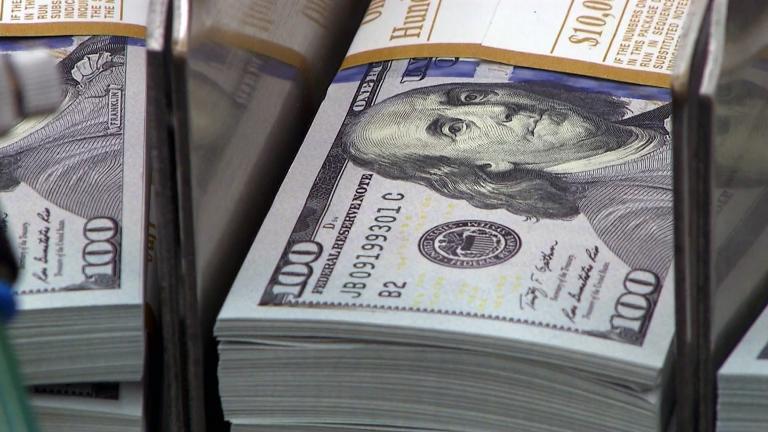
Discussion and debate over a recently released book that advocates for a “citizen dividend” that would give cash to Americans.
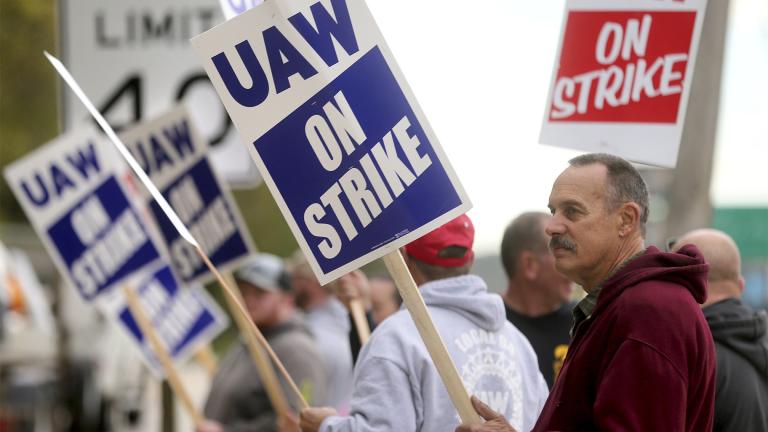
Both the Moline, Illinois-based company and the United Auto Workers union confirmed that talks had resumed.
More than 10,000 Deere employees went on strike last week at 14 Deere factories in Illinois, Iowa, Kansas, Colorado and Georgia after the United Auto Workers union rejected a contract offer. The longer the strike continues, the greater the impact will be on the communities around the plants.
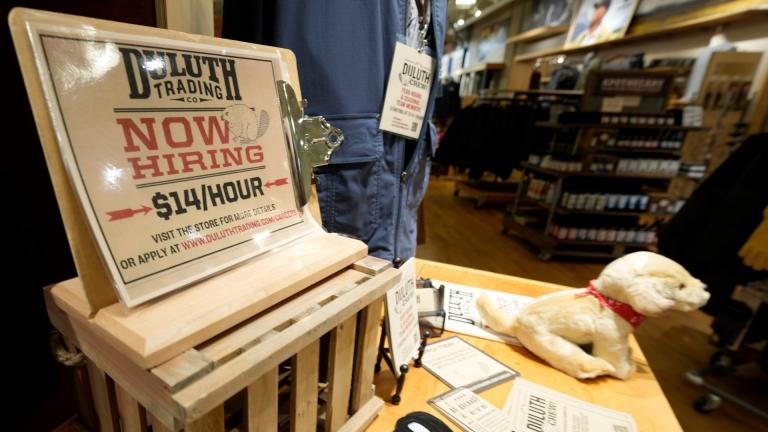
The number of Americans applying for unemployment benefits fell to its lowest level since the pandemic began, a sign the job market is still improving even as hiring has slowed in the past two months.
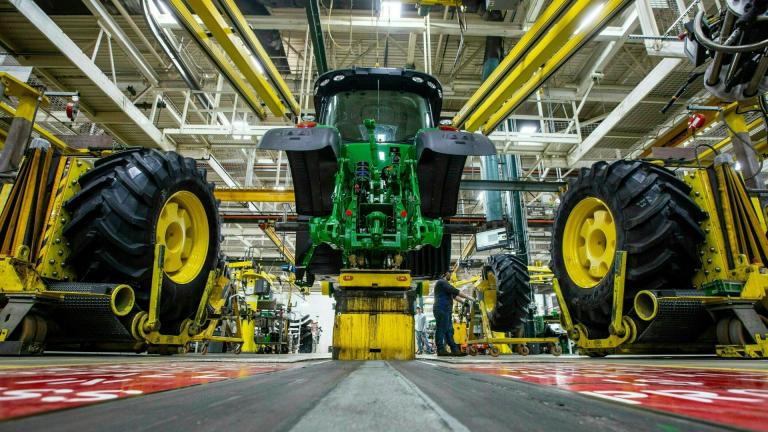
More than 10,000 Deere & Co. workers went on strike Thursday, the first major walkout at the agricultural machinery giant in more than three decades.
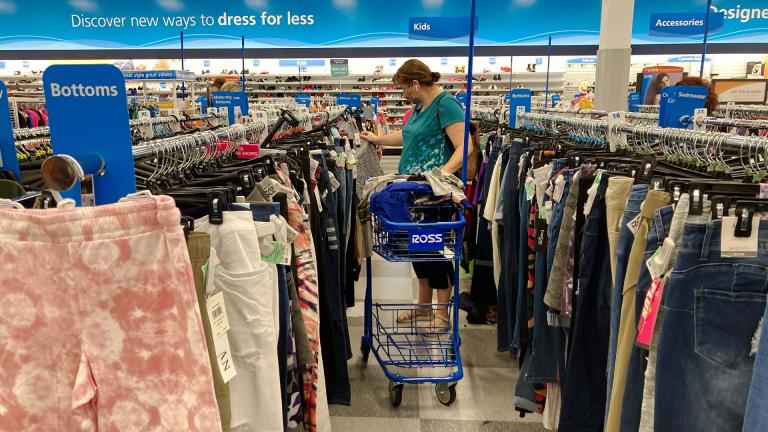
The unexpected burst of inflation this year reflects sharply higher prices for food and energy, but also for furniture, cars, televisions, and other largely imported goods. COVID-19 has shut down factories in Asia and slowed U.S. port operations.
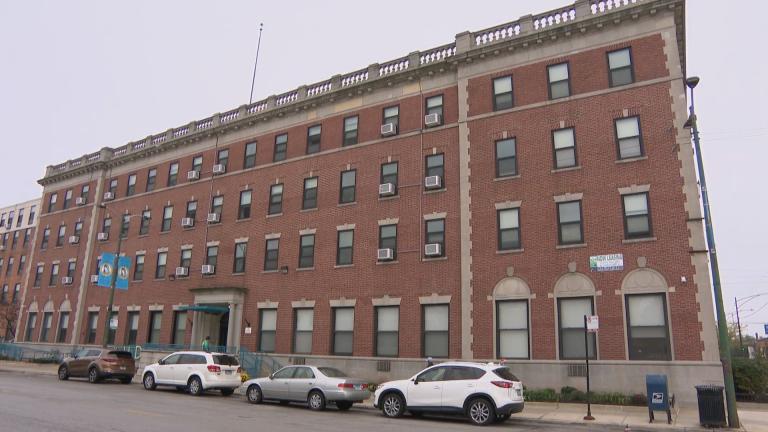
The infusion comes on the heels of Mayor Lori Lightfoot’s Invest South-West Initiative, a three-year program aimed at investing $750 million in developments across 10 neighborhoods, including South Chicago.
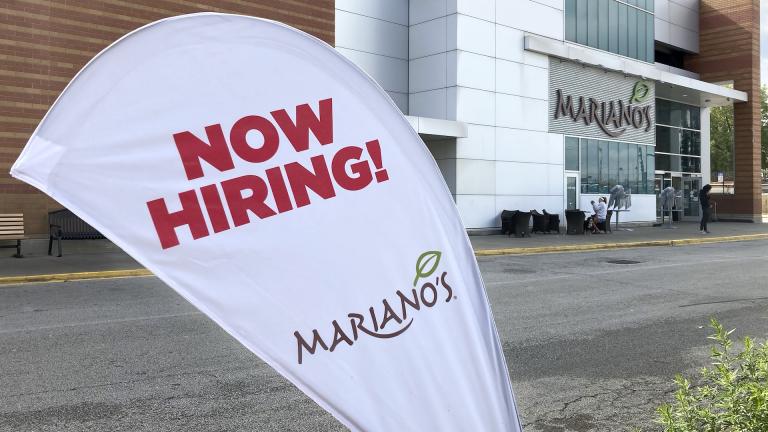
The Labor Department said that quits jumped to 4.3 million in August, the highest on records dating back to December 2000, and up from 4 million in July.
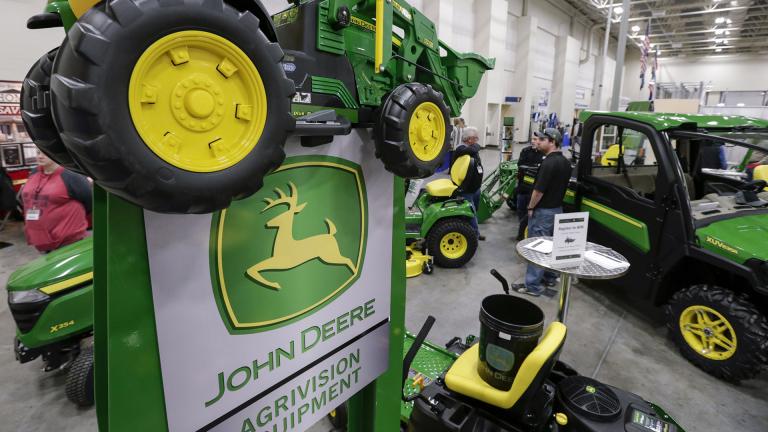
Negotiators will return to the bargaining table Monday to try and work out a new deal to cover more than 10,000 workers at 14 plants across the United States. The union set a strike deadline of 11:59 p.m. Wednesday.
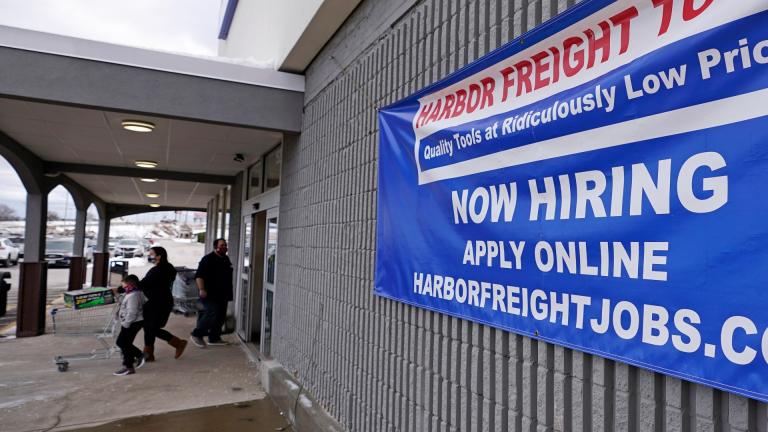
Friday’s report from the Labor Department also showed that the unemployment rate fell sharply to 4.8% from 5.2% in August. Last month’s job gains fell shy of even the modest 336,000 that the economy had added in August and were the fewest since December, when employers actually cut jobs.
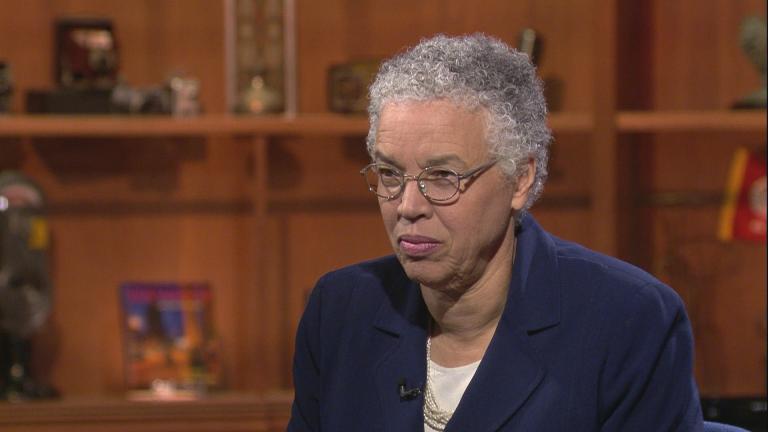
Cook County Board President Toni Preckwinkle’s $8 billion plan calls for Cook County’s workforce to grow by approximately 1,600 employees to a total workforce of more than 23,000 workers in 2022.
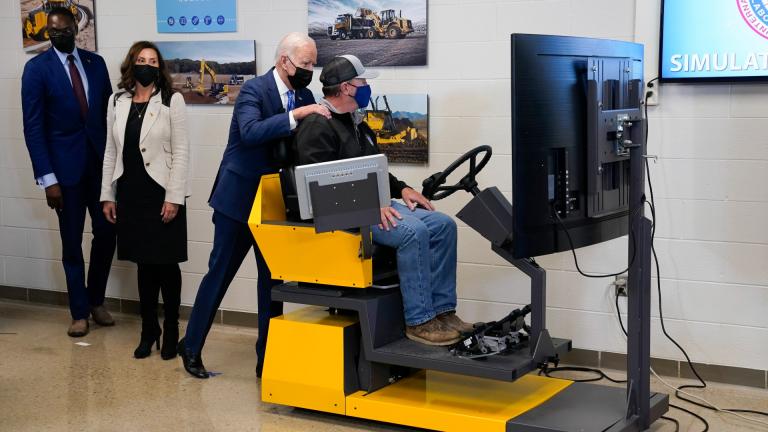
Calling opponents of his plans “complicit in America’s decline,” President Joe Biden made the case Tuesday that his ambitious social spending proposal is key to America’s global competitiveness — even as he acknowledged the current $3.5 trillion price tag will shrink.

The University of Chicago is bringing together researchers, practitioners, policymakers and advocates to envision a better, more sustainable future for Chicago and cities around the globe.
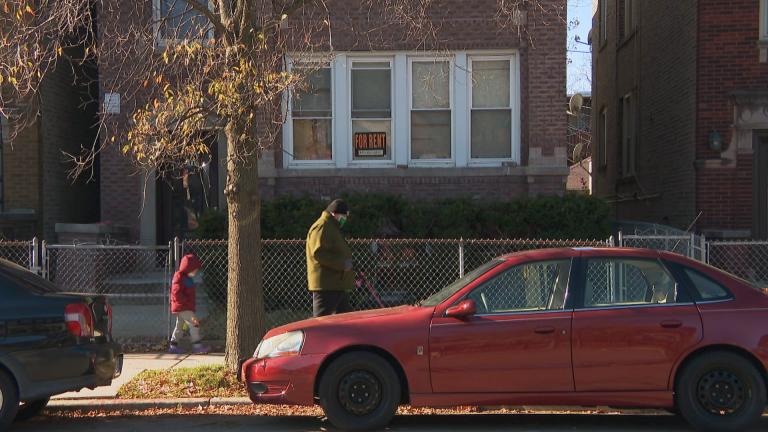
Nearly 70,000 Illinoisans said they’re “very likely” to leave their home due to eviction within the next two months, according to a recent U.S. Census Bureau Household Pulse Survey.
Trending
2026 Chicago Festival Guide

CPD Sergeant Who Led Botched Raid at Home of Anjanette Young Now Working as a Suburban Police Detective

Woman Charged With Fatally Stabbing 7-Year-Old Girl Walking in Chicago Saturday

Key City Panel Unanimously Agrees to Pay $260.8M to Resolve 16 Lawsuits Tied to Disgraced Ex-CPD Detective Reynaldo Guevara

Marimar Martinez Hopes New Lawsuit Could Spur Criminal Charges 1 Year After Border Patrol Agent Shot Her

Sign up for the WTTW News newsletter