

COVID-19 Variants
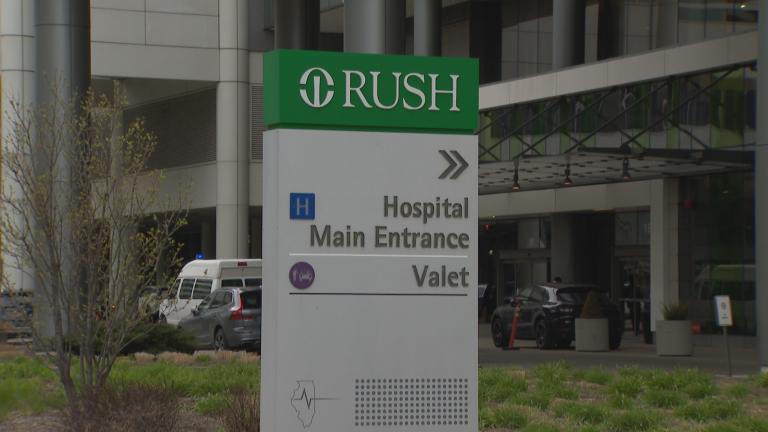

The Illinois Department of Public Health reported just over 1,463 new COVID-19 cases Monday, up from 756 cases a week ago. That’s in comparison to a high of more than 42,903 cases reported on Jan. 7 at the height of omicron.
Top Chicago public health officials say that the BA.2 omicron subvariant will be making up most of Chicago cases by the end of the month.
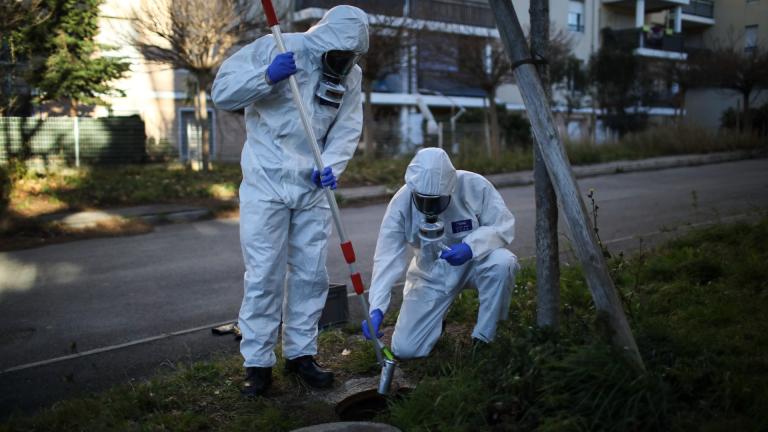
As coronavirus infections rise in some parts of the world, experts are watching for a potential new COVID-19 surge in the U.S. — and wondering how long it will take to detect.
State Contact Tracing Surge Center Handling Bulk of Cases
In the early days of the coronavirus pandemic, city and county officials hired hundreds of contact tracers to help stop the spread of the coronavirus as the sheer number of cases overwhelmed local health departments. But as the coronavirus pandemic enters an endemic phase, contact tracing will become more targeted, according to officials.

There were more than 12 million new weekly cases and just under 33,000 deaths, a 23% decline in mortality, according to the U.N. health agency’s report on the pandemic issued late Tuesday.
In the U.N. health agency’s weekly report on the pandemic issued late Tuesday, WHO said there were more than 11 million new COVID-19 infections last week — about an 8% rise — and 43,000 new deaths. The number of COVID-19 deaths globally has been dropping for the past three weeks.

According to a November study, researchers estimate that anywhere from 700,000 to 1.6 million people in the U.S., are currently experiencing chronic smell loss or distortion because of COVID-19. For several Chicago-area residents, the loss persists.
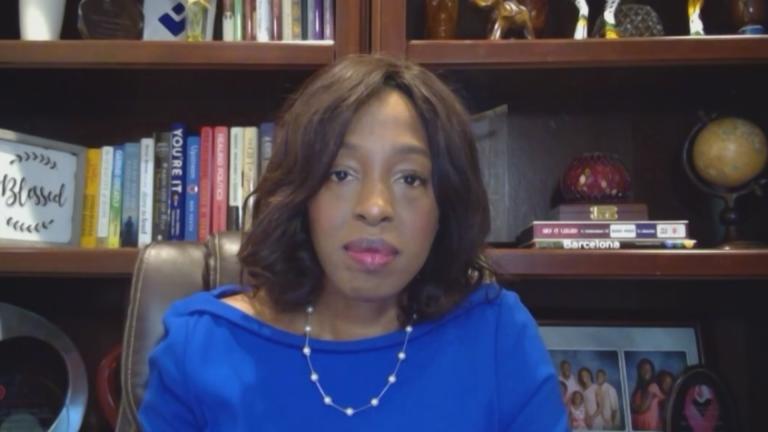
Dr. Ngozi Ezike’s last day as director of the Illinois Department of Public Health is March 14. In a one-one-one interview, she spoke about her plans for the future and reflected on the last two years of COVID-19 response efforts.
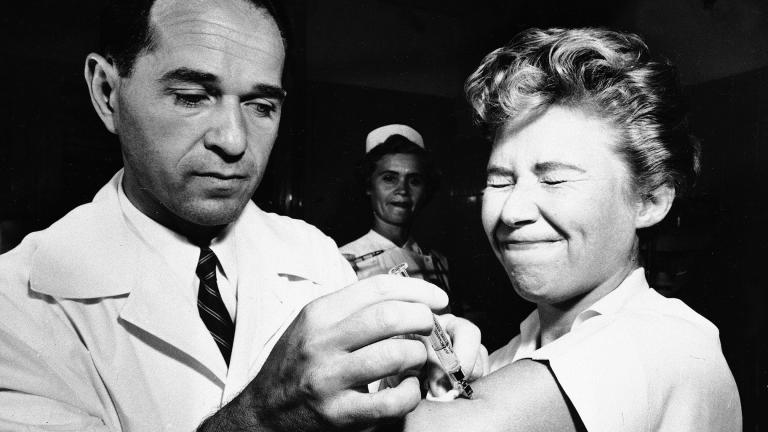
The COVID-19 global pandemic has waxed and waned differently in different parts of the world. But in the United States, at least, there is reason to believe the end is near. About 65% of Americans are fully vaccinated, and about 29% are both vaccinated and boosted. Cases have been falling for nearly two months, with the U.S. daily average dropping about 40% in the last week alone.
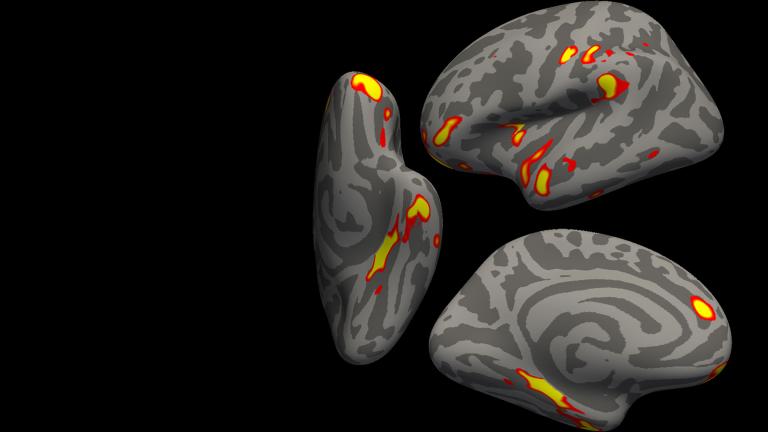
The study, published Monday in the journal “Nature,” is believed to be the largest of its kind. It found that the brains of those who had COVID-19 had a greater loss of grey matter and abnormalities in the brain tissue compared with those who didn’t have COVID-19.

The milestone is the latest tragic reminder of the unrelenting nature of the pandemic even as people are shedding masks, travel is resuming and businesses are reopening. The death toll, compiled by Johns Hopkins University, stood at 5,996,882 as of Sunday morning and was expected to pass the 6 million mark later in the day.
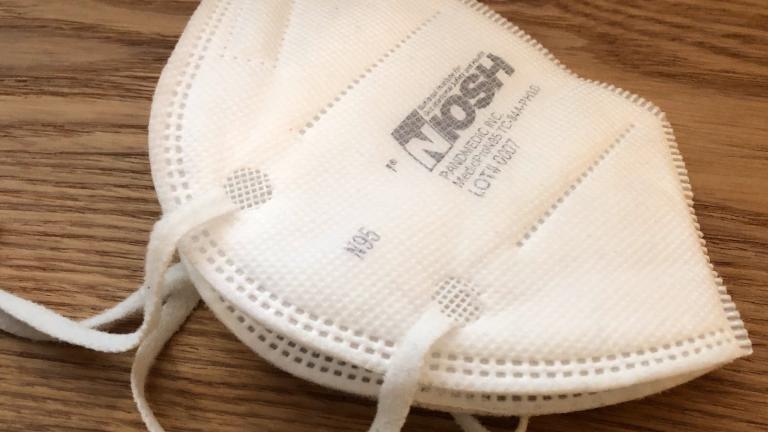
This week seems to have marked a turning point in the COVID-19 pandemic with the lifting of masking mandates and vaccine checks in Chicago. But as spring approaches, it’s also a reminder that we’ve been here before.
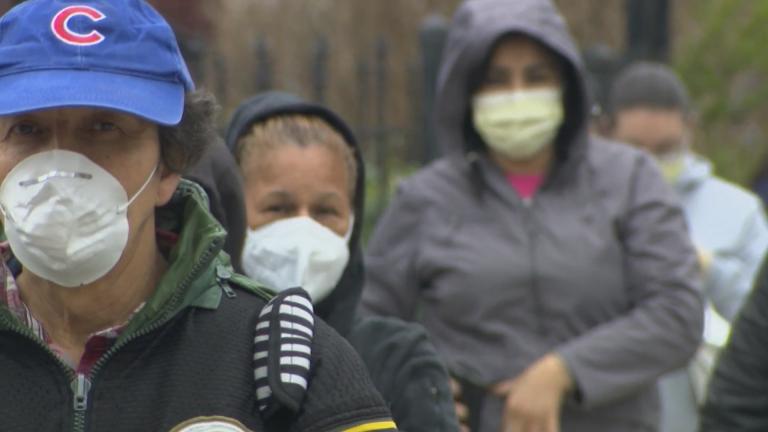
Cook County is now at the lowest level of COVID-19 risk, under new guidance set by the Centers for Disease Control and Prevention.

Dr. Ngozi Ezike, Illinois’ top doctor and the director of the Illinois Department of Public Health, will step down on March 14, Gov. J.B. Pritzker announced Tuesday.
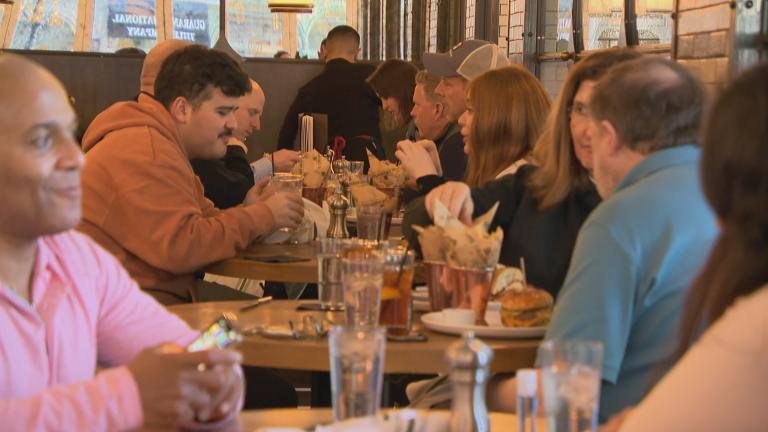
As expected, Gov. J.B. Pritzker on Monday issued a new executive order that lifts the requirement for masking in most indoor public settings, citing a “vast improvement” in COVID-related hospitalizations and transmissions.
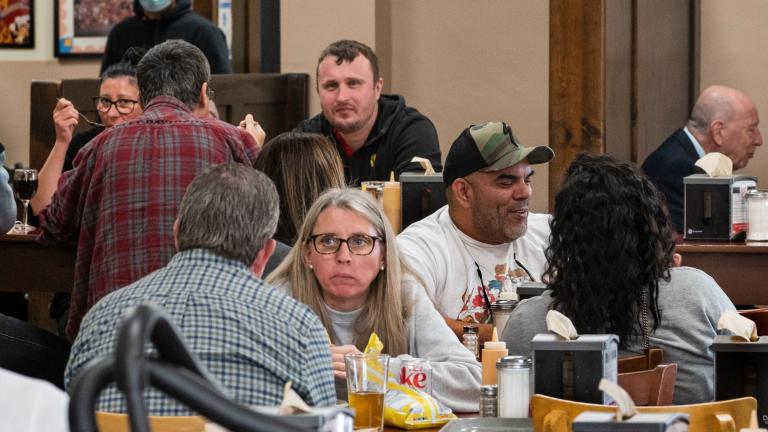
Many Americans, including parents of school children, have been clamoring for an end to masking while others remain wary that the pandemic could throw a new curveball. Now, states, cities and school districts are assessing Friday’s guidance to determine whether it’s safe to stop mask-wearing.
Trending
Interim NITA Director Earning $350K Salary While Also Collecting $213K Annual City Pension, Records Show

Early Voting for November General Election Kicks Off in Downtown Chicago

Uptown Theatre Added to Open House Chicago, Catch a Rare Glimpse Inside Gilded Jewel

City Lawyers Propose Spending $260.8M to Settle 16 Cases Tied to Disgraced Ex-CPD Detective Guevara

Chicago Woman Accused of Social Security Fraud After Hiding Mother’s Body in Freezer for 2 Years
Sign up for the WTTW News newsletter