

COVID-19 Vaccine
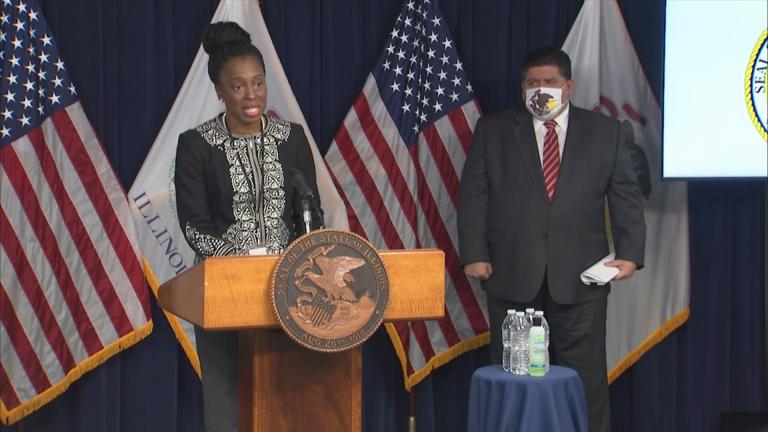
State health officials on Wednesday reported 69 coronavirus-related deaths – the highest number in a single day since June, when Illinois was coming off its initial peak in COVID-19 infections.
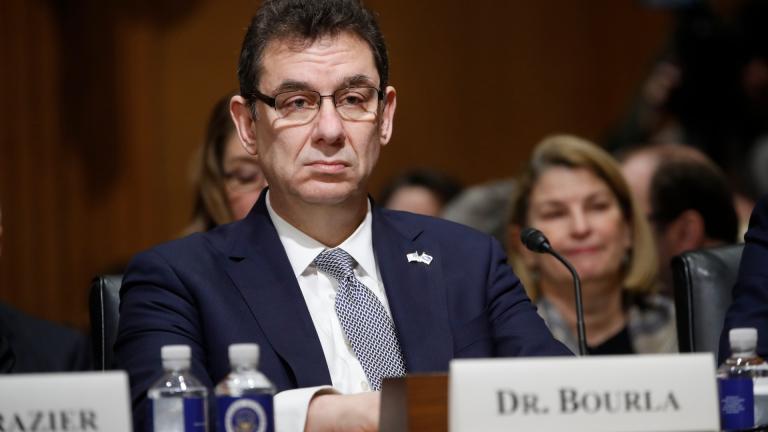
Despite President Donald Trump’s repeated promises of a vaccine before Election Day, scientists have been cautioning that it’s unlikely data showing a leading shot actually works would come until November or December.
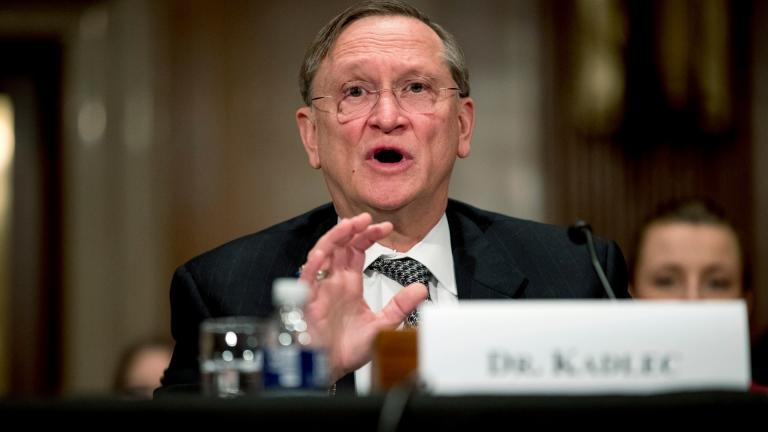
President Donald Trump has said at rallies, debates and press conferences that a vaccine could arrive within weeks. “We think we can start sometime in October,” Trump said at a White House press briefing last month.
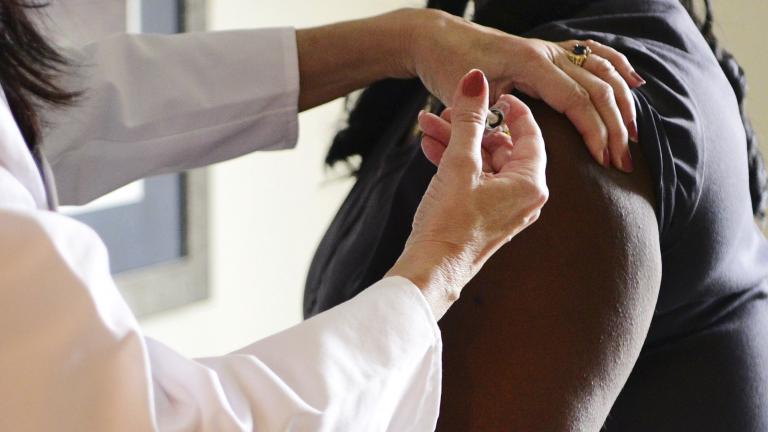
The coronavirus outbreak has hit Black, Hispanic and Native Americans disproportionately in hospitalizations and deaths. The disparities are thought to stem from people of color working in jobs on the front lines, having medical conditions associated with severe disease, higher rates of poverty and poor access to health care.
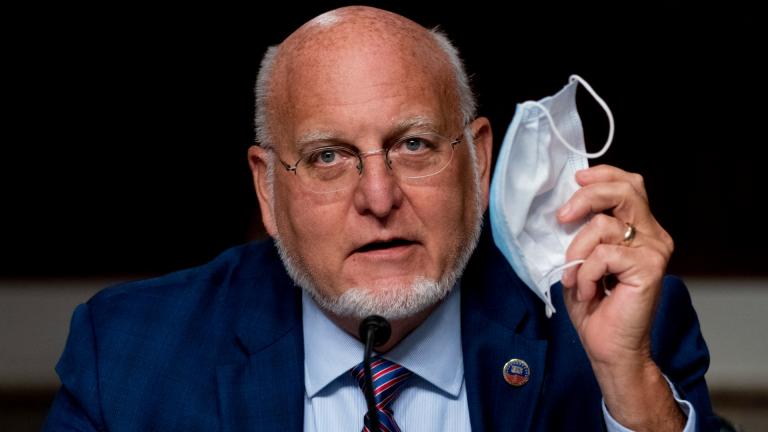
In a report to Congress and an accompanying “playbook” for states and localities, federal health agencies sketched out complex plans for a vaccination campaign to begin gradually in January or even late this year.
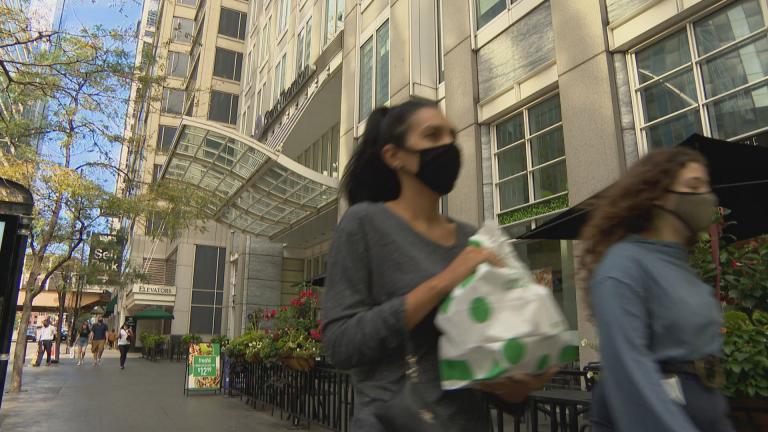
With the race for a vaccine underway and President Donald Trump claiming one could be available before the November election, Gov. J.B. Pritzker reiterated Wednesday that safety would guide the state’s reopening.

The top U.S. infectious disease expert said AstraZeneca’s suspension of final testing of its COVID-19 vaccine candidate shows “one of the safety valves” built into the studies to spot any potential problems.
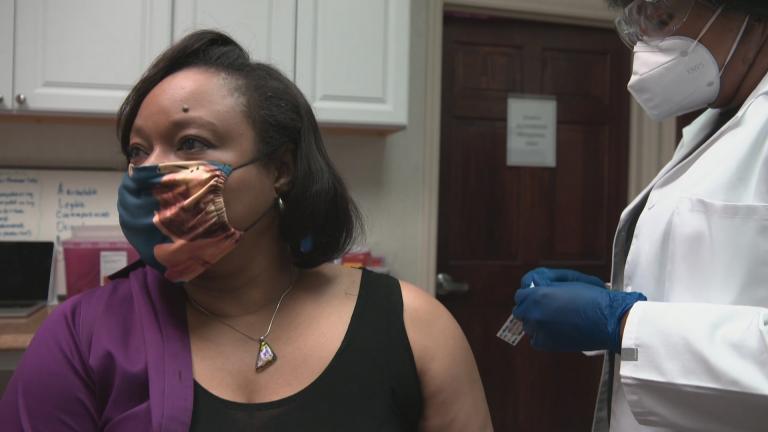
What you need to know about the race for a coronavirus vaccine.
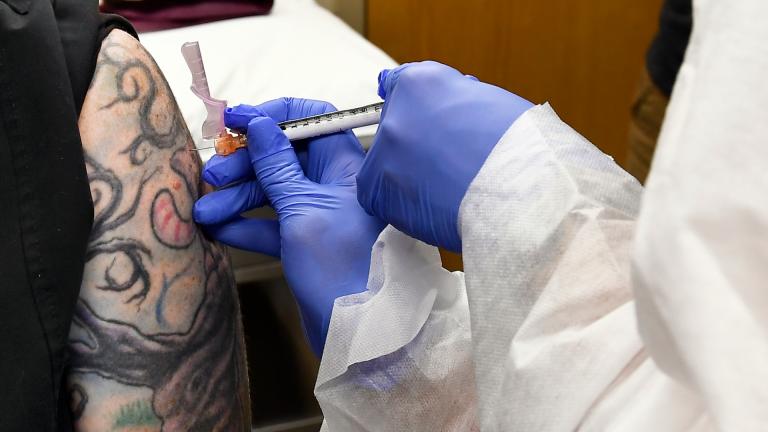
A letter from federal health officials instructing states to be ready to begin distributing a vaccine by Nov. 1 — two days before the election — has met, not with exhilaration, but with suspicion among some public health experts.
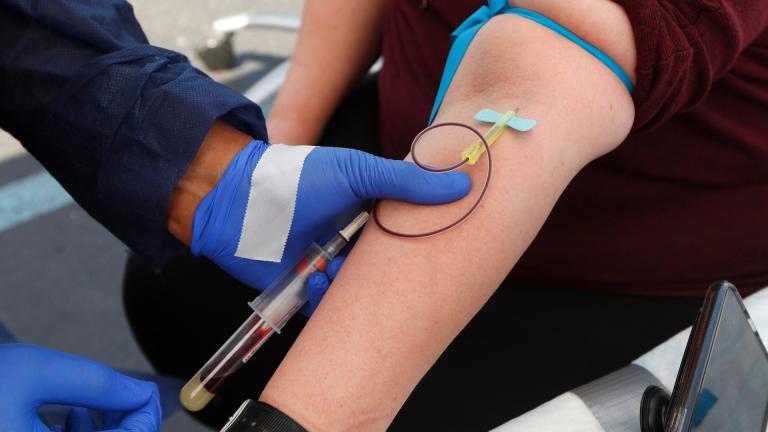
Antibodies that people make to fight the new coronavirus last for at least four months after diagnosis and do not fade quickly, as some earlier reports suggested, scientists have found.
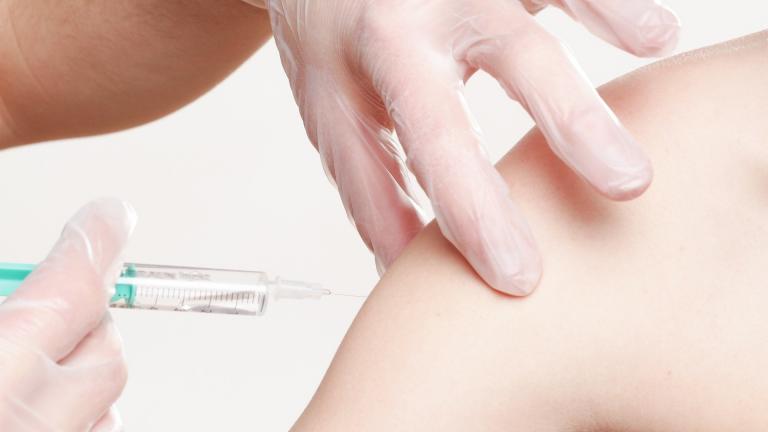
A handful of Chicago residents became the first in the city to participate in a national clinical trial to test a potential COVID-19 vaccine as the University of Illinois at Chicago launched its study on Monday.
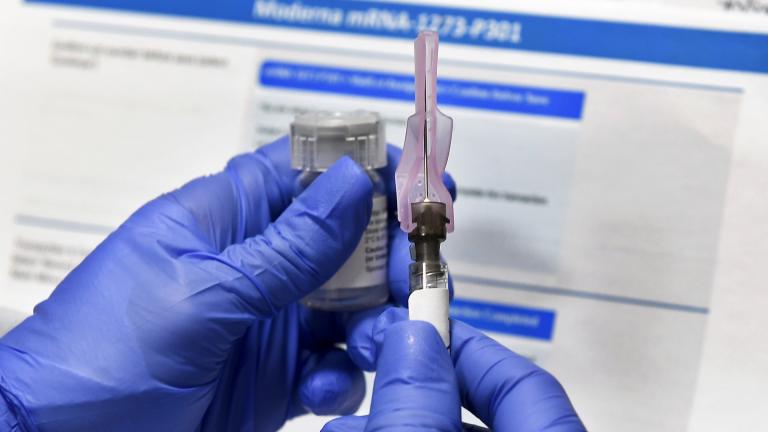
Who gets to be first in line for a COVID-19 vaccine? U.S. health authorities hope by late next month to have some draft guidance on how to ration initial doses, but it’s a vexing decision.
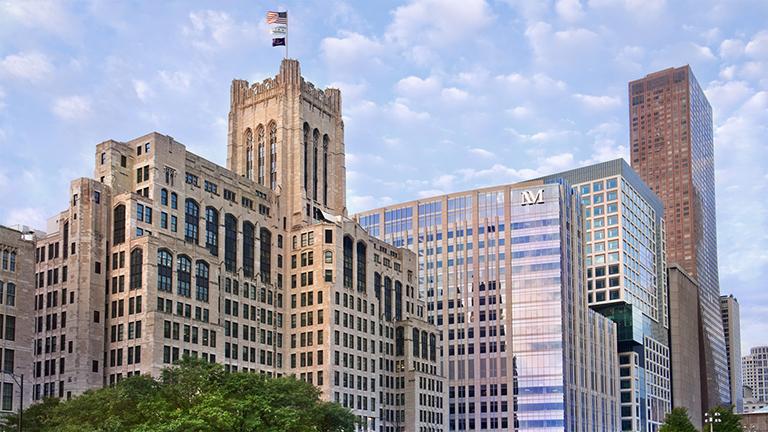
Northwestern Medicine is seeking 5,000 people who are at risk of exposure to the coronavirus and are interested in participating in vaccine studies to join its newly launched COVID Prevention Trials Registry.
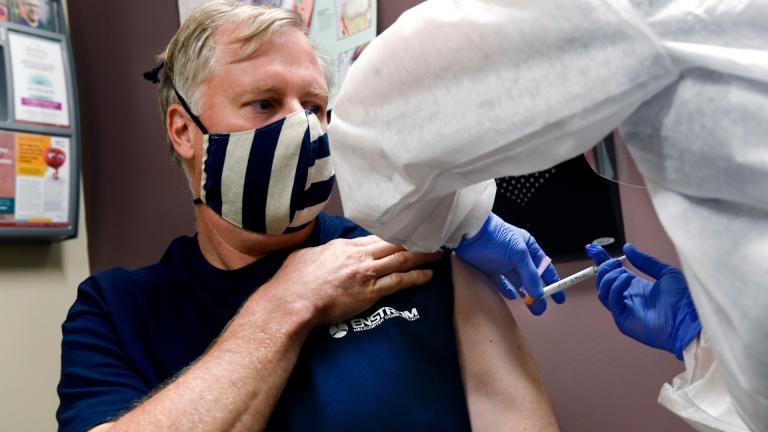
The biggest test yet of an experimental COVID-19 vaccine got underway Monday with the first of some 30,000 Americans rolling up their sleeves to receive shots created by the U.S. government as part of the all-out global race to stop the pandemic.
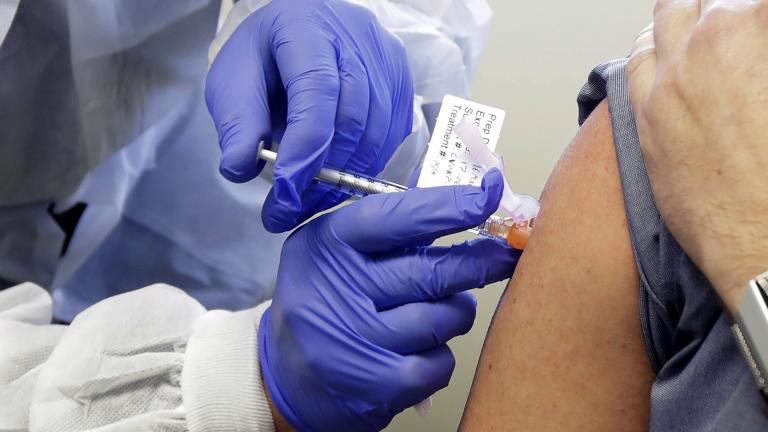
Western governments on Thursday accused hackers believed to be part of Russian intelligence of trying to steal valuable private information about a coronavirus vaccine, calling out the Kremlin in an unusually detailed public warning to scientists and medical companies.
The first COVID-19 vaccine tested in the U.S. revved up people’s immune systems just the way scientists had hoped, researchers reported Tuesday -- as the shots are poised to begin key final testing.
Trending
2026 Chicago Festival Guide
CPD Sergeant Who Led Botched Raid at Home of Anjanette Young Now Working as a Suburban Police Detective

Woman Charged With Fatally Stabbing 7-Year-Old Girl Walking in Chicago Saturday
Key City Panel Unanimously Agrees to Pay $260.8M to Resolve 16 Lawsuits Tied to Disgraced Ex-CPD Detective Reynaldo Guevara
Marimar Martinez Hopes New Lawsuit Could Spur Criminal Charges 1 Year After Border Patrol Agent Shot Her
Sign up for the WTTW News newsletter