

Consent Decree
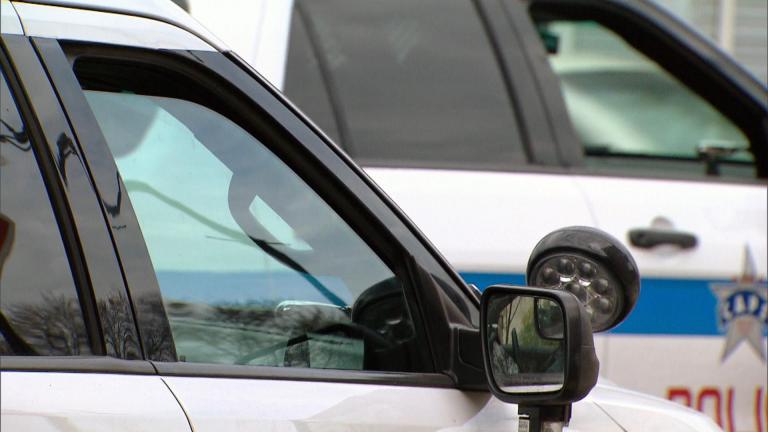

The study, conducted by social scientists from the University of Texas at San Antonio and the University of Pennsylvania blamed “systemic factors” for the disparity, not the actions of individual officers.
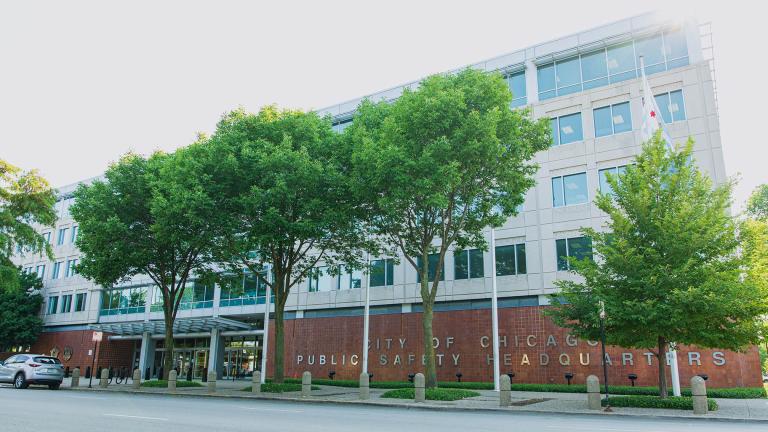
The study, which examined whether officers are efficiently and effectively deployed across the city to stop crime and respond to calls for help, found “inconsistent service levels, constrained proactive time, and limited supervisory capacity in high-demand areas.”
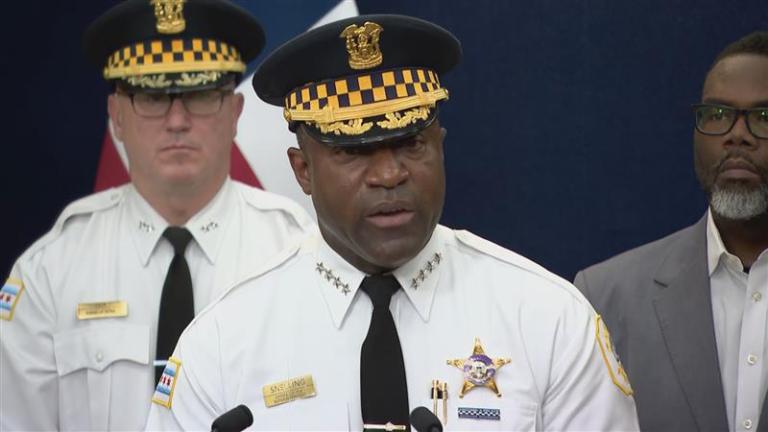
“When it comes to the Chicago Police Department, there’s always going to be this trust factor,” Chicago Police Supt. Larry Snelling said.

The number of times officers pointed their guns at individuals increased 44% between 2022 and 2024, according to one of the goals unanimously set for Snelling to achieve in 2026.
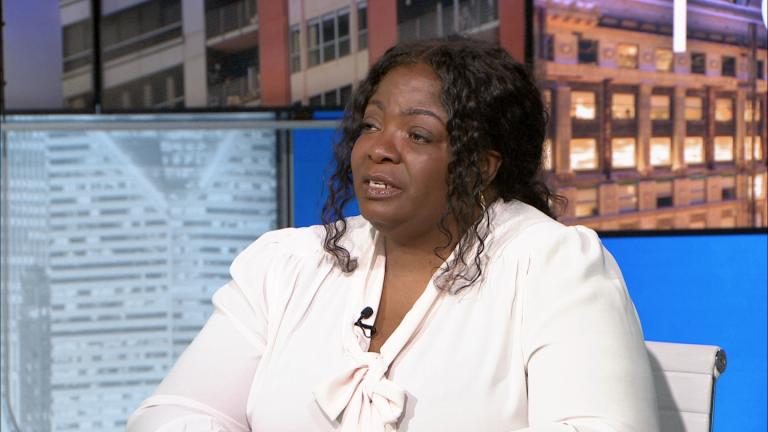
A new Chicago Police Department policy that does not ban officers from serving no-knock warrants or from pointing guns at children during raids is now final.
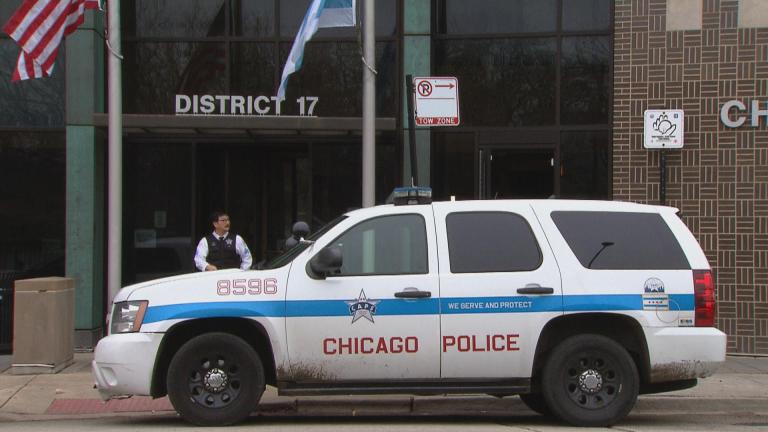
The Chicago Police Department must work faster to complete internal affairs investigations, Supt. Larry Snelling told a federal judge.

The report published by the Chicago Police Department acknowledges that the number of times officers used force against members of the public “continues to trend upward.”
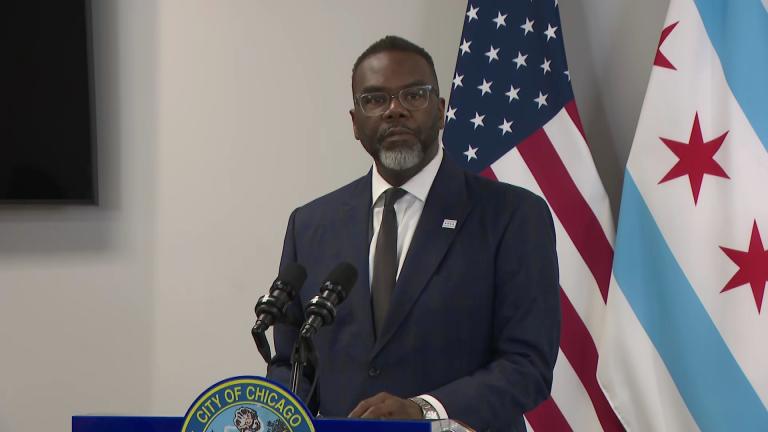
“We have to revisit our promotion policy,” Mayor Brandon Johnson said. “We don’t want these types of archaic approaches to set us back. So, it is something that we are looking into.”
Of 439 positions in the Chicago Police Department charged with implementing the consent decree, 179 positions were empty at the beginning of December, according to a Freedom of Information Act request filed by WTTW News.
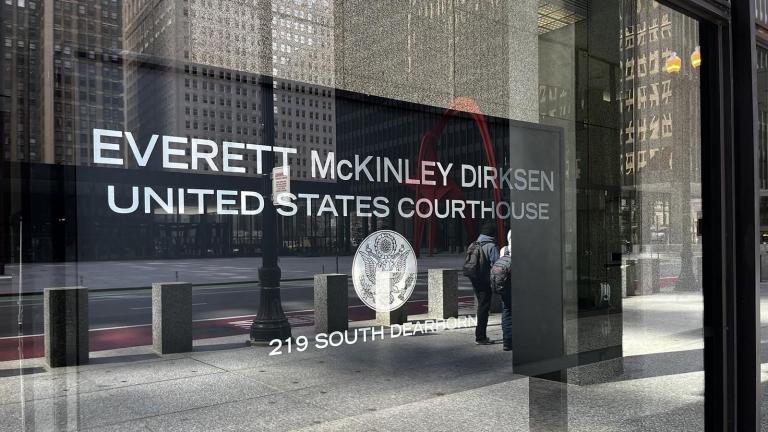
However, U.S. District Court Judge Rebecca Pallmeyer ruled that officers must have their cameras on if a deputy chief asks them to answer additional questions about the shooting.
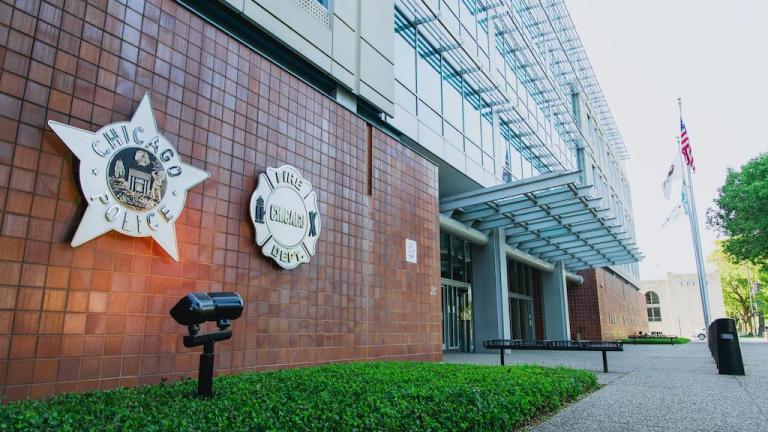
The Office of the Attorney General told U.S. District Court Judge Rebecca Pallmeyer that immediate steps must be taken to ensure the push to reform the Chicago Police Department results in meaningful change in the lives of ordinary Chicagoans.
Required by the terms of the consent decree, the federal court order designed to compel CPD to change the way it trains, supervises and disciplines officers, the study is on track to be completed on time, by the end of the year, Chicago Police Supt. Larry Snelling said.
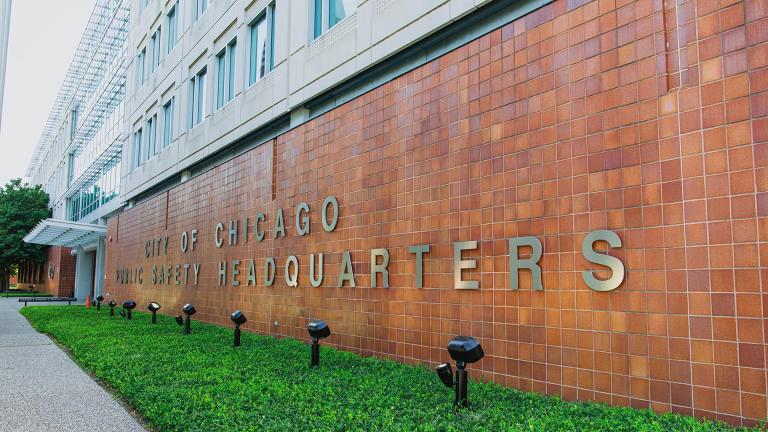
The jump of six percentage points in the level of full compliance with the consent decree reached between Jan. 1 and June 30 is the second largest increase in the six and a half years that the federal court order has been in effect.

While the number of officers carrying the gun “decreases daily,” CPD officials told the judge there is no firm timetable for all CPD officers to stop carrying the gun because of delays obtaining a new CPD-approved weapon or holster.
U.S. District Judge Rebecca Pallmeyer said officers who have an alternative service weapon that “meets appropriate standards should be required immediately to use that alternative weapon.”
“CPD has failed to rein in its culture of brutality and abuse,” according to the coalition of police reform groups that forced the city to agree to federal court oversight. “The department is moving in the wrong direction.”
Trending
2026 Chicago Festival Guide

CPD Officer Who Fired 3 Shots at Suspected Carjacker on 606 Trail Faces Firing: Records

Interim NITA Director Earning $350K Salary While Also Collecting $213K Annual City Pension, Records Show

Firm Set to Buy Chicago’s Parking Meters Sells Airline That Carried Out Deportations

Chicago Woman Accused of Social Security Fraud After Hiding Mother’s Body in Freezer for 2 Years

Sign up for the WTTW News newsletter