

Science & Nature

The new year kicks off with snow blanketing the Chicago area, creating a messy commute for drivers and airport cancellations. We have the latest details from WGN's Chief Meteorologist Tom Skilling. Submit your snow photos here and we will use them in our online slideshow!


Science catches up with science fiction as we revisit a conversation with Professor John Rogers, the inventor of epidermal electronics -- tiny, bendy computer chips that can be placed on or in the human body to monitor critical health data. Watch web extra videos.

Gov. Pat Quinn joins famed Apollo 8 astronaut Jim Lovell to celebrate a very special anniversary. Paris Schutz has the story. Watch a web extra conversation with Lovell from our archives.

Dinosaur Discovery
On this edition of Chicago Tonight’s Field Trip, we take a look at the dinosaur that was king before the T-Rex. Watch the web episode and view a slideshow.

Emily Graslie, creator of the “The Brain Scoop” YouTube channel, talks about her recent video addressing sexist comments and the lack of women in the science industry. Watch the video.

We talk with the man recently hired to turn the city’s high-tech incubator known as 1871 into a major technology hub.
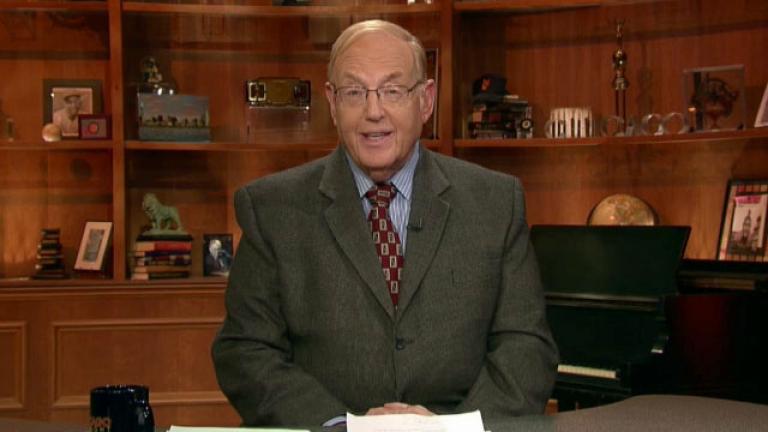
Joel Weisman and his panel of journalists take on weather reporting in Chicago. Does local media over-hype the weather? Watch the web extra video.
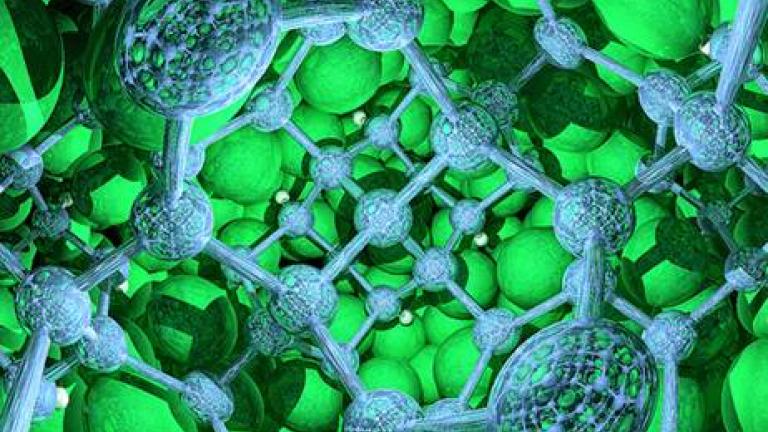
The field of nanoscience -- the science of the very small -- is exploding and is likely to profoundly shape our future, impacting everything from energy production and storage to cutting edge, designer medicines. Here to help us separate the science from the science fiction is Dr. Amanda Petford-Long, director of the Nanoscience and Technology Division and the Center for Nanoscale Materials at Argonne National Laboratory.
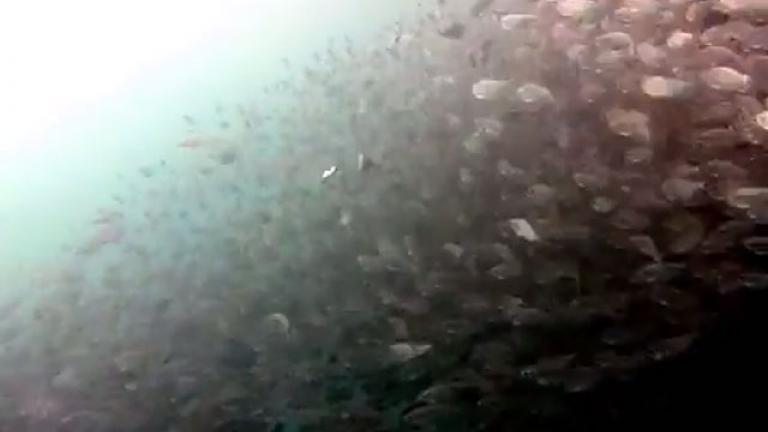
Two Shedd Aquarium Great Lakes researchers found a huge school of fish underneath Chicago's harbors last week. The fish are gizzard shad, a type of herring and major schooling or forage fish, often seen in large groups. Read an article and watch a video.
Lasers, Robotic Fish & Big Bang Afterglow
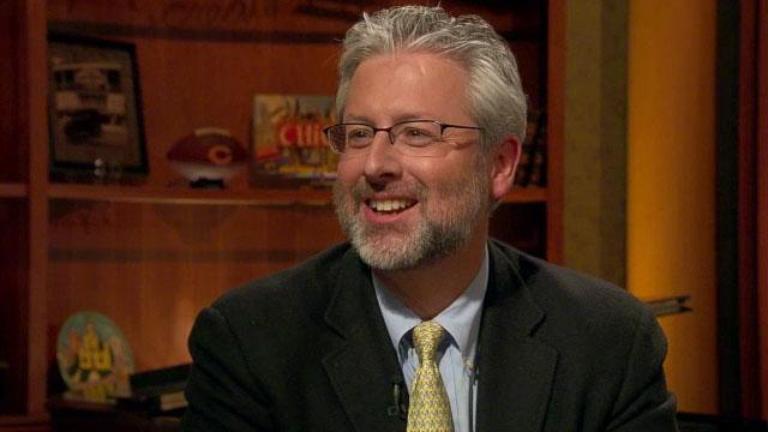
What is a robotic razor fish teaching scientists about building better robots? Why are Argonne scientists going down to the South Pole? And how can a tiny laser boost high-speed data transmission? Our science guy, Neil Shubin, has those stories and more research news in this edition of Scientific Chicago. Read an article.

In the wake of disclosures by former National Security Agency analyst Edward Snowden of massive and pervasive government surveillance, we talk with two cybersecurity experts.
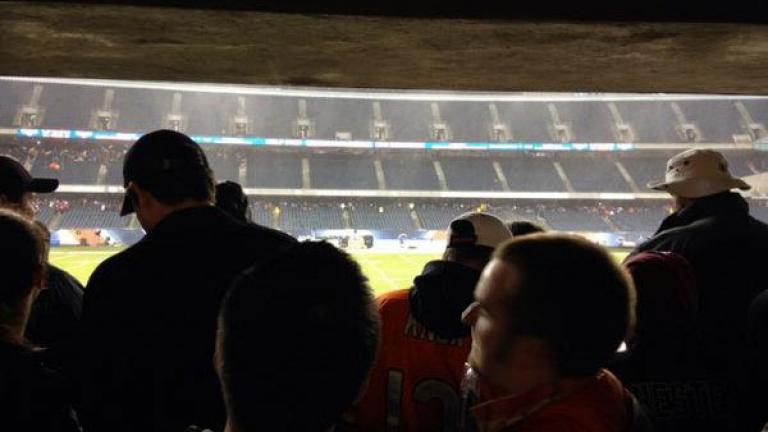
How much damage was done in Sunday's storm and will there be federal emergency relief? Paris Schutz has the latest. Upload your severe weather photos.
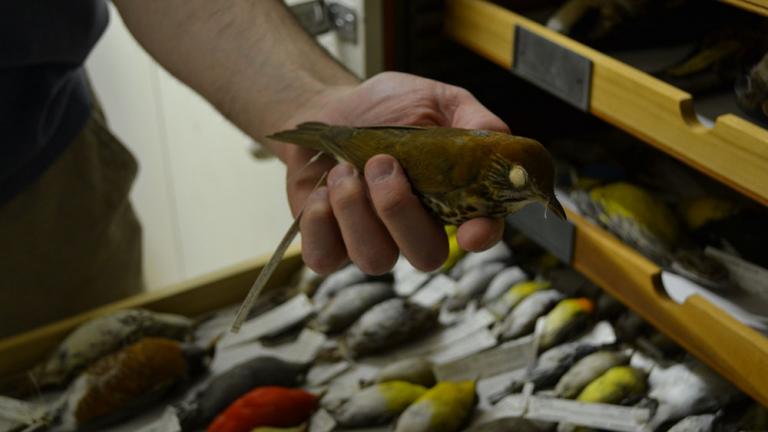
Ruffling Some Feathers
This edition of Chicago Tonight's Field Trip is for the birds. We discover parasites that live on winged creatures and how studying them can help humans. Watch the web extra video and view a slideshow.
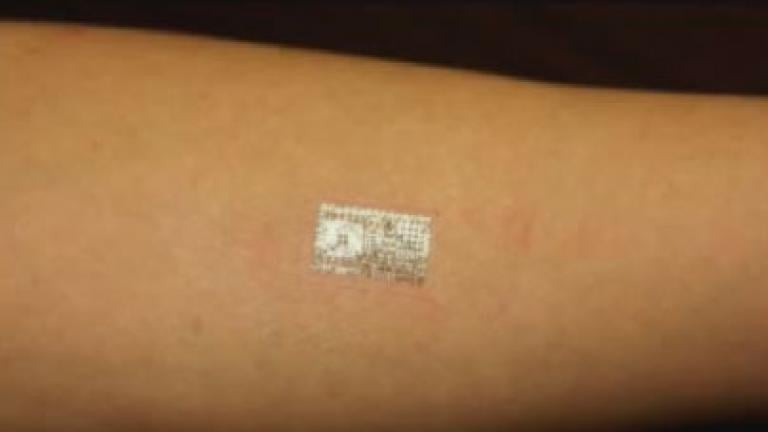
Science catches up with science fiction as we talk to Professor John Rogers, the inventor of epidermal electronics -- tiny, bendy computer chips that can be placed on or in the human body to monitor critical health data. Watch web extra videos.
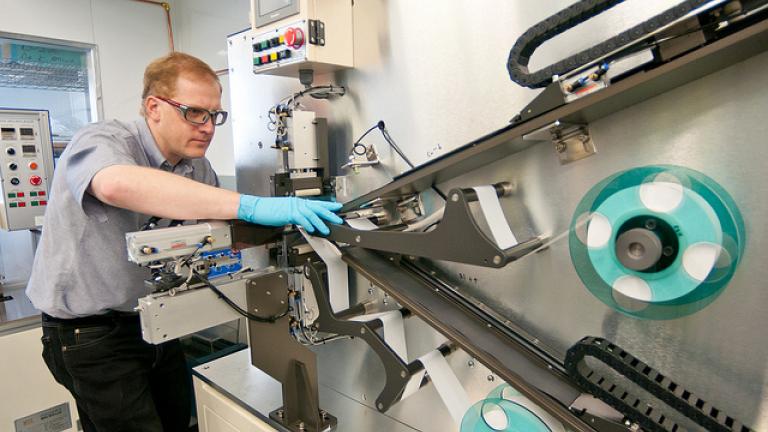
Professor George Crabtree of Argonne National Laboratory discusses the quest to build a better battery and America’s energy future.
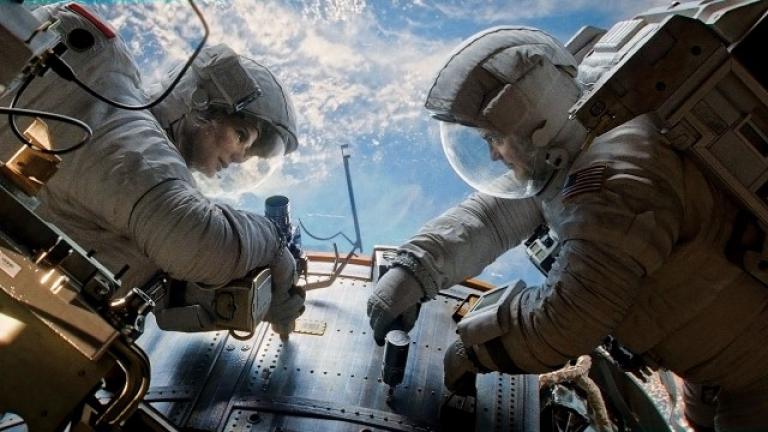
The movie Gravity, starring George Clooney and Sandra Bullock, has become a runaway box office hit and critical success. And while it’s been hailed for its groundbreaking technical accomplishments, how realistic is it? We hear from some Adler Planetarium astronomers about what they thought of the scientific aspects of the film. Read an Q & A.
Trending
Developers Unveil $10B Proposal for New Bears Stadium, Entertainment District at Former Michael Reese Site

11 of the Chicago Area’s Most Dazzling Holiday Light Shows

Here Are the 17 Men Chicago Will Pay $260.8M After Being Convicted Following Investigations by Ex-CPD Detective Reynaldo Guevara

UChicago’s Banned Books Scholar on the Chilling Effect of Censorship Efforts Across the US

Illinois Hemp Act Set to Ban Some THC Drinks Amid Pushback From Business Owners
Sign up for the WTTW News newsletter