Science & Nature
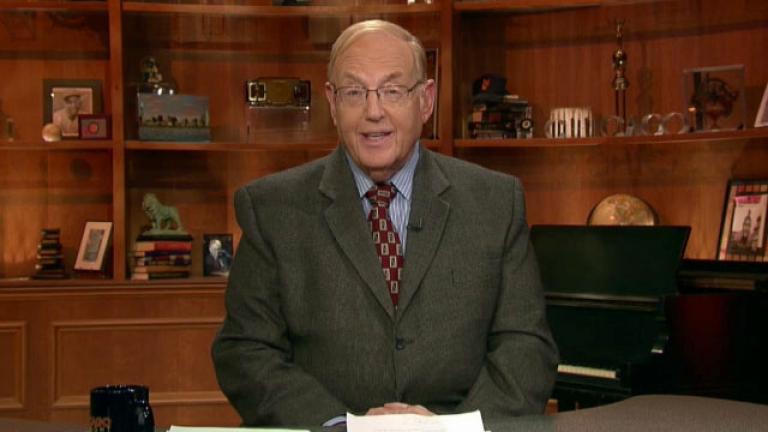

Joel Weisman and his panel of journalists take on weather reporting in Chicago. Does local media over-hype the weather? Watch the web extra video.
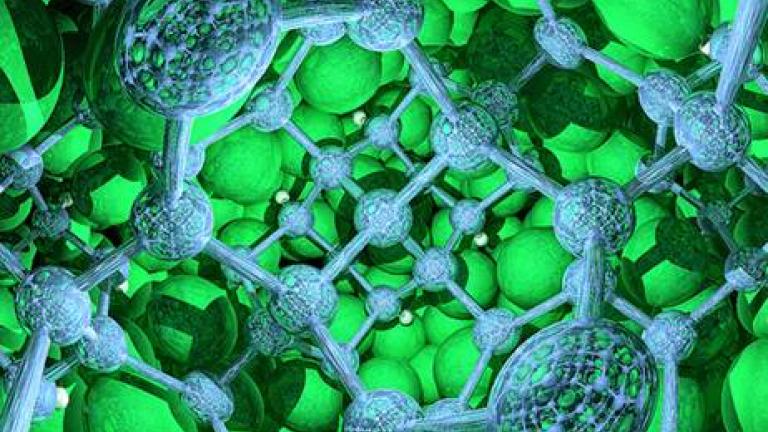
The field of nanoscience -- the science of the very small -- is exploding and is likely to profoundly shape our future, impacting everything from energy production and storage to cutting edge, designer medicines. Here to help us separate the science from the science fiction is Dr. Amanda Petford-Long, director of the Nanoscience and Technology Division and the Center for Nanoscale Materials at Argonne National Laboratory.
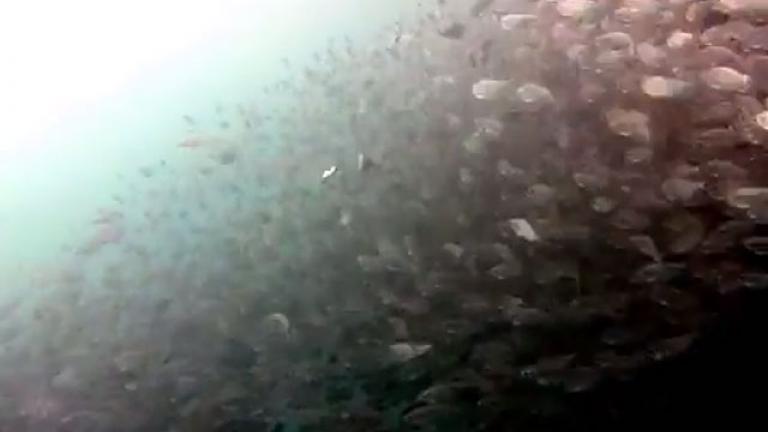
Two Shedd Aquarium Great Lakes researchers found a huge school of fish underneath Chicago's harbors last week. The fish are gizzard shad, a type of herring and major schooling or forage fish, often seen in large groups. Read an article and watch a video.

Lasers, Robotic Fish & Big Bang Afterglow
What is a robotic razor fish teaching scientists about building better robots? Why are Argonne scientists going down to the South Pole? And how can a tiny laser boost high-speed data transmission? Our science guy, Neil Shubin, has those stories and more research news in this edition of Scientific Chicago. Read an article.

In the wake of disclosures by former National Security Agency analyst Edward Snowden of massive and pervasive government surveillance, we talk with two cybersecurity experts.

How much damage was done in Sunday's storm and will there be federal emergency relief? Paris Schutz has the latest. Upload your severe weather photos.
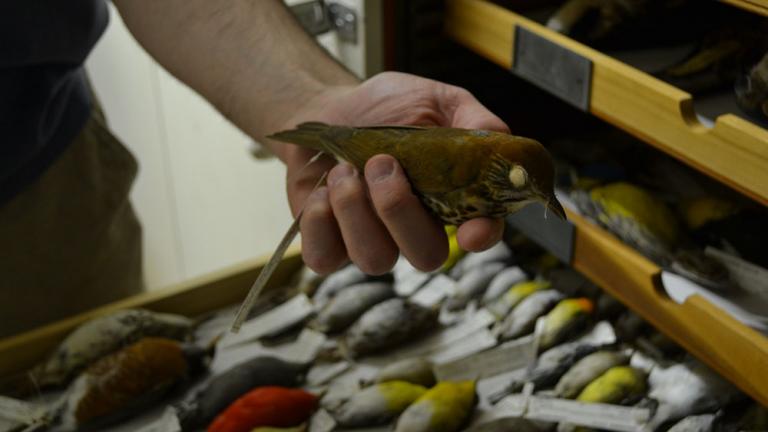
Ruffling Some Feathers
This edition of Chicago Tonight's Field Trip is for the birds. We discover parasites that live on winged creatures and how studying them can help humans. Watch the web extra video and view a slideshow.
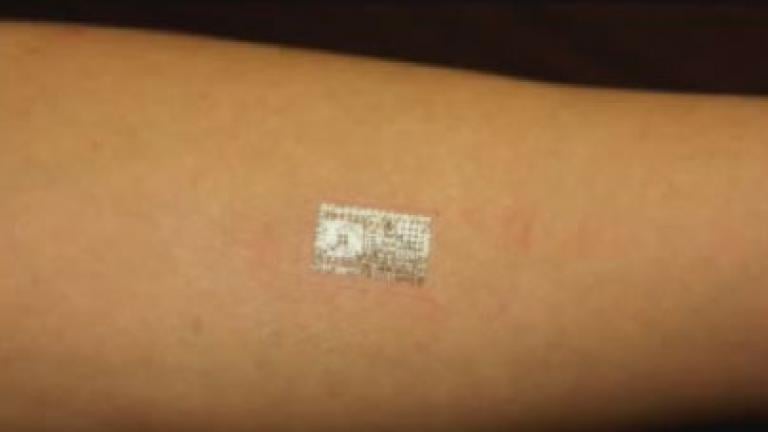
Science catches up with science fiction as we talk to Professor John Rogers, the inventor of epidermal electronics -- tiny, bendy computer chips that can be placed on or in the human body to monitor critical health data. Watch web extra videos.
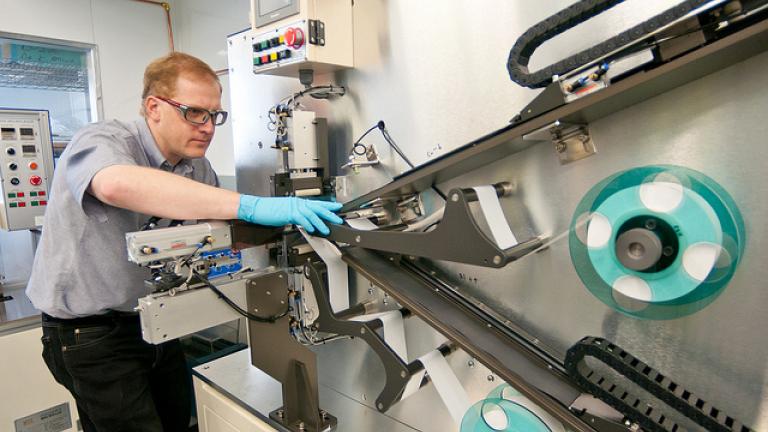
Professor George Crabtree of Argonne National Laboratory discusses the quest to build a better battery and America’s energy future.
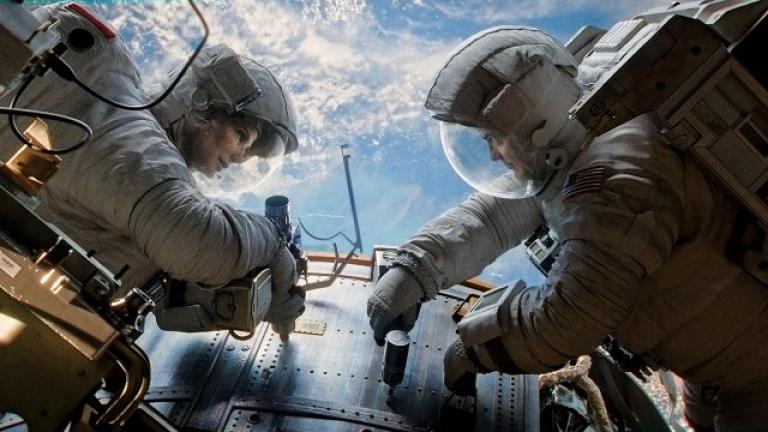
The movie Gravity, starring George Clooney and Sandra Bullock, has become a runaway box office hit and critical success. And while it’s been hailed for its groundbreaking technical accomplishments, how realistic is it? We hear from some Adler Planetarium astronomers about what they thought of the scientific aspects of the film. Read an Q & A.
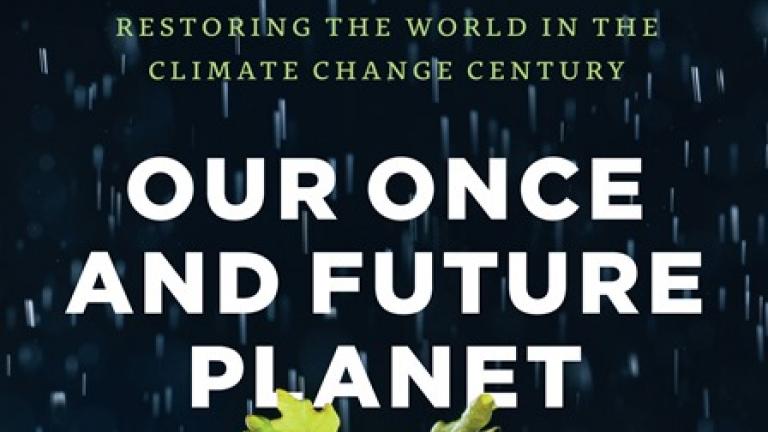
Paddy Woodworth is an Irish journalist who has traveled the globe looking at ecological restoration projects, including right here in Chicago. He joins us to discuss his new book, Our Once and Future Planet: Restoring the World in the Climate Change Century. Read an excerpt.
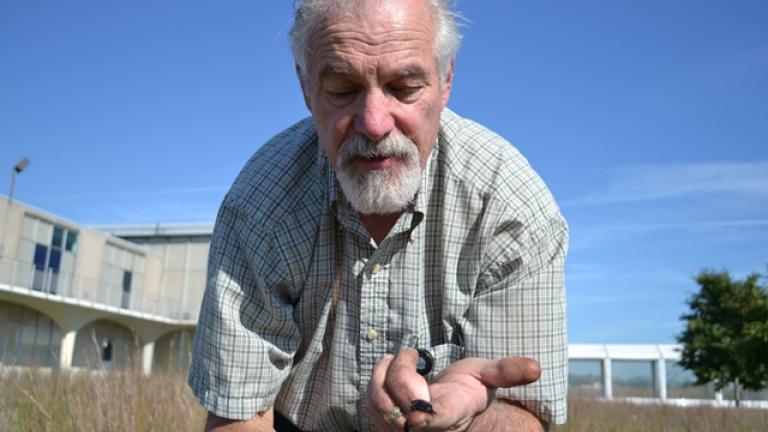
Bugs in Illinois
On this edition of Chicago Tonight's Field Trip, Jim Louderman, a researcher from The Field Museum, takes us to Northerly Island to collect a sample of bugs. Watch episode 3 of our web series.

It’s the world’s most powerful digital camera and it sits atop the Blanco telescope in the Andes Mountains of Chile. But it was constructed on the campus of Fermilab in far west suburban Batavia. The Dark Energy Camera officially began its work on August 31 and has already captured some amazing images of outer space. Its real mission, though, is to help scientists figure out if so-called Dark Energy is responsible for the universe’s accelerating expansion. We learn how the camera is helping scientists unravel one of the greatest mysteries in the cosmos. Watch videos and view a slideshow.
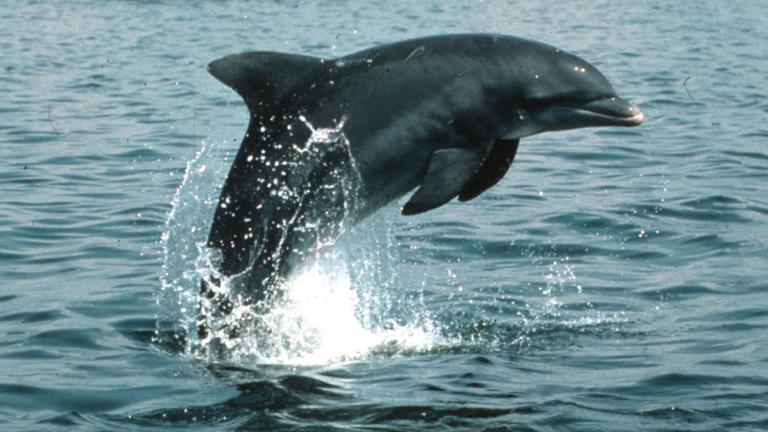
Randall Wells, one of the world’s leading dolphin researchers, joins us to discuss the longest-running study of a wild dolphin population and his commitment to conservation. Read an interview and view a slideshow.
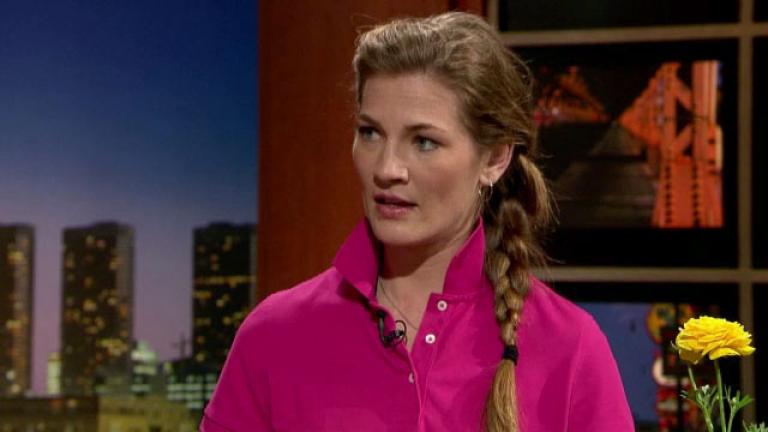
With the temperature dropping, it’s time to take care of your garden and do some fall planting. Chicago Botanic Garden’s Eliza Fournier has some great tips about dividing perennials, taking care of your lawn, and finding the right plants for your fall containers. Read fall gardening tips.
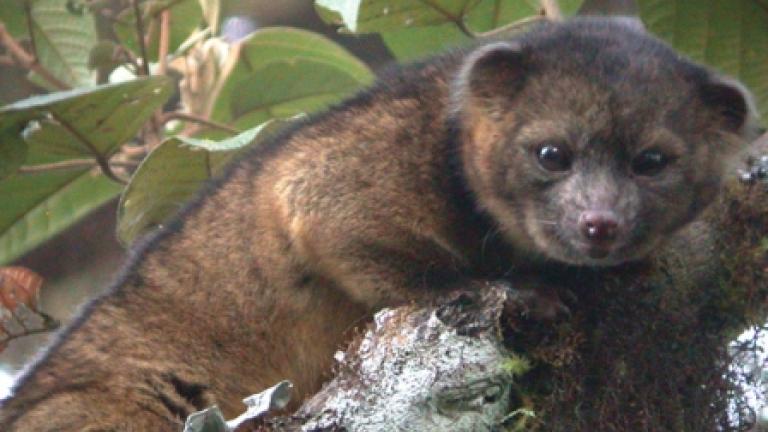
A new carnivorous mammal is now on display at The Field Museum. Described as a cross between a cat and a teddy bear, the Olinguito was part of the museum's collection for decades. Bill Stanley, the Field's mammals collections manager, brings the specimen to our studios. Watch Emily Graslie's "The Brain Scoop" video about the Olinguito.
Trending
Chicago Police Board Votes to Fire Officer Who Tested Positive for Marijuana

City Council Votes 30-18 to Approve Final Part of 2026 Budget. Will Mayor Veto It?

City Council Votes 29-19 to Approve Rival Spending Plan, Rebuking Mayor Johnson
Feds Reject CTA’s Revised Safety Plan, Threaten to Withhold Millions in Transit Funding

Push for Chicago Teen Curfew to Control Large Gatherings Faces Uncertain Future

Sign up for the WTTW News newsletter