Health
Chicagoans Seeing Increases in Mosquito, Tick Bites Amid Summer Storms
For many Chicagoans, this summer has been a lot itchier than usual.
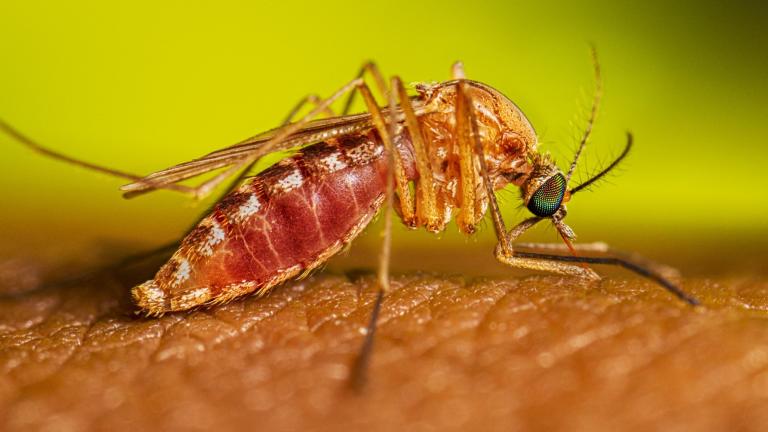
A growing population of invasive Asian tiger mosquitoes is leaving millions of people with itchy, painful bites. And severe summer storms have created more standing water, which is where mosquitos breed.
The Asian tiger mosquito bites during the day and can ingest multiple blood meals, meaning these flying nuisances are able to bite more often than the mosquitoes we’re used to.
Aside from some bad itching, mosquito bites can pose health risks. Last week, the Cook County Department of Public Health reported the first four cases of West Nile virus this season in suburban Cook County.
“Symptoms can be very mild to non-existent, but in rare cases you can get what’s called neuroinvasive West Nile disease,” said Dr. Kiran Joshi, chief operating officer of the CCDPH. “That can result in people getting really sick, needing to be admitted to the ICU, be put in a breathing machine, and in rare cases, even death. So, it’s all the more reason to pay attention to all the common sense prevention measures.”
Two of the cases reported last week are neuroinvasive, Joshi said.
Ticks are also seeing record-high activity nationwide. According to the Centers for Disease Control and Prevention, August had the highest rate of tick bite-related emergency room visits since the agency started tracking in 2017.
Ticks most commonly carry Lyme disease and alpha-gal syndrome, an illness that causes a red meat allergy.
“The tick needs to be attached for 36 hours in order to pass along the bacteria,” Joshi said. “So really important to do tick checks if you’ve been out and about, if you’ve been hiking, if you’ve been in areas where there’s tall grass.”
Symptoms can show up within a few days to a few weeks. Possible symptoms include fatigue, rash, heart impacts and death.
Joshi said anyone who thinks they may have been bitten by a tick should speak with their primary care provider right away.
If you find yourself covered in bites, over-the-counter steroid creams can help. You can also distract nearby nerves by rubbing two fingers above the bite.
Mosquitoes and ticks are most often found in urban and forested areas or near water as wet, shaded areas are the best places for them to reproduce.
“It’s a lot of containers in people’s yards,” said Kristina Lopez, a research entomologist at the North Shore Mosquito Abatement District. “So that could be tires, that could be plant saucers, gutters that haven’t been cleaned out, children’s toys that are holding water. Anything that can potentially hold water in your backyard is probably breeding mosquitoes.”