

West Nile virus
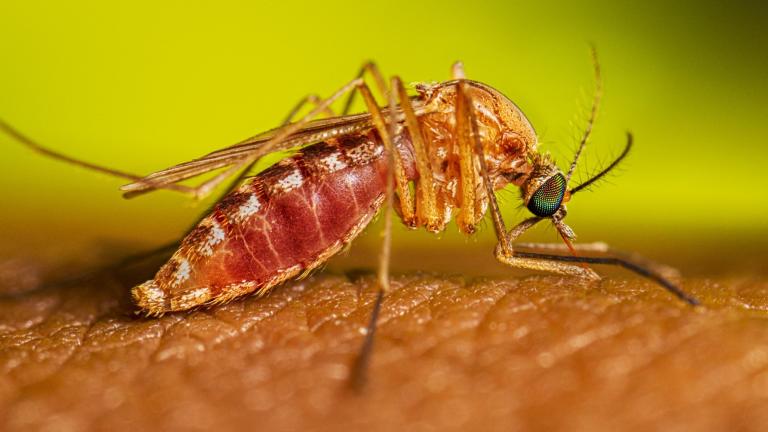
The first death from West Nile virus in Illinois this year was reported in Chicago, the Chicago Department of Public Health announced Tuesday. CDPH also reported the first two human cases of West Nile virus in the city.
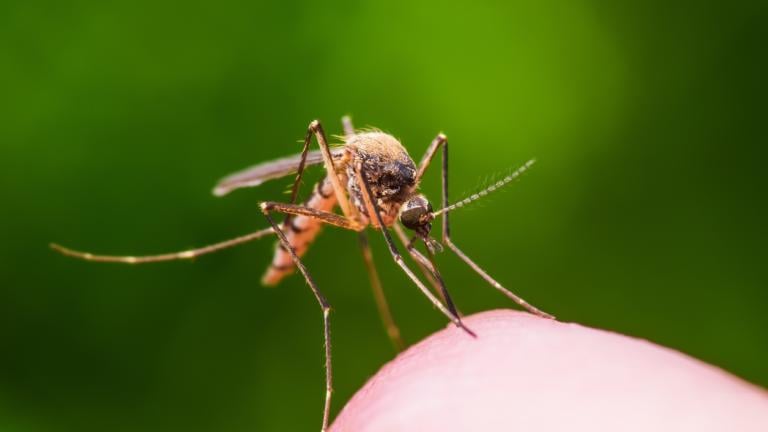

A growing population of invasive Asian tiger mosquitoes is leaving millions of people with itchy, painful bites. And severe summer storms have created more standing water, which is where mosquitos breed.
A suburban Cook County resident in their 60s has died from the West Nile virus, the Cook County Department of Public Health confirmed Wednesday. The risk of West Nile virus in suburban Cook County remains high, according to the public health agency.
The patients range from 40 to 80 years old and reside on the Northwest and South sides. The patients’ symptoms began in late July or early August, according to the Chicago Department of Public Health.
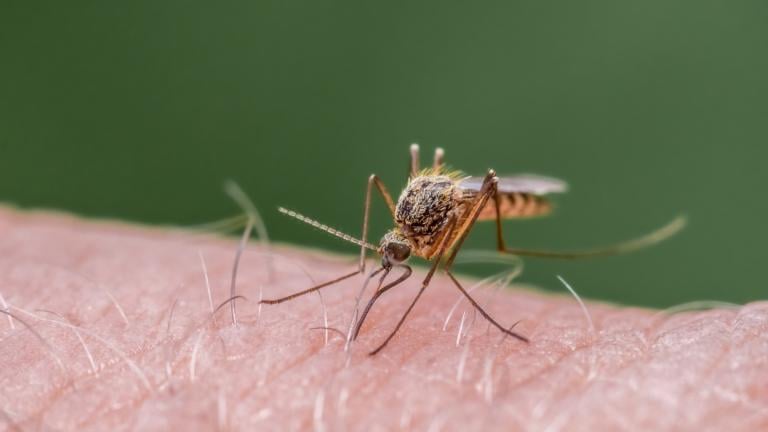
Human cases of the West Nile virus, spread by a bite from an infected mosquito, is typically at its highest in August and September, according to Rebecca Lee Smith, associate professor of epidemiology at the University of Illinois Urbana-Champaign.
Of the 12 total cases of West Nile virus the state health department has seen so far this year, seven of those cases were reported in Cook County, including two in Chicago.
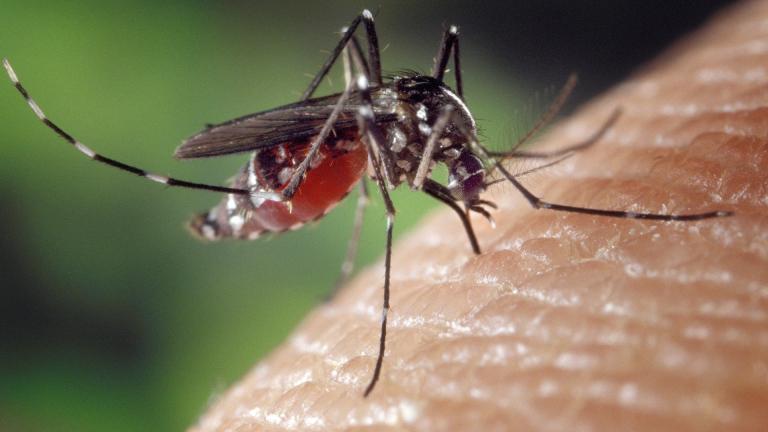
“Although we are already into fall, we are expecting a warm weekend and West Nile virus remains a risk until the first hard frost,” Illinois Department of Public Health Director Dr. Ngozi Ezike said in a statement.
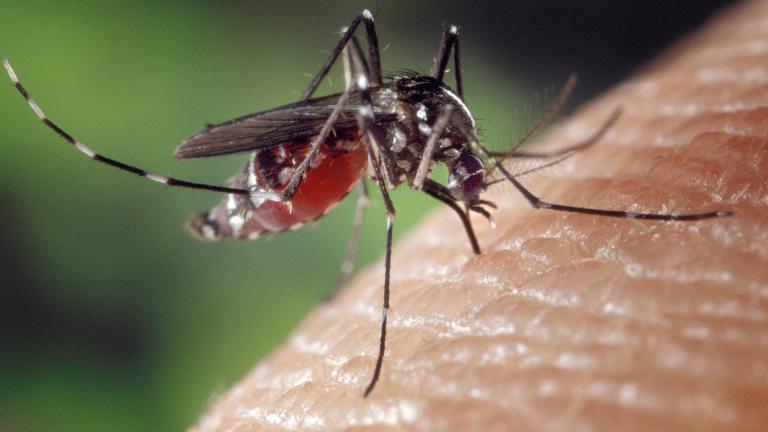
Portions of Albany Park, Lincoln Square, Irving Park and North Center are slated for mosquito spraying Wednesday to protect residents against West Nile virus, according to the Chicago Department of Public Health.
A Cook County man in his 80s who became ill in mid-June is the first person known to have contracted the West Nile virus in Illinois this year, according to state health officials.
The infected mosquitoes were found in the O’Hare and Beverly community areas, according to the Chicago Department of Public Health.
Chicago has reported its first cases of West Nile virus this year. Earlier this month, a DuPage County woman became the first known person in Illinois to contract the virus, which is transmitted through mosquito bites.
With people spending more time outdoors to prevent the spread of COVID-19, the state’s top doctor is urging people to protect themselves from the mosquito-borne West Nile virus.
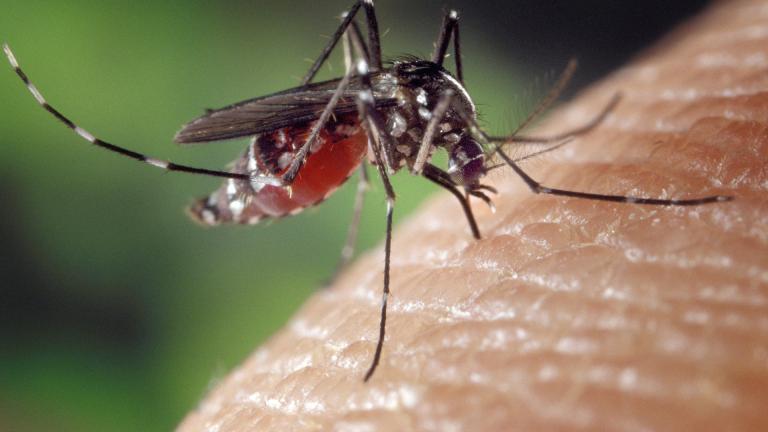
Heavy rains and record flooding in the Chicago area hatch a big concern: mosquitoes. With standing water as a breeding ground, more mosquitoes could be on the way.
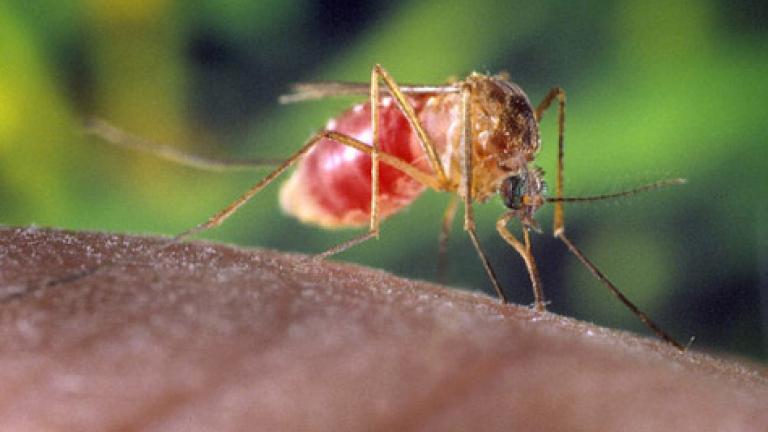
We find out what the city is doing to fight the spread of mosquitoes carrying the West Nile virus.
Trending
Pair of Chicago Elementary Schools Named Top in Illinois in New U.S. News Rankings

Mother-Son Reunions Among Latest Milestones for Shedd’s Rescued Belugas

Migration Mass Casualty With At Least 1,000 Birds Injured or Killed This Weekend in Chicago and on Northwestern’s Campus

Early Voting for November General Election Expands in Chicago, Suburban Cook County

Giannoulias, Quigley, Wilson — But Not Johnson — Among First to File Signatures Ahead of Chicago’s February Mayoral Election

Sign up for the WTTW News newsletter