Education
CPS Set to Expand Whole School Safety Model Citywide
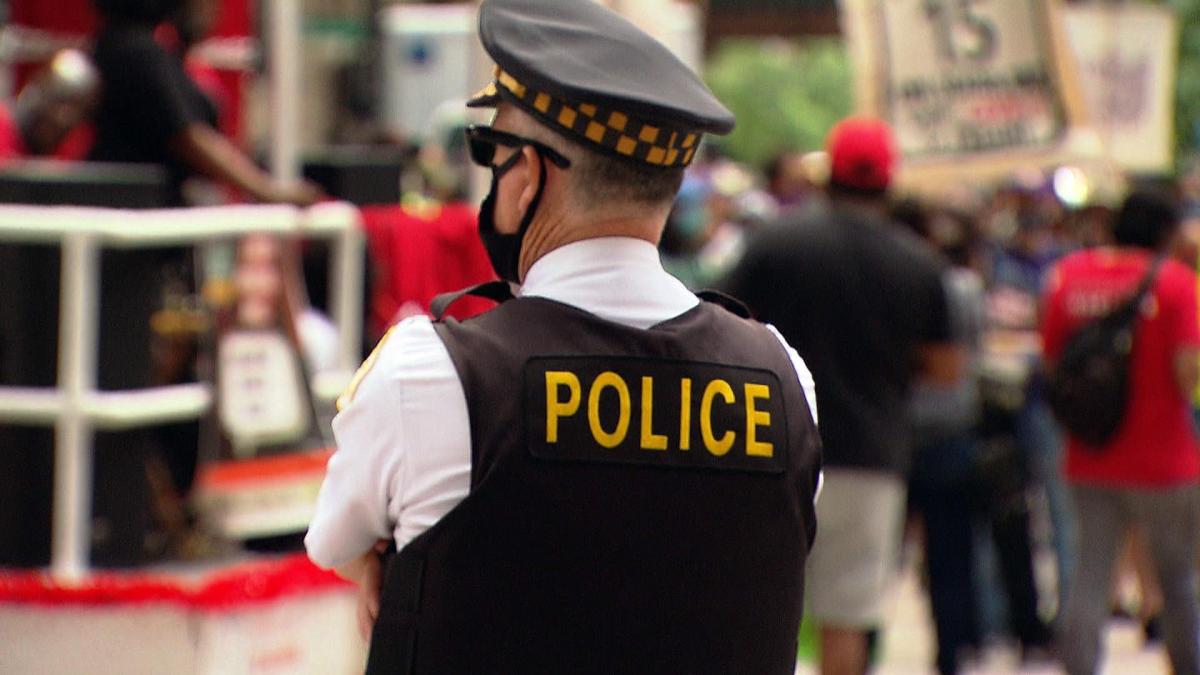 Demonstrators march in Chicago on Wednesday, June 24, 2020, to show their support for removing police officers from schools. (WTTW News)
Chicago Public Schools principals and staff this week will begin training as the district is set to implement its holistic safety plan citywide — more than two years after police officers were removed from district campuses.
CPS and its partner organizations last week published a new implementation guide for the Whole School Safety plan as the district this year is set to implement that model across all schools citywide.
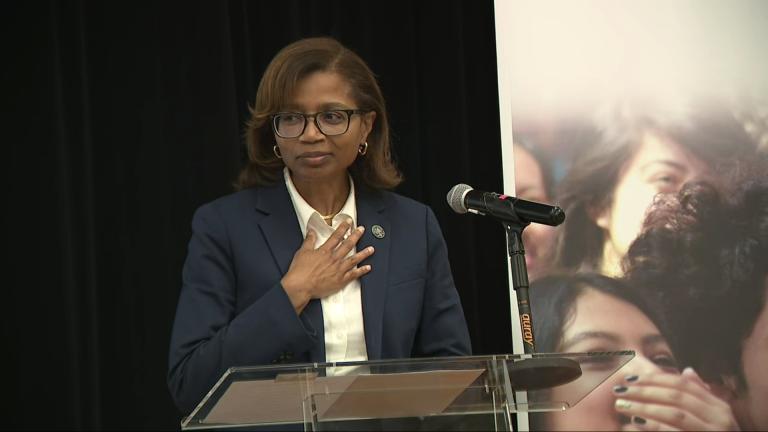
“Our goal is for every school to create a Whole School Safety Plan that promotes safety through policies and practices supporting the physical, behavioral, and social-emotional well-being of all students,” CPS Chief of Safety and Security Ronan Shableski said in a statement.
Chicago’s Board of Education voted in July 2024 to officially remove all resource officers from the city’s schools following a student-led push in 2020 from teens who believed the presence of police in schools had a disproportionately negative impact on Black students and strengthened the school-to-prison pipeline.
That same year, CPS launched a steering committee comprised of district officials, students, parents and community-based organizations, which led to the development of the Whole School Safety plan.
The Whole School Safety model seeks to develop a culture of safety that gives students access to trauma-informed care, restorative justice, emotional support and trusted relationships to protect and nurture their overall well-being.
Already, that framework has been implemented in 275 schools.
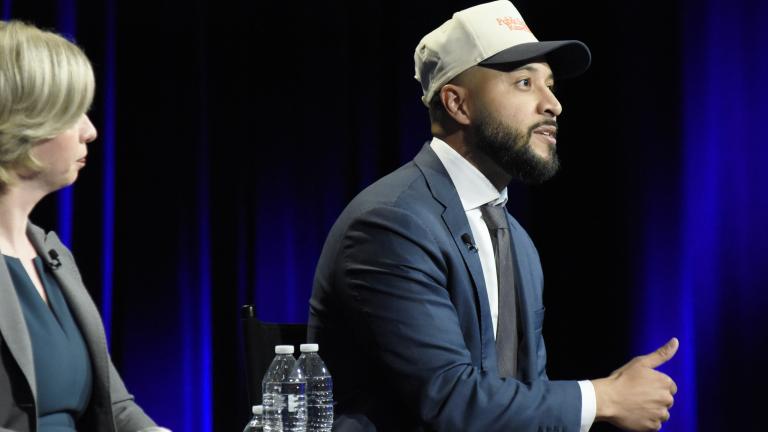
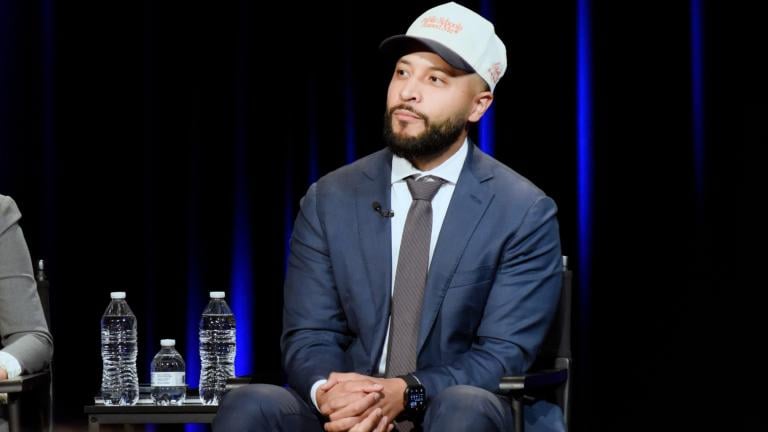
“Young people support Whole School Safety because real safety in schools means being heard, valued and connected,” Romiya Simone, of Voices of Youth in Chicago Education, one of the partner organizations involved in the plan’s development, said in a statement. “We believe in Whole School Safety because every student deserves a school built on belonging, trust, opportunity, and both physical and mental well being.”
The University of Chicago’s Consortium on School Research and the Center for Childhood Resilience at Lurie Children’s Hospital found that removing police from schools did not lead to increased disciplinary issues, nor did it make students and staff feel less safe.
The consortium this year released a new study, which found the Whole School Safety plan could serve as a replicable model for school districts across the country.
The district’s new implementation guide walks school communities through a five-step process that includes establishing a local Whole School Safety committee, evaluating holistic needs and developing a school-specific safety plan.
Those plans will then be presented to the school’s Local School Council for feedback and approval.
CPS and its partner organizations plan to hold training and community engagement opportunities to help school communities enact the safety framework.
The school district’s Office of Network Supports is hosting a training conference for CPS principals and assistant principals Monday, while training for network chiefs and deputies will be held Wednesday.
“Safety is everyone’s responsibility,” Shableski said, “and this guide offers a framework for schools to develop responsive environments where students feel safe, supported, and ready to learn.”
WTTW News education reporting is supported, in part, by Press Forward Chicago.