Education
CPS Board Member-Elect Discusses Campaign, District Challenges, School Closures
Chicago’s first fully elected school board is taking shape, with just a few races still too close to call.
With 20 districts, and at least six new faces, the new board is sure to bring together a wide range of backgrounds and perspectives.
Members will face new challenges right off the bat — including a potential budget shortfall if state funding doesn’t come through, and the possible expiration of a school closure moratorium.
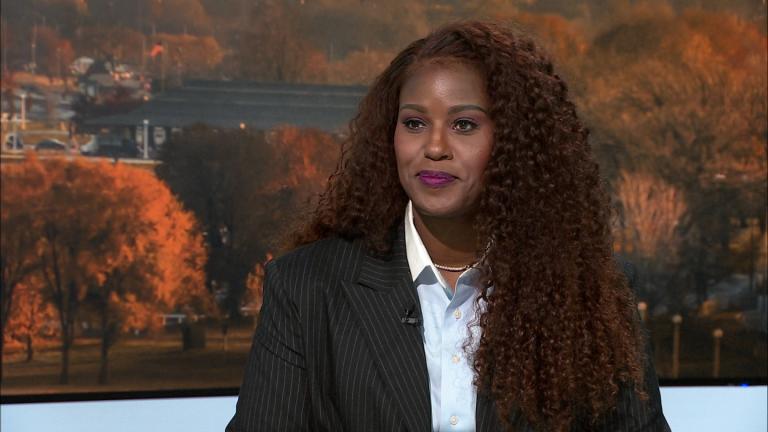
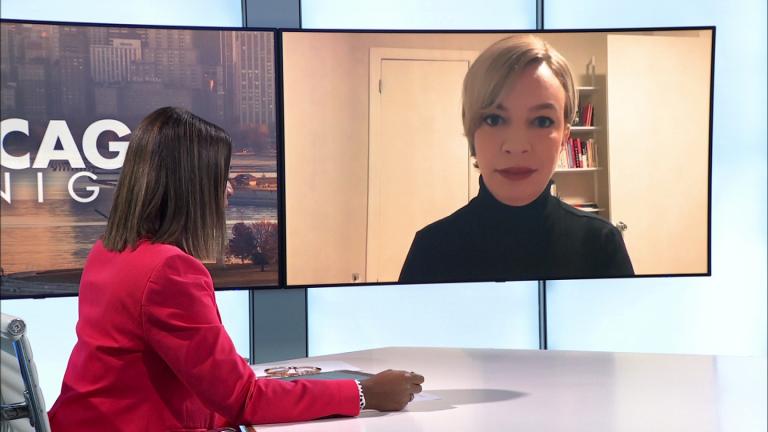
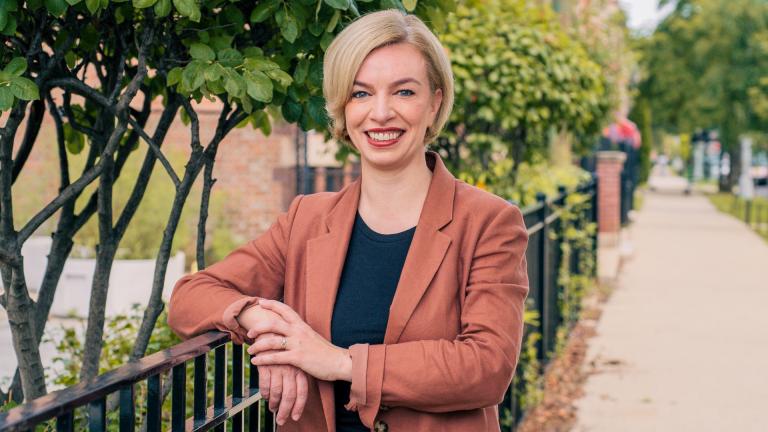
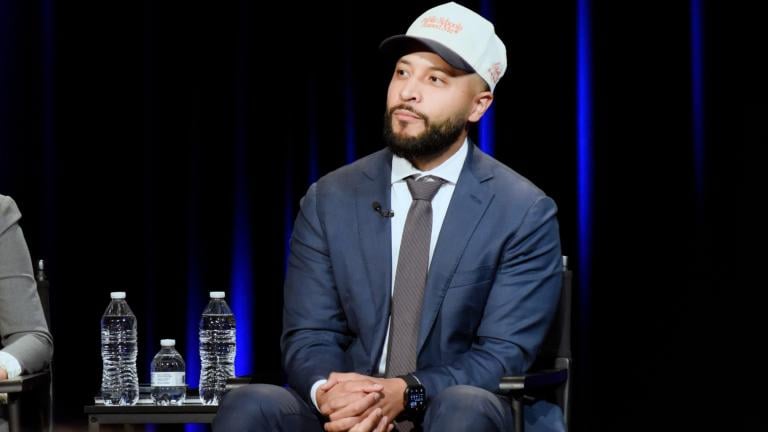
Chicago Board of Education member-elect Brittany Kimble (District 6B) joined “Chicago Tonight” to discuss her campaign, priorities for the board and the challenges her district faces. Kimble, a criminal defense attorney and Chicago Public Schools parent, defeated opponent Michael Neal with 62.8% of the vote, in the only district in which neither CTU nor SEIU made an endorsement.
Kimble will fill the seat left vacant by Jessica Biggs, who was elected president of the board. The district includes the Loop, Greater Grand Crossing, Englewood, Hyde Park and Woodlawn.
Excerpts from the conversation are below:
On challenges in Kimble’s district:
“We have some of the highest-achieving students, and some of the lowest. A unique issue for me is how to make sure that I’m centering both of them. Because I don’t want the highest-achieving to feel like they don’t have a representative. And absolutely the lowest-achieving students, they have to have a seat at the table and an advocate as well.”
“One of the biggest (needs) is teacher turnover. They have a teacher shortage, and you can’t have stability for the students if they don’t have a stable teacher.”
On money in the campaign:
“Trying to get your word across to 60,000 people is expensive. And so I think people in the organizations took that very seriously, and decided to spend money for who they thought would be a better candidate. I think that we are all adults at this point, and who has won, they won, and I think that we’ll all be able to come together for the students.”
“I honestly think that what (PAC spending) means is that this organization thought strongly about the candidate, that the candidate would be open-minded, … but personally I would say they wanted to invest in the candidate. Not necessarily that the candidate wanted to invest in the organization.”
On school closures:
“I think that the board should be considering possibly extending (the moratorium) for the simple fact that CPS has not come up with a plan. They knew that the moratorium would be lifted in 2027, and if they wanted to close schools they had enough time to come up with a plan. And because a plan has not been established — at least from what I have seen — then they should be considering extending it until we are able to address all things, and we can specifically say, ‘This will save CPS money.’ Just because you close a school doesn’t mean you will absolutely save money.”
“(Past school closures) impacted the communities because the buildings lie vacant, they’re eyesores. I also think that it impacts when we talk about school attendance, because now the students have to travel further to get to school. … If you make school harder to get to, students won’t go there.”
On CPS’ financial future:
“(The path to financial stability is) spending money that we have, and not assuming that we will get more, and budgeting for the money that we have. I think that we should be able to educate our children, 300,000 students, within the funds that we have.”
“For the children’s sake, and for everyone’s sake, I do hope the $150 million (in extra state funding) comes in, because now that seems like something that will be right on my lap Jan. 15.”