Politics
As State Approves 1st Video Gambling Licenses in Chicago, Mayor Asks City Council to Reverse Course
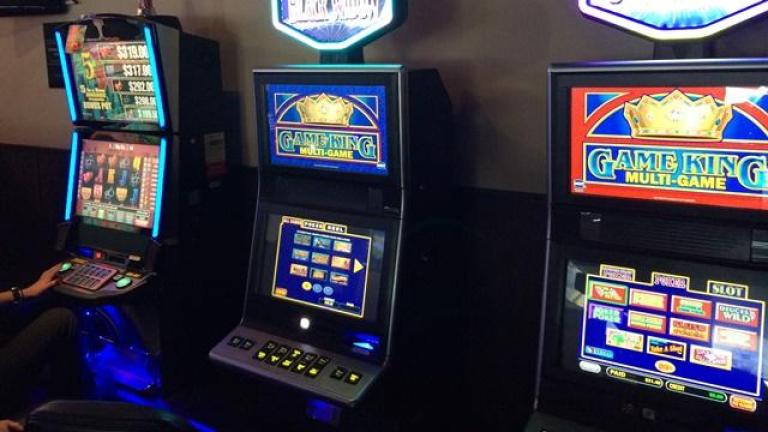
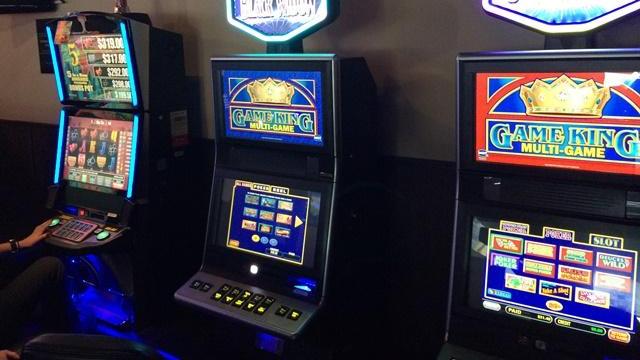 Video gambling machines are pictured in a file photo. (WTTW News)
State officials approved applications from six Chicago bars and restaurants on Thursday, the same day that Mayor Brandon Johnson asked the Chicago City Council to reverse its decision to green light video poker and slots across the city.
The Illinois Gaming Board agreed to allow video gambling in three Mount Greenwood taverns — Bar 106, Lawlor’s Bar and Hippo’s Bar — as well as Beverly’s Cork and Kerry, Half Sour in the Loop and brunch restaurant Eggsperience in Lakeview, records show.
City officials must also issue each location a license to operate video gambling terminals before they can start allowing their customers to try their luck.
But if Johnson and his allies on the City Council have their way, those video poker and slot machines will never get plugged in.
The City Council’s Committee on Workforce Development is set to meet at 10 a.m. Monday to consider a yet-to-be published ordinance that would “authorize one or more agreements with the casino developer to enhance casino workforce capabilities and to disallow video gaming terminals.”
A spokesperson for Johnson said Friday afternoon that the committee would only hold a hearing about the proposed ordinance and will not call the measure for a vote. That could indicate his office is struggling to convince at least 25 alderpeople to reimpose the ban the City Council lifted six months ago.
Johnson’s effort to reimpose the long-standing ban on video gambling in Chicago bars and restaurants opens a new front in the political battle over video gambling in Chicago, which was authorized as part of the city’s 2026 spending plan that took effect over Johnson’s objections.
A majority of the City Council voted in December to allow Chicago bars and restaurants to offer video gambling, hoping to boost the city’s sagging tax revenues while tossing a lifeline to businesses struggling in a tough economic climate.
The city’s budget relies on $6.8 million in revenue from video gambling.
That vote came despite warnings that allowing video gambling across the city will handicap the city’s permanent casino even before it opens, strain city resources and reduce the quality of life in Chicago neighborhoods.
The number of Chicagoans suffering from gambling addictions is certain to rise, alongside a spike in burglaries and robberies, according to opponents of video gambling.
Earlier this month, Oak Lawn officials said burglaries of businesses with video gambling machines were becoming a nightly occurrence, straining police resources and raising the possibility that someone will get killed in a confrontation with officers.
Opponents of video gambling said that experience should prompt the Chicago City Council to reconsider the green light it gave video poker, blackjack and slots.
The city’s finance team warned legalizing video poker and slots will cost the city $3 million, based on a study from a city consultant, officials told the City Council in 2025.
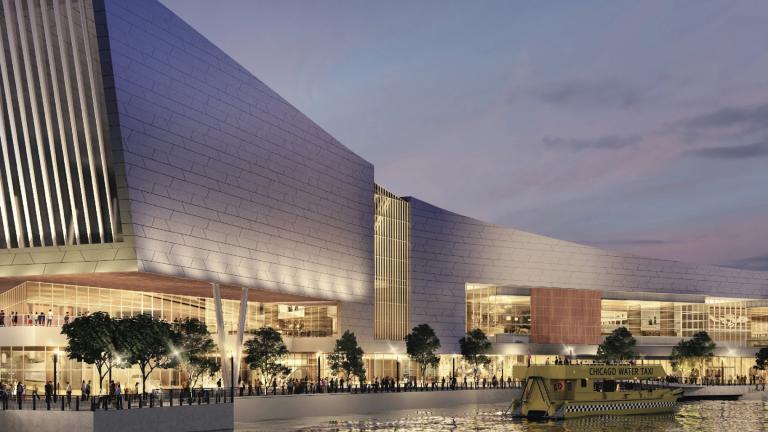
In April, Elizabeth Suever, the vice president of government relations at Bally’s Corp., warned the City Council that allowing video gambling in bars and restaurants would kneecap the city’s permanent casino, now scheduled to open in River West in early 2027. It was originally set to open in September.
Allowing video gambling terminals to start ringing up jackpots in Chicago “will necessitate the renegotiation of the existing host community agreement between Bally’s and the city, putting in jeopardy $4 million worth of yearly payments,” Suever said.
In addition, Chicago will earn less tax revenue from bets placed via video gambling terminals as compared with those placed at the city’s casino, compounding the financial damage to the city’s balance sheet, according to the mayor’s team.
Allowing video gambling could cost Chicago $70 million annually in tax revenue and slash “a staggering 750 to 1,050 jobs,” Suever warned.
In addition to approving the first six video gambling licenses, the Illinois Gaming Board on Thursday gave Bally’s permission to continue to operate the temporary casino in Medinah Temple until September 2027, implementing a change in state law approved by the General Assembly and Gov. JB Pritzker.
An additional 285 bars and restaurants have applied for state licenses to offer video gambling in Chicago, records show.
Ald. Bennett Lawson (44th Ward) informed City Clerk Anna Valencia he plans to attempt to force the City Council to consider a measure approved in April by the City Council’s License and Consumer Protection Committee that would require the city’s Department of Business Affairs and Consumer Protection to speed efforts to approve city video gambling licenses once state officials acted.
In addition, the City Council has not acted on a measure endorsed by the License and Consumer Protection Committee in March that would have banned video gambling from bars and restaurants in six wards, defying the decades-old tradition that gives alderpeople the final authority over licensing in their own wards.
None of the bars and restaurants that received state video gambling licenses are in those six wards, records show.
Nor has the City Council taken a final vote on an effort to ban the thousands of unpermitted sweepstakes machines that operate in all kinds of businesses across the city — including in bars, restaurants, gas stations, laundromats and convenience stores — but are concentrated on the South and West sides.
A vote on that measure will not take place at Wednesday’s City Council meeting, records show.
Contact Heather Cherone: @HeatherCherone | (773) 569-1863 | [email protected]