Crime & Law
Judge Says Trump Tower Violated Environmental Regulations, Is Accountable for Harming the Chicago River and Wildlife
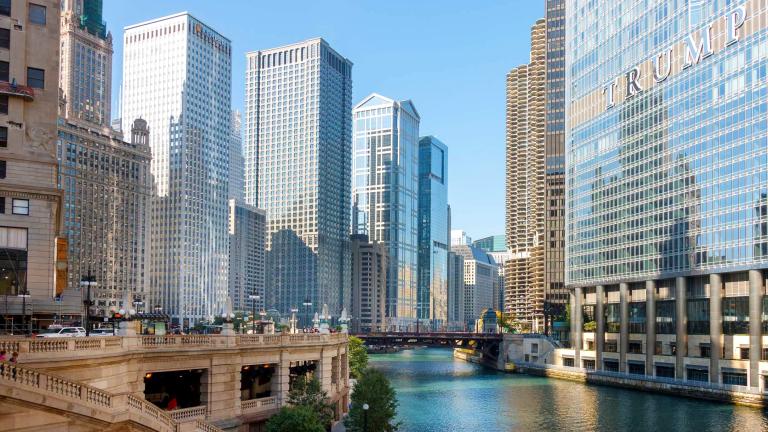
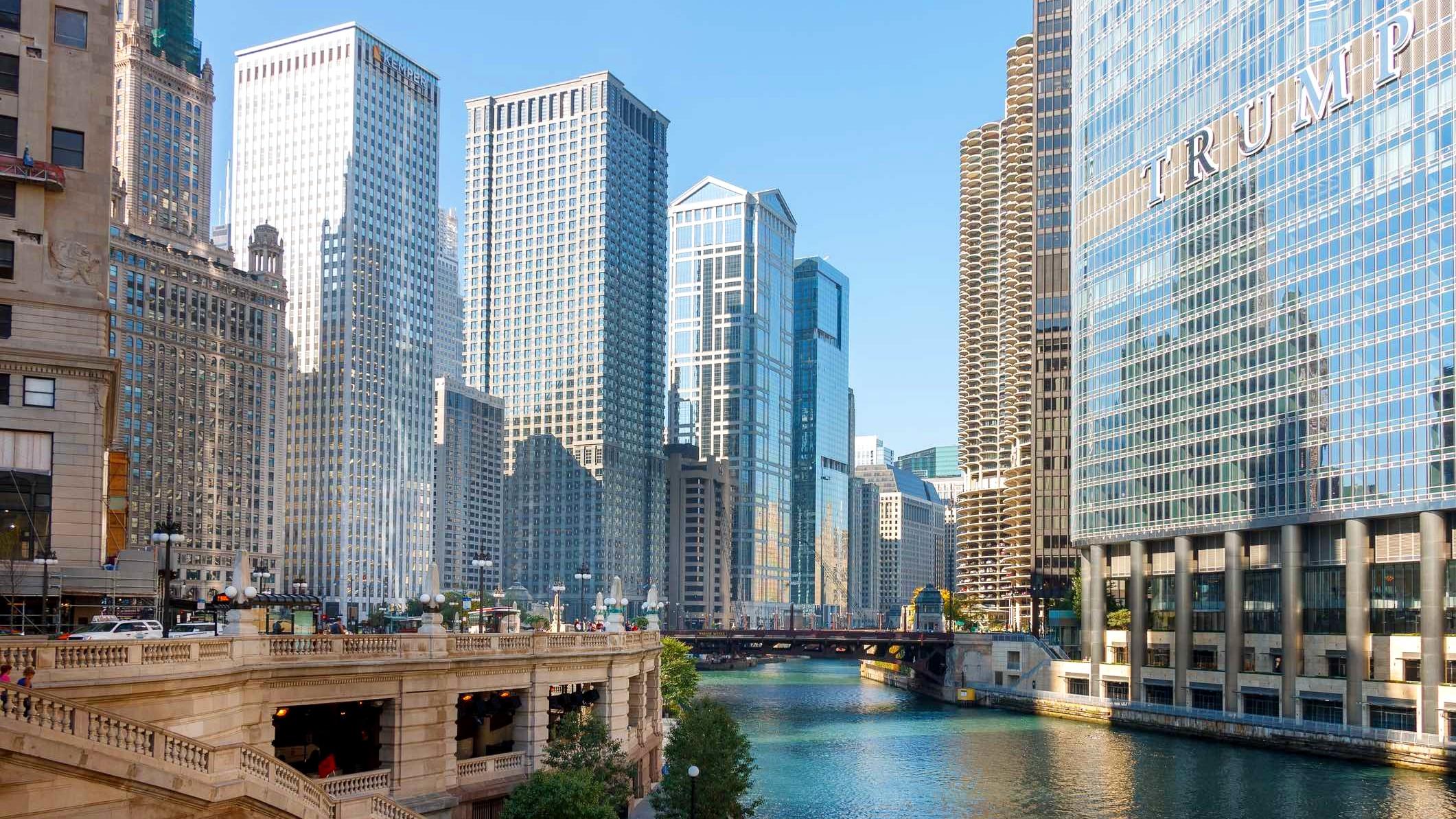 Trump International Tower and Hotel on the Chicago River. (Alexandre Fagundes / iStock)
On a recent stroll along the Chicago Riverwalk, Margaret Frisbie, executive director of Friends of the Chicago River, stopped at The Jetty, a section of floating wetland designed as a sort of “fish hotel.”
The Chicago Park District had been teaching kids how to fish at the site, and Frisbie noticed a board with a tally of what the youngsters had reeled in over the course of a few weeks.
Three thousand fish caught — and, to be clear, released — on just one small stretch of the river. “You can’t see what’s going on under the water but that’s what we’re talking about — this unbelievable potential for wildlife,” Frisbie said.
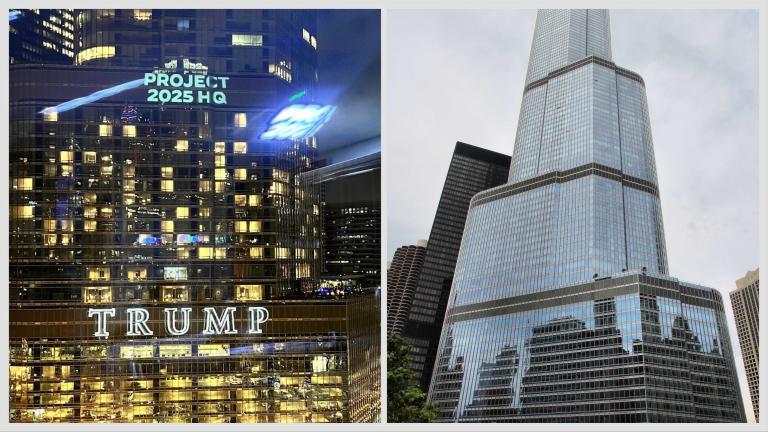
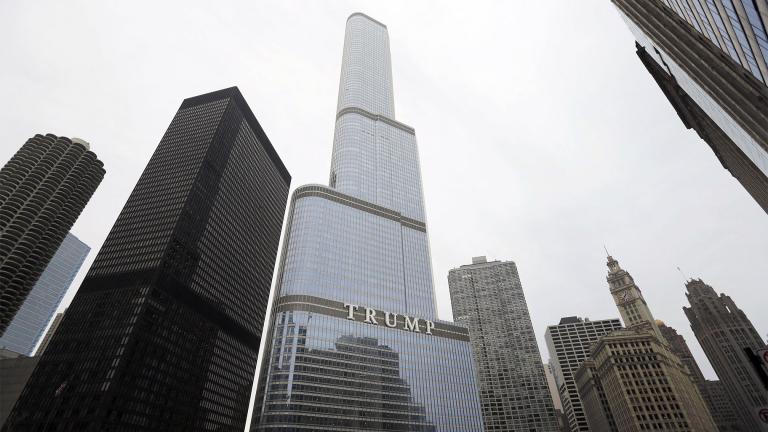
On the opposite bank from The Jetty stands Trump Tower, which draws in millions of gallons from the river daily to cool the building’s HVAC systems. It does so despite not having obtained the proper permits to pull in water or to discharge it, nor were the required studies conducted to minimize the impact on aquatic wildlife.
Without the necessary safeguards in place at the intake, thousands of fish are estimated to have been sucked into the system.
“It’s disheartening,” Frisbie said, particularly considering the billions of dollars that have been invested to clean up and revitalize the waterway.
“So on one side of the river we’re building fish habitat and on the other, they’re being drawn in and killed,” she said.
That’s about to change.
After a six-year legal odyssey, Friends of the Chicago River and the Illinois chapter of the Sierra Club won a major victory in court this week when Cook County Circuit Court Judge Thaddeus Wilson ruled that the Trump International Hotel and Tower violated and is in violation of the Illinois Environmental Protection Act.
The tower was also faulted for committing a continuing “public nuisance” by failing to comply with state and federal law dating back to 2008, including underreporting its discharges for more than a decade.
In delivering what’s known as a summary judgment, Wilson negated the need for a trial, essentially saying the uncontested evidence spoke for itself in terms of wrongdoing.
“We didn’t have to prove something we already knew was true,” Frisbie said.
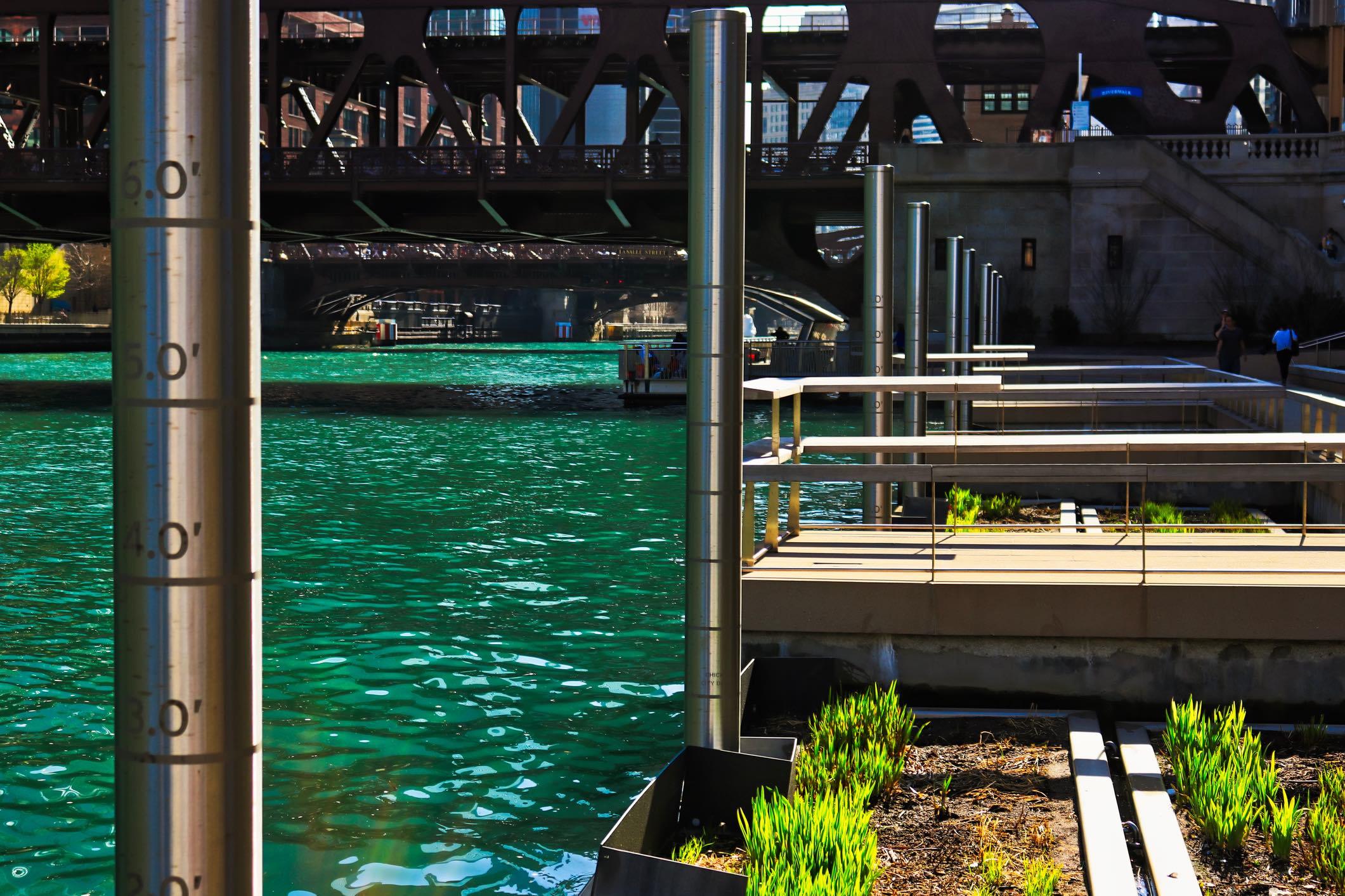 Chicago Riverwalk jetty, a floating garden and fishing pier. (Shelly Bychowski / iStock)
The next step will be a hearing in November where parties are expected to outline the process for potentially assessing a penalty and for deciding what remedies need to be installed on the tower to mitigate both the hot water being discharged back into the river (the hot temperatures are harmful to fish) and to keep fish and other wildlife from being pulled into the intake.
“That’s the big thing, the intake is the real problem,” Frisbie said. “Every building that uses the river (for cooling) is heavily regulated. There would be all this death for wildlife if it wasn’t controlled.”
A 2018 report by the Chicago Tribune showed that Trump Tower was the only building skirting environmental requirements, she noted.
“Anybody willing to break the rules and avoid responsibility undoes the good that has been done and makes cynics of citizens,” Frisbie said. “If you act like rules don’t apply, harm can be done and it has a ripple effect.”
Wilson’s decision is satisfying, she said, in that it sends the message that people who break the rules will be caught.
“I think what we feel is a sense of relief,” Frisbie said. “They have been found accountable.”
Illinois Attorney General Kwame Raoul’s office is continuing to seek civil penalties and injunctive relief for Trump Tower’s violations of the Illinois Environmental Protection Act and Illinois Pollution Control Board regulations.
Raoul filed suit against Trump Tower in 2018, a legal action Friends of the Chicago River and Illinois Sierra Club joined as plaintiff-intervenors.
Contact Patty Wetli: @pattywetli | (773) 509-5623 | [email protected]
Related Stories