Health


The phone of the future may be able to detect depression, says a new study from Northwestern University's School of Medicine. Clinical psychologist Stephen Schueller of Northwestern's Center for Behavioral Intervention Technologies joins us to discuss the study's findings.

The WTTW organic vegetable garden is thriving this summer despite all the rain and fluctuations in temperature. The Organic Gardener Jeanne Nolan joins us to harvest mid-summer crops. She’ll also give us some tips on what vegetables can still be planted at this point in the season.

This summer marks the 20-year anniversary of a brutal heat wave that hit Chicago and left more than 700 people dead. Tonight, WGN chief meteorologist Tom Skilling and Northeastern Illinois University professor emeritus Robert Starks join us to remember the summer of 1995.

Neighbors in an area of North Lawndale called the "Lawndale Triangle" feel cut off. They have no park or green space, and very few places where they can come together as a community. Now, neighborhood leaders and a local nonprofit have joined together to create a community park and garden on a lot that's sat empty for years.

The unseasonably wet start to the summer has done little to dampen growth in the WTTW garden. The Organic Gardener Jeanne Nolan is back with an update from our vegetable patch and some answers to viewer questions.
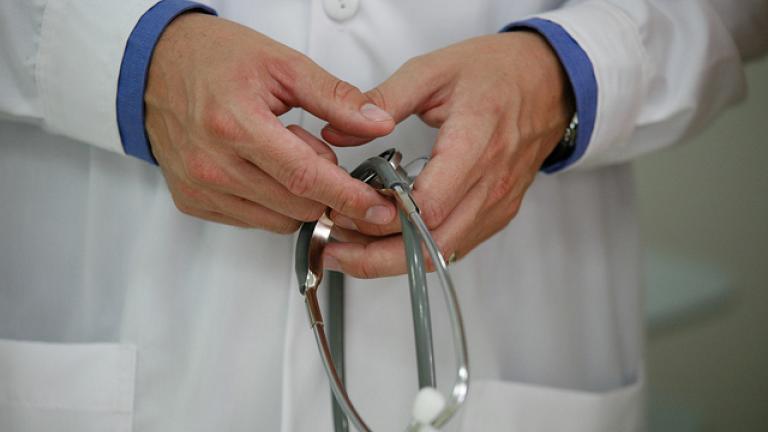
We speak to Mayo Clinic's Dr. Jacqueline Thielen about developments in women's health including some of the best treatment options for menopause.

Long before hockey, football, and even baseball became popular sports in the U.S., there was velodrome racing. At the end of the 19th century, competitive racing on bicycle tracks was all the rage, especially in Chicago which had several velodromes throughout the city. Those great tracks have all disappeared but there is still one on the city's South Side that's currently sitting idle. But that could change soon.

Last weekend, the nonpartisan Council of Great Lakes Governors held a summit to discuss how to prevent a repeat of last year’s toxic algae bloom that left more than 400,000 without drinking water. We’ll talk with experts about the summit and the economic and technological advantages that Lake Michigan provides to Chicago.

The Great Lakes contain 90 percent of the fresh water in the U.S. and the Straits of Mackinac have some of the most pristine water in the Great Lakes. But underneath the water are more than 60-year-old pipelines carrying crude oil and natural gas. Elizabeth Brackett has the details.

Now that the temperature has warmed up, we’re ready to plant the seeds and transplants for our summer crops. The Organic Gardener Jeanne Nolan visits our garden to help us plant our latest round of viewer selected crops and check in on the crops we planted a month ago.

The Illinois General Assembly has sent a bill to Gov. Bruce Rauner that will allow terminally ill patients to try experimental medication that hasn't yet been approved by the FDA. We'll hear more on the debate over whether the bill gives families a lifeline or puts already sick people at risk.

We dive into sugar and spice and everything nice, or not so nice. In The Oxford Companion to Sugar and Sweets, editor Darra Goldstein shares the powerful ways sugar has played a role in our world, both good and bad.
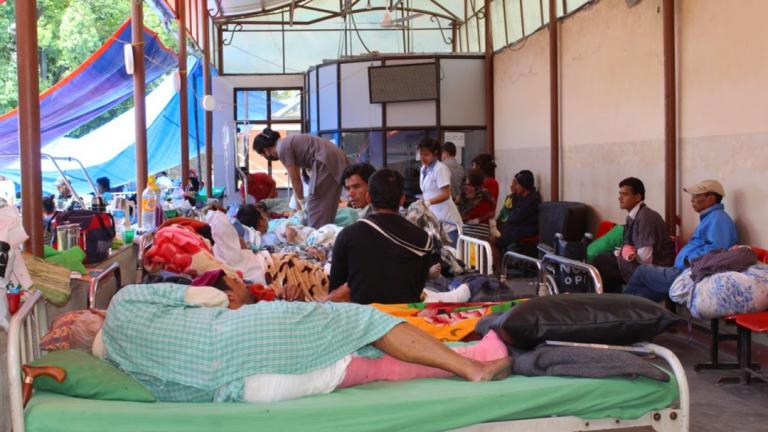
Just back from Nepal yesterday, we speak with a local doctor who was in Nepal providing knee and hip replacements. We get the latest from her on the unfolding humanitarian crisis.

As awareness increases about the risk of traumatic brain injury while playing contact sports and the possible long-term health impacts, we talk to Dorothy Kozlowski, a professor of biological sciences at DePaul University whose research focuses on understanding and treating the injured brain.

Chicago Tonight staff digs into the first planting of the season with The Organic Gardner Jeanne Nolan.

Tuesday, a team of federal health officials arrived in southern Indiana to evaluate a recent surge in HIV cases, which the director of the National Center for HIV/AIDS called one of the worst outbreaks of the last 20 years. We talk with John Peller, president and CEO of the AIDS Foundation of Chicago, to see how Chicago’s infection rate compares to Indiana, what the underlying causes are, and how to stem the tide of cases.
Trending
‘This is Only the Beginning’: Illinois Accountability Commission Hears First Testimony on Federal Agents’ Use of Force in Chicago

Chicago Bears’ Threat to Move to Indiana a ‘Slap in the Face,’ Gov. Pritzker’s Office Says

City Council Votes 30-18 to Approve Final Part of 2026 Budget. Will Mayor Veto It?

City Council Votes 29-19 to Approve Rival Spending Plan, Rebuking Mayor Johnson
Key City Panel Advances Budget Plan That Mayor Says Would Leave Chicago With $163M Deficit

Sign up for the WTTW News newsletter