Science & Nature
In Chicago’s War on Rats, Cats Lack the Killer Instinct, Study Suggests
Video: Joining “Chicago Tonight” on Dec. 9, 2025, is Seth Magle, director of the Urban Wildlife Institute at Lincoln Park Zoo. (Produced by Joel Ortiz)
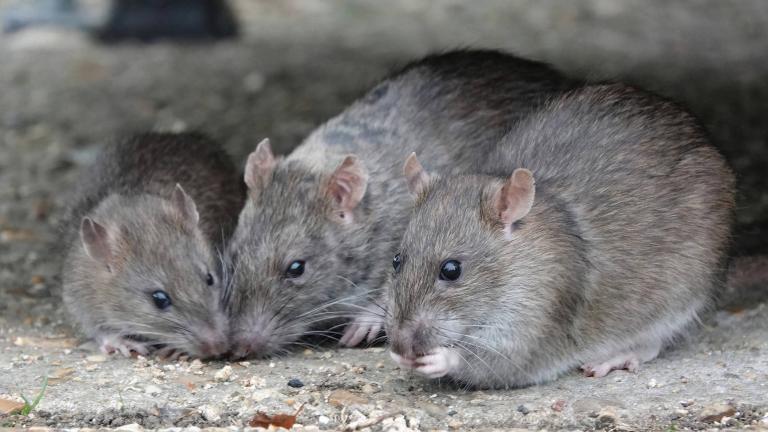
In Chicago’s war on rats, it looks like feral cats either lack a certain killer instinct or they’re extremely picky eaters, according to a new study from Lincoln Park Zoo’s Urban Wildlife Institute.
That’s probably a good thing for the cats.
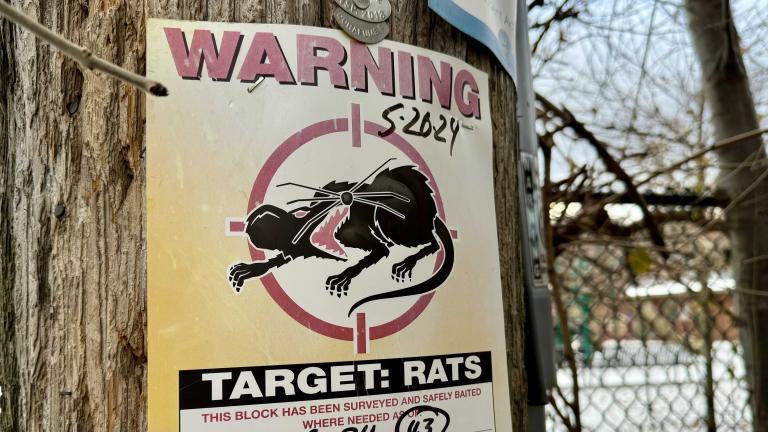
Maureen Murray, a wildlife disease ecologist who heads up the institute’s Chicago Rat Project, led the research team. She undertook the study to get a better understanding of how free-roaming outdoor cats might be at risk for poisoning by anticoagulant rodenticides — the chemicals widely used to kill rats.
In recent years, there have been a number of high-profile instances of raptors — specifically bald eagles and owls — dying from the poison, not by inadvertently consuming the bait but by eating rats. Meanwhile, the rats themselves have become increasingly tolerant of the rodenticides.
The question Murray’s team posed: Are feral cats likewise likely to become collateral damage in the campaign to control Chicago’s rat population?
Initial results suggest no.
Of the 57 free-roaming cats tested in the study, only four — or just 7% — were found to have traces of rodenticide in their blood samples. The amount of rat poison was significantly less than that of other local species subjected to the same test.
The study, published in the Journal of Wildlife Diseases, concluded that cats don’t consume many rats.
Note: This article was originally published Dec. 4, 2025, and updated with video Dec. 9, 2025.
Contact Patty Wetli: [email protected]