Health
New Report Finds Food Insecurity Worsening in Chicago, With 1 in 3 Households Struggling to Access Food
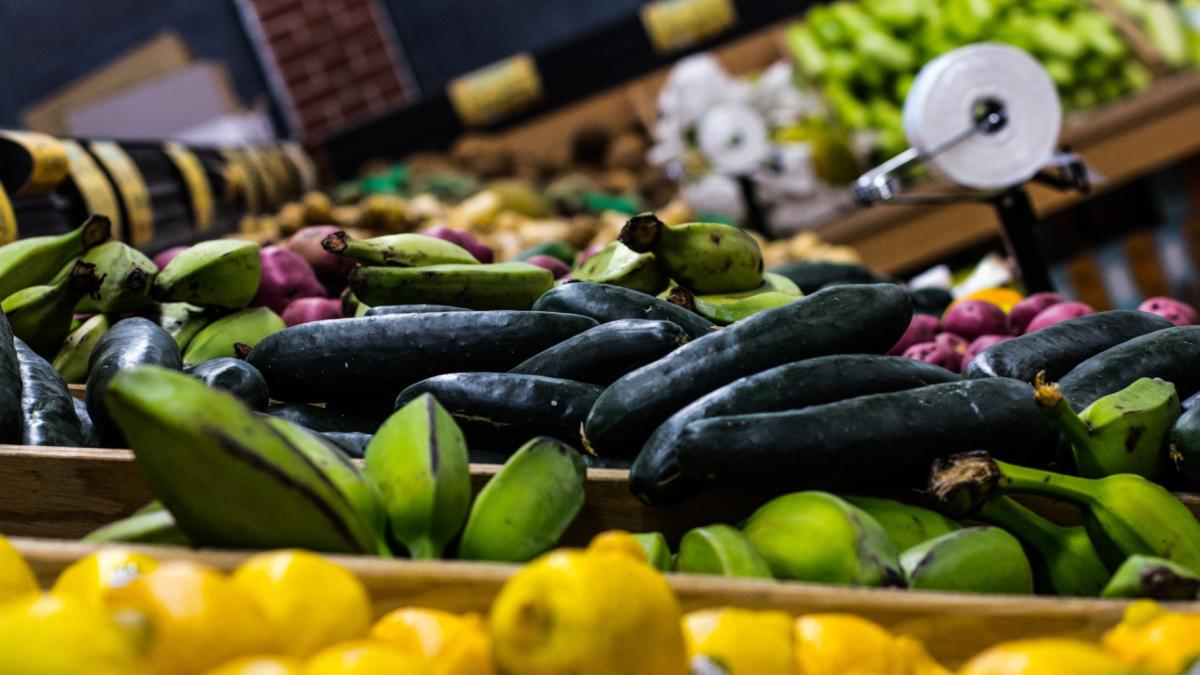 A file photo of a Chicago market. (LMM / iStock)
Food insecurity is worsening in Chicago as more than 1 in 3 households struggle to put food on the table, according to a report released Monday by the Greater Chicago Food Depository.
The findings come amid federal cuts to safety net programs like the Supplemental Nutrition Assistance Program, along with rising costs and insufficient wages, which are forcing residents to choose between groceries and other essentials like housing and medicine, according to the report.
The report found 36% of Chicago households, or about 417,000 households, lack consistent access to enough food, with families with children being at even greater risk.
Nearly half, or 47%, of households with children are struggling to put food on the table compared to 30% of households without children, the report found.
“It underscores the lived experience behind the data: parents are skipping meals so their children can eat, older adults are stretching fixed incomes as rent and grocery bills rise, working families are doing everything they can and still coming up short,” Kate Maehr, executive director and CEO of the Greater Chicago Food Depository, said in a statement.
The report found that while food insecurity is citywide, inequities remain stark.
The South Side (51%), West Side (45%) and Southwest Side (41%) have higher rates of food insecurity than the Northwest Side (27%) and North Side (20%).
The report, released in partnership with NORC at the University of Chicago, is based on a June survey of 1,200 Chicago residents. View the full report here.
The passage of HR1, also known as President Donald Trump’s “One Big Beautiful Bill Act,” led to sweeping changes to SNAP by imposing stricter work requirements to remain eligible, along with cutting eligibility from refugees and those granted asylum.
SNAP enrollment in Cook County has decreased by 23% since the bill’s enactment in July 2025, leaving nearly 196,000 residents without the federal anti-hunger program, according to the Greater Chicago Food Depository.
The food bank has called for the reversal of the cuts to food and healthcare programs, or at minimum, the delay of the SNAP cost shift to states for two years, so states have time to secure the funding needed to keep basic food assistance available.
“The charitable food system is responding with everything we have, but food banks alone cannot solve an affordability crisis of this scale,” Maehr said in a statement. “We need urgent action to strengthen SNAP, protect health care and invest in solutions that help families afford the basics.”
Contact Eunice Alpasan: [email protected]