

Greater Chicago Food Depository
The findings come amid federal cuts to safety net programs like SNAP, along with rising costs and insufficient wages, which are forcing residents to choose between groceries and other essentials like housing and medicine, according to the report.

The changes to SNAP outlined in what President Donald Trump dubbed the “One Big Beautiful Bill Act” go into effect this month and require thousands of Illinois households to fulfill new work requirements or submit for an exemption.
Nearly 2 million Illinois residents, including 900,000 people in Cook County, face losing their benefits from the Supplemental Nutrition Assistance Program if Congress fails to pass a budget by Nov. 1.

This fall, free take-home meals at Malcolm X College, Kennedy-King College and Olive-Harvey College will be available for students and their family members.
A food assistance program aimed at helping children have access to nutritious meals during the summer months will begin to issue benefits to low-income families in Illinois starting in May.
“We’re bracing ourselves for anything and everything”
A House GOP budget plan passed last week asks the agriculture committee, which funds food assistance programs like SNAP, to cut $230 billion over 10 years. The energy and commerce committee, responsible for health care spending like Medicaid, was also asked to cut $880 billion over the decade.
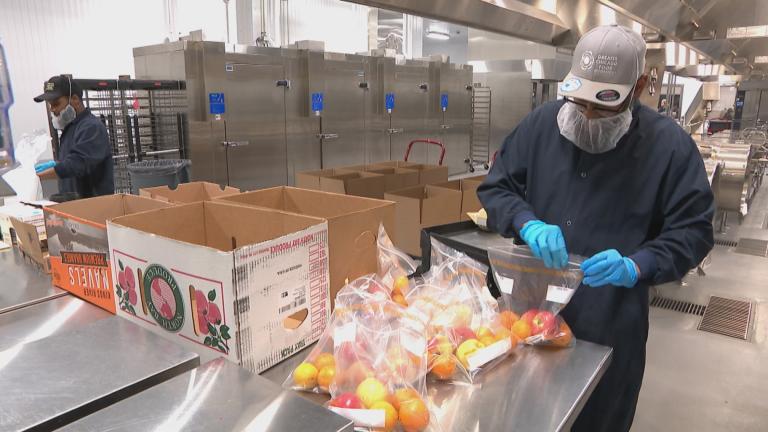
The Greater Chicago Food Depository is a non-stop operation serving hundreds of organizations across Chicago and Cook County. With food insecurity still rising, the food bank has opened a new facility focused on preparing hot meals.
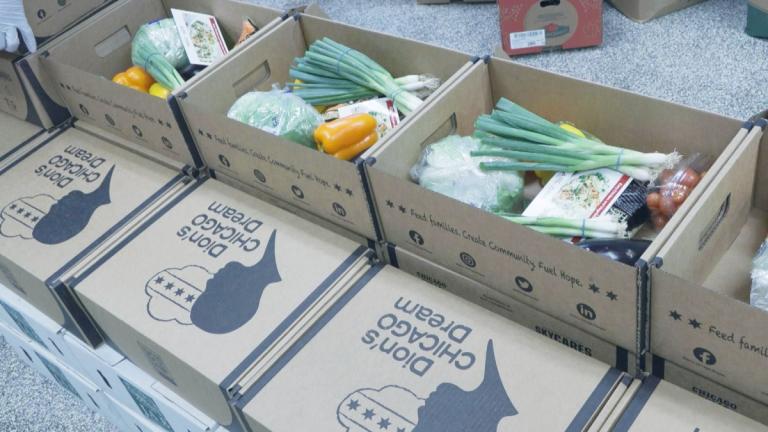
With one in five Chicagoans facing food insecurity, residents are working to feed their own with grassroots efforts led by community nonprofits.
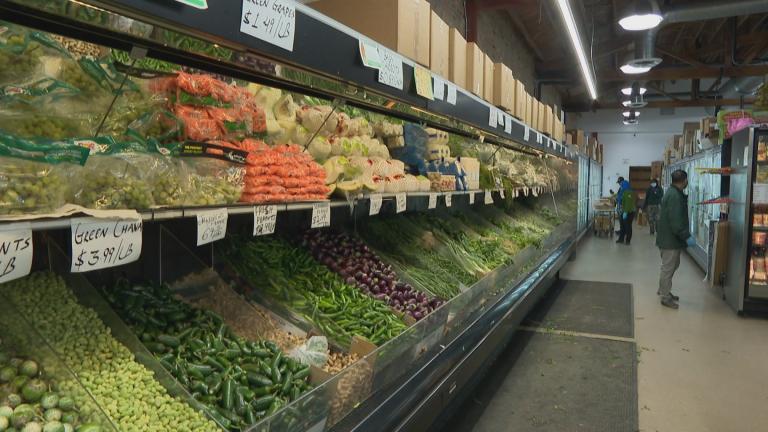
Starting this summer, families in Illinois with school-age children can receive a preloaded card to purchase groceries during summer break as part of a new permanent federal program called Summer EBT, or the Summer Electronic Benefit Transfer Program for Children.
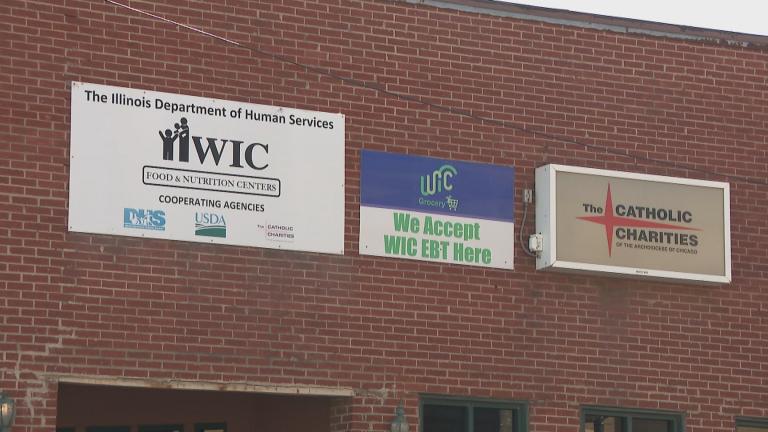
The Special Supplemental Nutrition Program for Women, Infants, and Children, also known as WIC, is facing a $1 billion budget shortfall, and Congress has until March to secure funding. Illinois would need about $24 million in additional funding for the 2024 fiscal year to serve its eligible population.

Gov. J.B. Pritzker’s administration cites “procurement delays” by Chicago as the reason for the shortfall, and says that the city in January will assume the responsibility of making sure migrants are fed, according to a news release.
Food Insecurity is on the Rise Again. How Chicagoans Are Helping Meet the Need Ahead of the Holidays
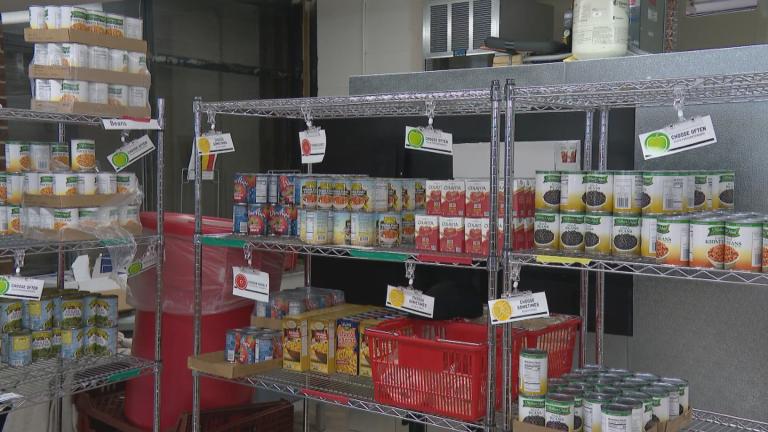
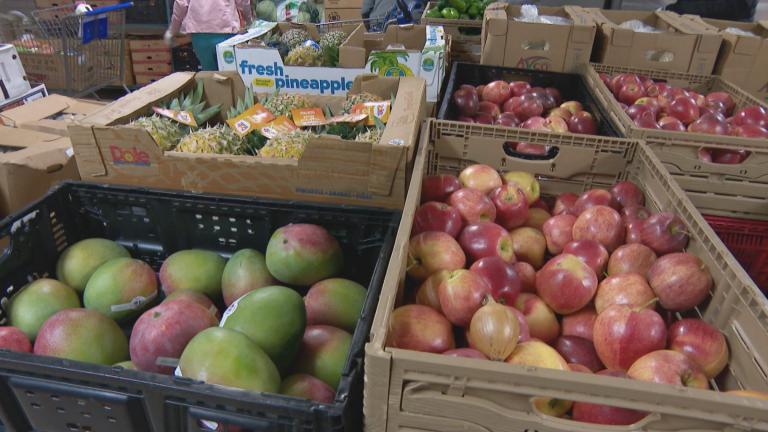
According to the Greater Chicago Food Depository, one in five households in the Chicago area is facing food insecurity. A national report found that 17 million households were food insecure at some point in 2022.
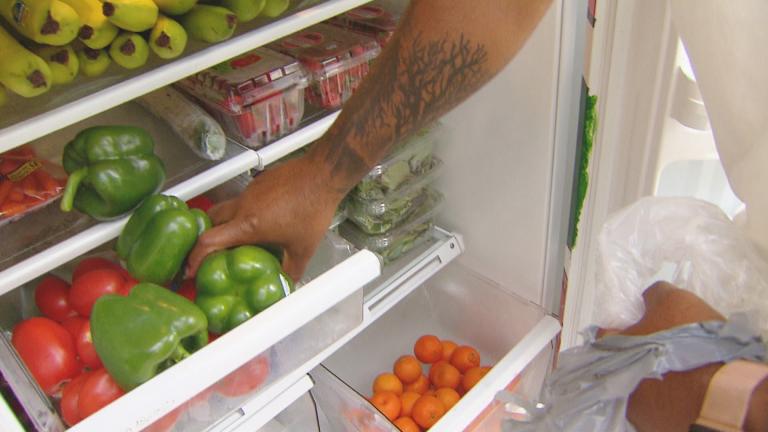
With inflation on the rise, and federal pandemic assistance expiring, food pantries and distributors say food insecurity across the city is spiking.
Households in Illinois receiving SNAP food benefits will see them decrease in March as a pandemic-era policy giving families additional benefits comes to an end. The average person will receive about $90 less in SNAP benefits per month.
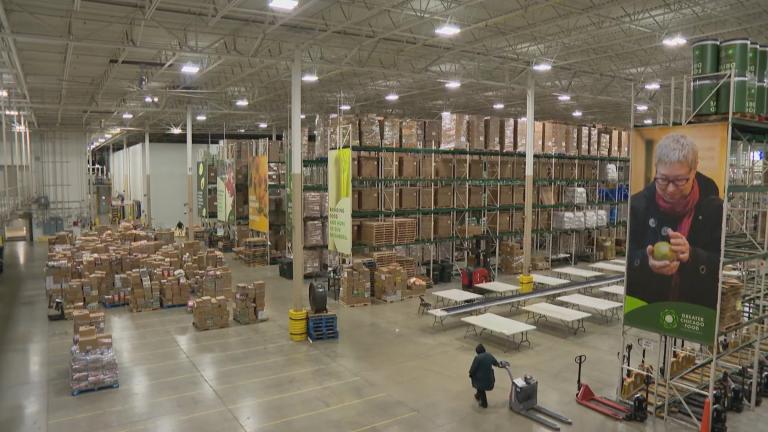
The Greater Chicago Food Depository estimates that while food insecurity is overall 19% higher compared to pre-pandemic levels, it’s 37% higher for Black households.
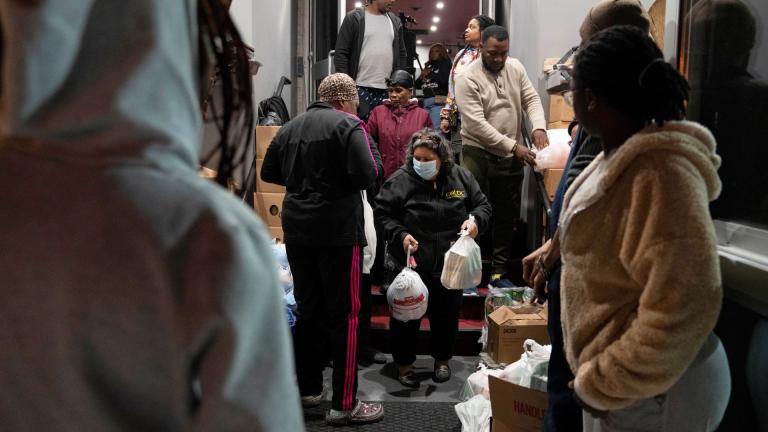
The government estimates food prices will be up 9.5% to 10.5% this year. And that's squeezing the budgets of many Americans and the food banks that have helped them, especially with the expiration of the massive flow of pandemic relief aid.
Trending
Pair of Chicago Elementary Schools Named Top in Illinois in New U.S. News Rankings

Mother-Son Reunions Among Latest Milestones for Shedd’s Rescued Belugas

Migration Mass Casualty With At Least 1,000 Birds Injured or Killed This Weekend in Chicago and on Northwestern’s Campus

Early Voting for November General Election Expands in Chicago, Suburban Cook County

Giannoulias, Quigley, Wilson — But Not Johnson — Among First to File Signatures Ahead of Chicago’s February Mayoral Election

Sign up for the WTTW News newsletter