Science & Nature
Chicago Has Updated Its Green Infrastructure Strategy, Will It Hold Water?
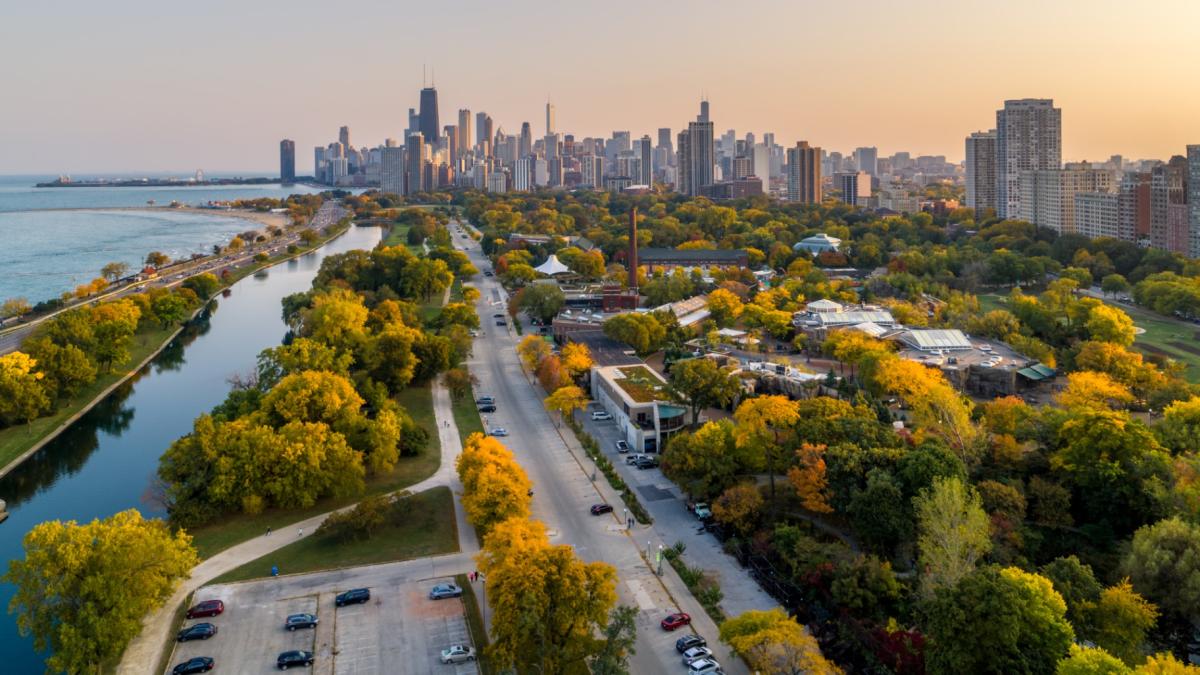 The Chicago skyline is pictured in a 2020 photo. (Credit: Aerial_Views / iStock)
With climate change fueling more frequent, more severe storms, the risk of urban flooding is on the rise as well.
Cities across the globe are exploring nature-based flood mitigation solutions, and Chicago is no exception.
Officials with the city's Department of Environment recently released an updated Green Infrastructure Strategy, the first revision to the document in more than a decade. The update was required as part of an EPA permit issued in 2024, and it was developed in partnership with various other city departments, private consultants and advocacy organizations.
According to Jackie Rigley, senior water policy advisor for the Department of Environment, Chicago's vulnerability to flooding stems from the fact that two-thirds of the city is covered in impervious surfaces such as roofs, roads and sidewalks that funnel water into the city's sewers.
During heavy rains, backups in this system can result in flooded basements and untreated wastewater being released into the Chicago River or even Lake Michigan.
Green infrastructure, on the other hand, manages water where it falls, relieving the burden on sewers. These nature-based solutions include permeable alleys, green roofs and native gardens.
Many of these solutions can already be found throughout Chicago, but they're often implemented piecemeal by different agencies and even private entities.
What's needed, Rigley said, is a more cohesive approach, one capable of systematically undertaking more of these projects, in the communities that need them the most, while also maintaining the green infrastructure already in place.
The updated strategy outlines a number of actions needed before the city can contemplate scaling up green infrastructure projects.
Chiefly, the city needs to build a detailed inventory of existing green infrastructure: what it is, where it is, when it was installed and what routine maintenance is needed.
The lack of a plan for long-term care of green infrastructure projects limits their effectiveness, experts said during a virtual presentation of the updated strategy.
“There must be a shift in the way green infrastructure maintenance is prioritized, valued and addressed,” said Danielle Gallet, founder of Waterwell, who consulted on the strategy update.
Funding for maintenance should be factored into future green infrastructure projects, and sources should also be identified for maintenance dollars and responsibility should be assigned, she said.
Too often, maintenance for green infrastructure has fallen on community organizations or individual stewards. The updated strategy document explicitly states: “While public support and supplemental maintenance from a local community can be extremely valuable, the city needs to be responsible for maintenance of public green infrastructure installations.”
The revised document also calls for greater cross-agency coordination and collaboration, and recommends the creation of a green infrastructure team.
Members of the public can weigh in on the updated Green Infrastructure Strategy during a 60-day comment period. A feedback form is available online.
Contact Patty Wetli: [email protected]