

Environment

Vincenzo Vitelli, a physicist at the University of Chicago, and Kaiyu Guan, an environmental scientist at the University of Illinois, were among a group of 20 fellows chosen for this year’s MacArthur Fellows Program. Recipients receive a “no-strings-attached” $800,000 award.
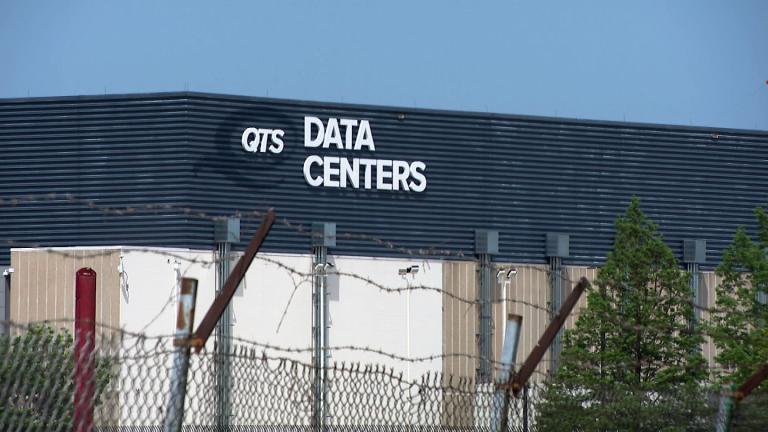

Large, resource-intensive data centers have drawn increased public attention in recent years as their construction ramped up around the country. But in an urban environment like Chicago, data centers of all sizes can have a big impact.
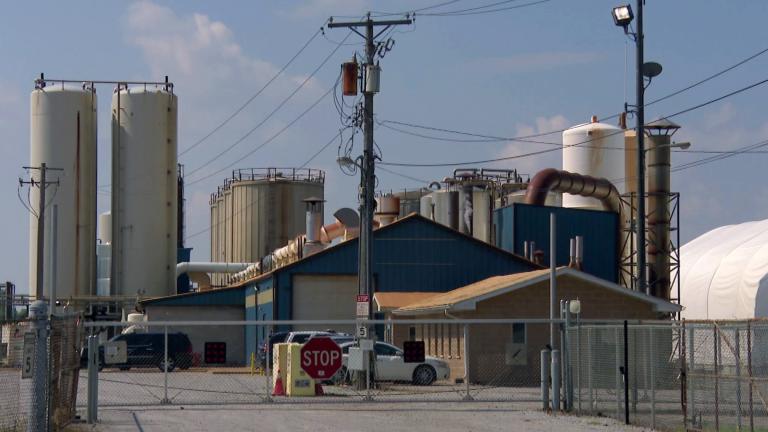
For years, Southeast Side residents have complained of foul odors plaguing their neighborhood. The smell is allegedly coming from Pullman Innovations, a vegetable oil plant in South Deering. Neighbors said the smell resembles everything from sewage, to rotting meat, to corpses.
What Does Sustainable Data Center Development Look Like? Chicago Working Group Makes Recommendations
Public concern has grown around data centers’ energy usage, noise pollution, water consumption and emissions. Now, as Chicago leaders race to catch up, they won’t be starting from square one.

Last fall, the Chicago Department of Public Health and the University of Illinois Chicago joined forces to install 277 air quality monitors around the city, the largest system of its kind in the United States.
State lawmakers failed to pass a legislation this spring that would help the state regulate the growing data center industry, and Gov. JB Pritzker suspended state incentives for new data center projects.

Officials with Chicago's Department of Environment recently released an updated Green Infrastructure Strategy, the first revision to the document in more than a decade.
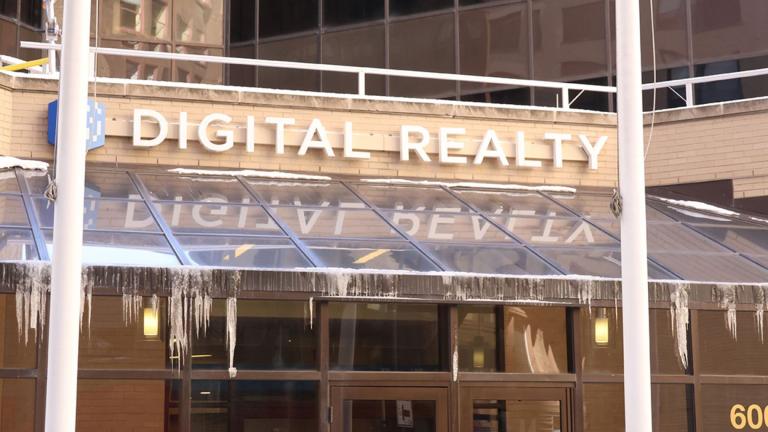
Calls for regulation are bipartisan, but the specifics are still being negotiated between lawmakers, data center companies and trade groups.
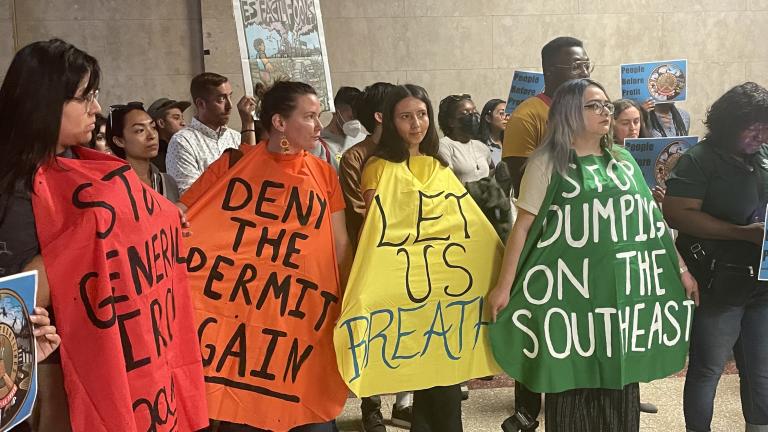
The proposal is opposed not only by business groups but also labor organizations, including the Chicago Federation of Labor, which are concerned that the measure would snarl new and expanding businesses in red tape, preventing them from creating new jobs.

These cuts are likely to affect battery plants, hydrogen technology projects, upgrades to the electric grid and carbon-capture efforts, among many others, according to the environmental nonprofit Natural Resources Defense Council.

A key split is whether the treaty should require cutting plastic production, with powerful oil-producing nations opposed; most plastic is made from fossil fuels. They say redesign, recycling and reuse can solve the problem, while other countries and some major companies say that’s not enough.

What does the Chicago Park District owe its community of volunteer natural area stewards? Some say a little respect, and maybe a heads up if the district is going to mow down acres of native plants.

The plan says to combat “radical climate dogma,” a number of restrictions — including clean air and water laws — could be lifted, aligning with Trump’s “American energy dominance” agenda and his efforts to undercut clean energy.
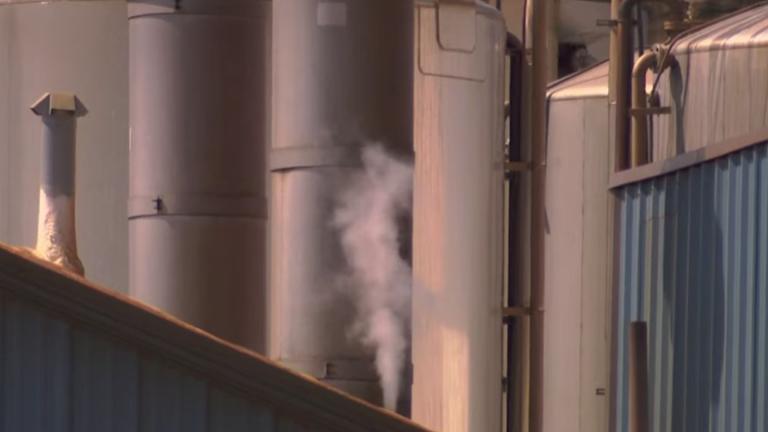
“My kids grew up smelling dead animals and rotting fish,” said Ljiljana Radocaj, a mother and resident of the 10th Ward. “It’s the most horrific smell — you can’t even describe it. You can just run from it.”
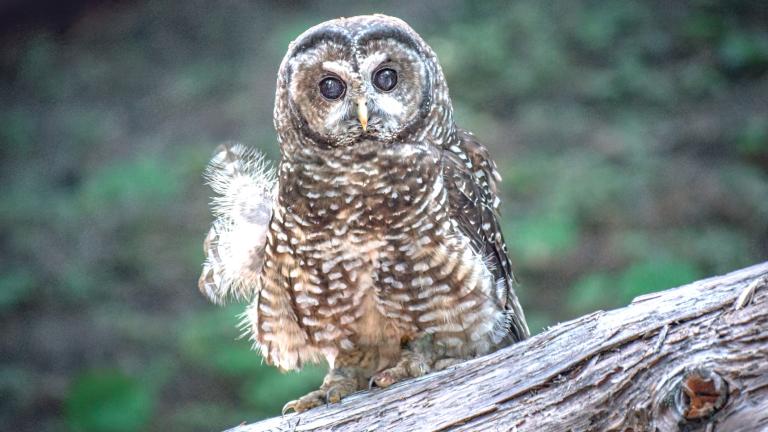
A proposed change to the United States’ Endangered Species Act could threaten not only to reverse decades of progress but accelerate the pace of loss, experts said.
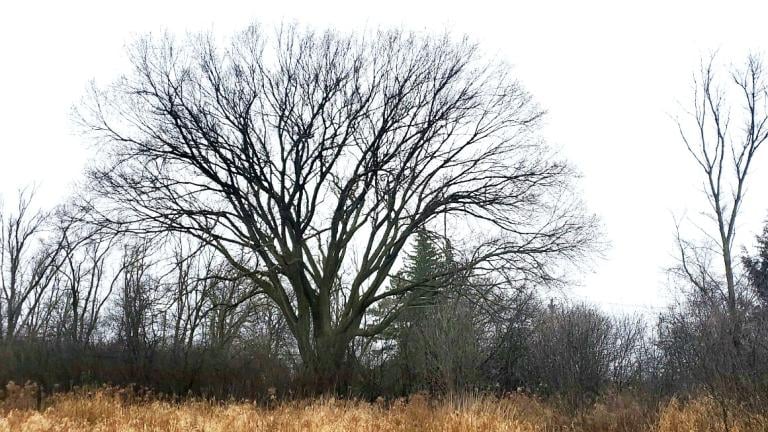
The Forest Preserve District of Cook County has mapped the largest specimen of each tree species identified in the preserves and has made it easier for people to find these “champions.”
Trending
Who Is Running, or Thinking About Running, to Become Chicago’s Next Mayor

Suspend CPD Officers, Sergeant Repeatedly Accused of Making Improper Traffic Stops for a Combined 330 Days: Police Brass

No Tax Hikes or Layoffs Needed to Close Cook County’s $550M Gap Thanks to ‘Budget Magic’: Preckwinkle

Marimar Martinez Hopes New Lawsuit Could Spur Criminal Charges 1 Year After Border Patrol Agent Shot Her

Hilario Dominguez, Candidate for CPS Board President, Defends Conduct as Watchdog Reopens Probe Into Inappropriate Behavior Allegations

Sign up for the WTTW News newsletter