Science & Nature
Chicago’s New Air Pollution Monitors Face Summer Heat as Researchers Work to Inform, Protect Communities
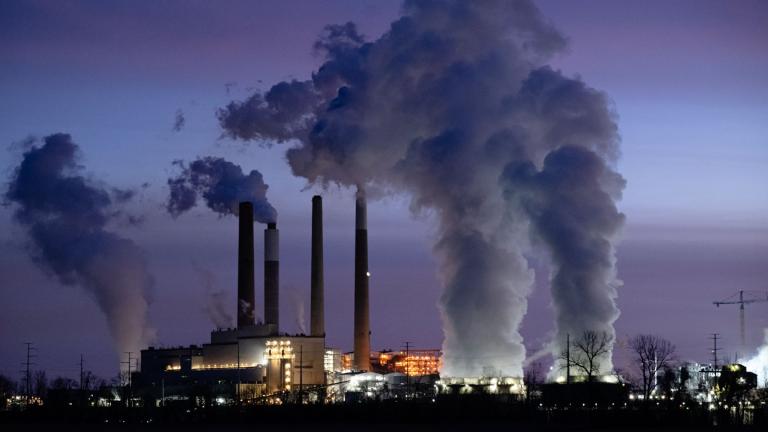
Air pollution is impacting the life expectancy of Black and Latino residents in Chicago, according to a report from the Chicago Department of Public Health.
Last fall, CDPH and the University of Illinois Chicago joined forces to combat this gap by installing 277 air quality monitors around the city, the largest system of its kind in the United States.
“It’s collecting concentrations of fine particulate matter and nitrogen dioxide,” said Grace Adams, environmental health projects administrator at CDPH. “There’s one in at least every community area and at least one in every ward, so that way we are getting full, city-wide coverage and we can understand what’s happening at the hyperlocal level.”
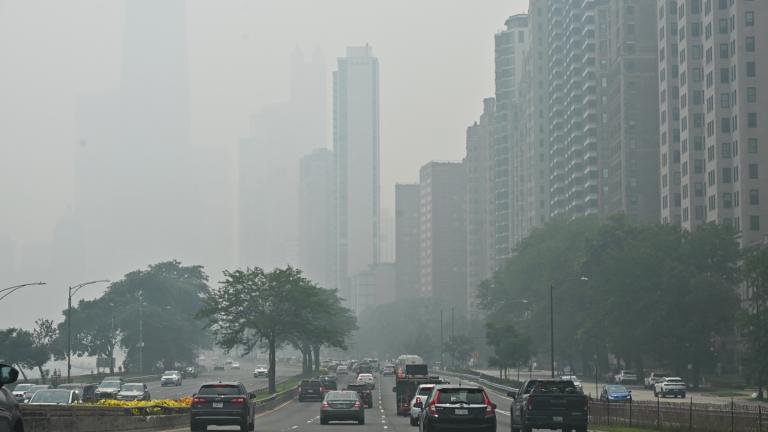
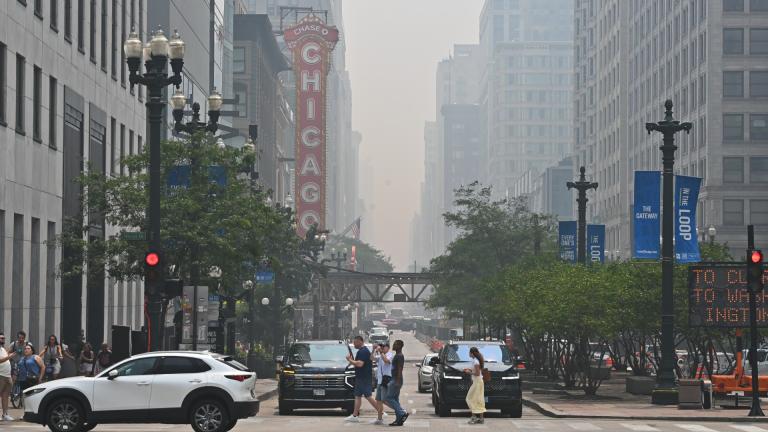
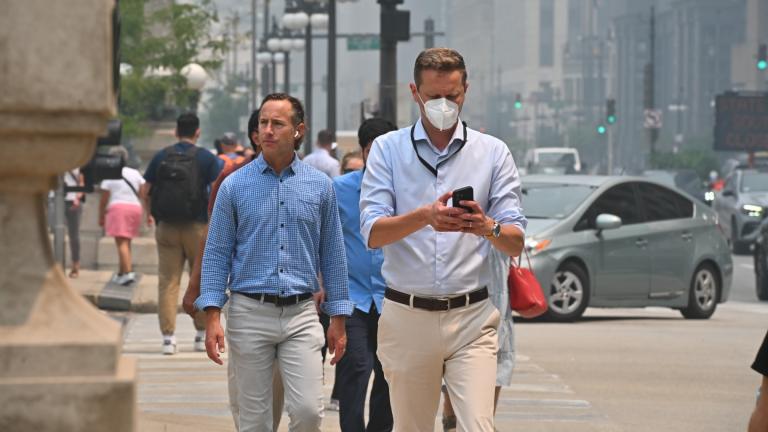
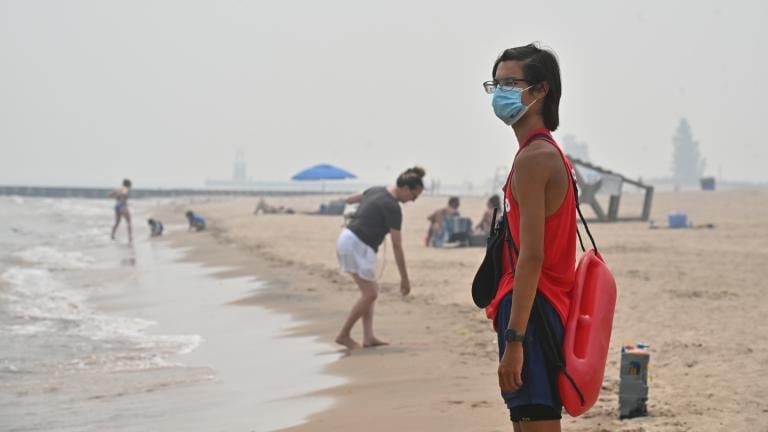
Since 2023, Chicago has seen record-breaking amounts of air pollution. Smoke from wildfires in Canada and the western United States drifted into various parts of the city, contributing to worsening air quality. Serap Erdal, Open Air Chicago project leader and UIC School of Public Health professor, said these phenomena worsen in the summer.
“The higher temperatures serve as a catalyst for chemical reactions in the atmosphere, so that results in higher concentrations of ozone and other pollutants,” Erdal said.
Earlier this year, the American Lung Association ranked the Chicago-Naperville area’s air pollution as one of the worst in the country in its State of the Air Report.
Open Air Chicago is hoping to help change that ranking and protect Chicago residents, especially those on the South and West sides.
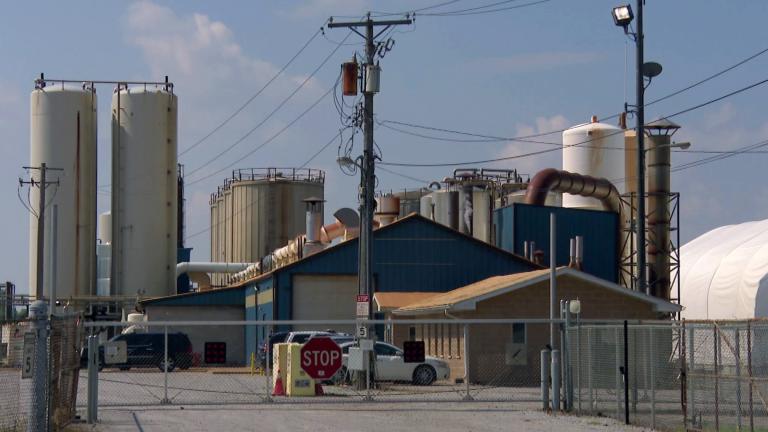
Jaime Groth Searle, founder and executive director of the Southwest Collective, a neighborhood organization working to improve quality of life on Chicago’s Southwest Side, said the region’s industrial history also contributes to higher rates of air pollution.
“There is a lot happening, a lot being made, a lot being transported across our interstates, our rivers, our airways,” Groth Searle said. “There are some neighborhoods where that is happening a lot more than others, and they happen to be on the South, the West and the Southwest and Southeast sides.”
Chicago’s South and West sides have high Black and Latino populations, meaning those residents are also most frequently exposed to poor air quality, and therefore at higher risk for chronic illnesses.
The solar-powered monitoring system aims to understand air quality at the community level. The sensors report data every 15 minutes and are organized in a grid system with each monitor less than one mile away from the next.
Erdal received grants from ComEd and the U.S. Department of Commerce to establish the network. CDPH then offered to collaborate on the project and helped fund the rest.
For Erdal, having neighborhood-level, community-driven data was one of the most important facets of the project. UIC and CDPH collaborated with an advisory board made up of 13 organizations that advocate for environmental justice throughout the city.
This data is important for policymakers and community empowerment. Groth Searle recommends that Illinois lawmakers pay attention to the data when introducing policies that impact Chicago residents.
Open Air Chicago is set to last until 2030.