Politics
While Trump Threatens Controllers, US Flight Cancellations Will Drag on Even After Shutdown Ends
Video: Joining “Chicago Tonight” are Joseph Schofer, a civil engineering professor at Northwestern University; Robert Mark, a retired pilot, former air traffic controller and publisher of the aviation blog Jetwhine; and Darrell English, a TSA officer at Chicago Midway International Airport and president of the American Federation of Government Employees Local 777, a union representing TSA agents in Illinois and Wisconsin. (Produced by Blake Thor)
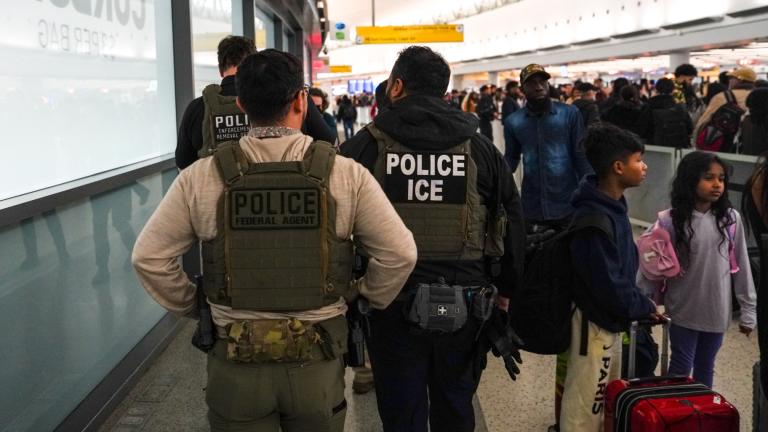
NEW YORK (AP) — Air travelers should expect worsening cancellations and delays this week even if the government shutdown ends, as the Federal Aviation Administration moves ahead with deeper cuts to flights at 40 major U.S. airports, officials said Monday.
After a weekend that saw thousands of flights canceled, including almost 3,000 on Sunday alone, airlines scrapped another 1,700 flights Monday and nearly 1,000 for Tuesday. Some air traffic controllers — unpaid for nearly a month — have stopped showing up, citing the added stress and need to take second jobs.
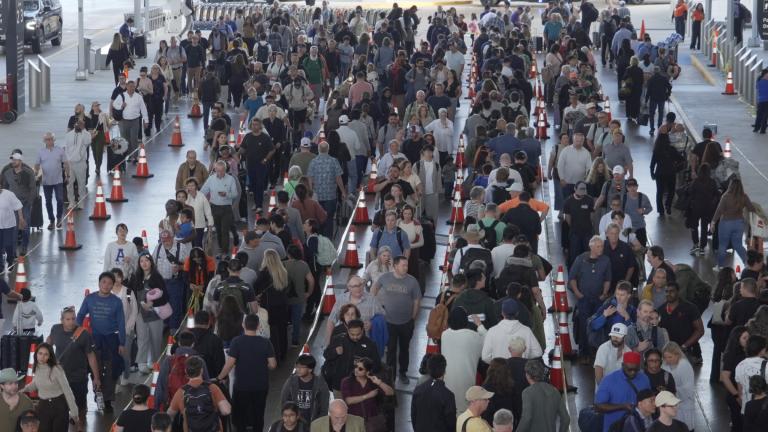
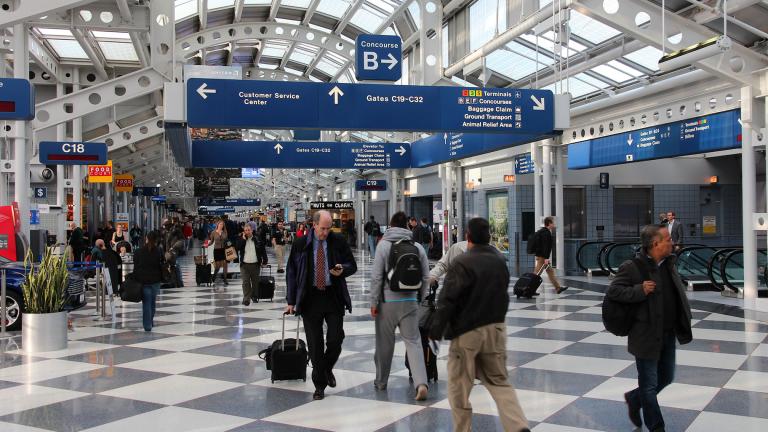
Controller shortages led to average delays of four hours at Chicago O’Hare and 45 minutes in Las Vegas on Monday, with the FAA warning of staffing issues at more than a dozen towers and control centers that could cause additional disruptions in cities including Philadelphia, Nashville and Atlanta.
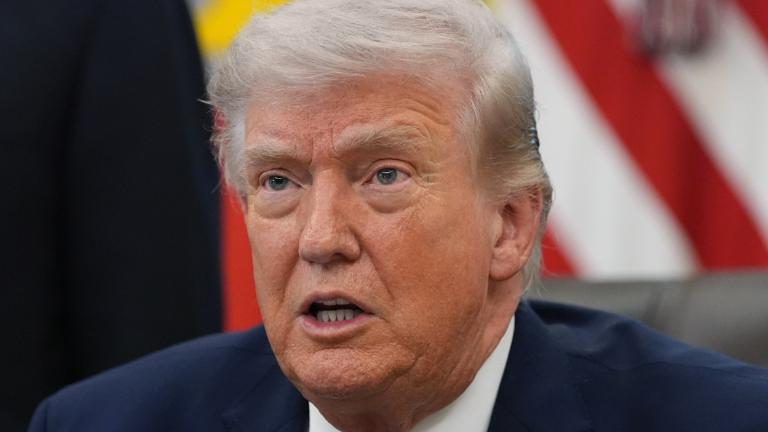
President Donald Trump pressured controllers Monday on social media to “get back to work, NOW!!!” The president said he wants a $10,000 bonus for controllers who’ve stayed on the job every day and to dock the pay of those who didn’t.
Robert Mark, a former pilot and air traffic controller, said it’s unreasonable for the president to expect controllers to keep working without pay.
“He has never worked in a job like this,” Mark said. “These people have been struggling to pay their bills and he has no idea what it’s like for someone to work six-day weeks and 10-hour days and still have to try to find time for another job driving an Uber delivering things in order to pay the bills.”
The head of the controllers union said they are being used as a “political pawn” in the fight over the shutdown.
The Senate took a first step Sunday toward reopening the federal government, although final passage could still be days away. Transportation Secretary Sean Duffy made clear last week that flight cuts will remain in place until the FAA sees safety metrics improve.
Over the weekend, airlines canceled thousands of flights to comply with the order to eliminate 4% of flights at 40 of the nation’s busiest airports. That figure will rise to 6% on Tuesday and reach 10% by week’s end, the FAA says.
Already, travelers are growing angry.
“All of this has real negative consequences for millions of Americans, and it’s 100% unnecessary and avoidable,” said Todd Walker, whose flight from San Francisco to Washington state was canceled over the weekend, causing him to miss his mom’s 80th birthday party.
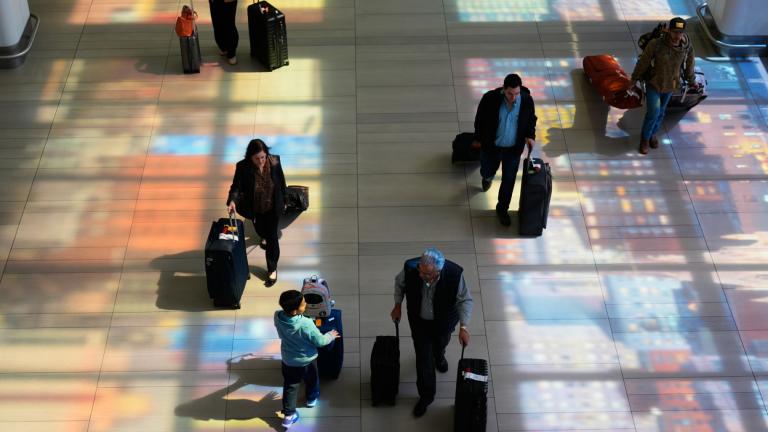
About 10% of all flights nationwide were canceled Sunday, making it the fourth worst day for cancellations since January 2024, according to data from aviation analytics firm Cirium. Even the relatively modest 4% cuts at major airports ripple across the system when planes and crews fall out of position for their next flights.
The reductions have resulted in thousands of canceled flights and increased delays — including a ground stop at O’Hare — according to Northwestern University civil engineering professor Joseph Schofer.
“The one thing that we don’t talk about much is, in addition to the several thousand flights that are canceled, flight delays are up very considerably,” Schofer said. “So O’Hare Airport, for example, this afternoon had a two-and-a-half-hour ground stop, which means all inbound aircraft are held at their origin for their safety.”
The FAA expanded flight restrictions Monday, barring business jets and many private flights from using a dozen airports already under commercial flight restrictions.
Airports nationwide have seen intermittent delays since the shutdown began because the FAA slows air traffic when it’s short on controllers to ensure flights remain safe.
The shutdown has made a demanding job even more stressful, leading to fatigue and increased risks, said Nick Daniels, president of the National Air Traffic Controllers Association.
“This is the erosion of the safety margin the public never sees, but the American public relies upon every day,” the union chief said at a news conference Monday.
Some controllers can’t afford child care to come to work while others are moonlighting as food delivery drivers or even selling plasma to pay their bills, Daniels said. The number who are retiring or quitting is “growing by the day,” he said.
Tuesday will be the second missed payday for air traffic controllers and other FAA employees. It’s unclear how quickly they might be paid once the shutdown ends. In the 2019 shutdown, it took up to 2½ months for controllers to receive full back pay, Daniels said.
The shutdown and money worries have become regular “dinnertime conversations” for Amy Lark and her husband, both air traffic controllers in the Washington, D.C., area.
“Yesterday, my kids asked me how long we could stay in our house,” Lark said at the news conference. Still, she said controllers remain “100% committed.”
The government has struggled for years with a shortage of air traffic controllers, and Duffy said the shutdown has worsened the problem, prompting some controllers to retire early or quit. Before the shutdown, the transportation secretary had been working to address the shortage by hiring more controllers, speeding up training and offering bonuses to retain experienced controllers.
Duffy warned over the weekend that if the shutdown drags on, air travel may “be reduced to a trickle” by the week of Thanksgiving.
Transportation Security Administration officers have also been working without pay for a month. Officers at O’Hare and Midway airports have been forced to take on second jobs, and some have had to quit entirely, according to Darrell English, a TSA officer at Midway and local union leader.
“We’ve had officers that have taken on second jobs and additional type of work,” English said. “We have also had officers that have resigned because they could not continue the process of not being paid. Needless to say these officers have sacrificed a lot and are continuing to sacrifice.”
Blake Thor contributed to this report.