Science & Nature
This Week’s Supermoon Will Be the Year’s Biggest and Brightest
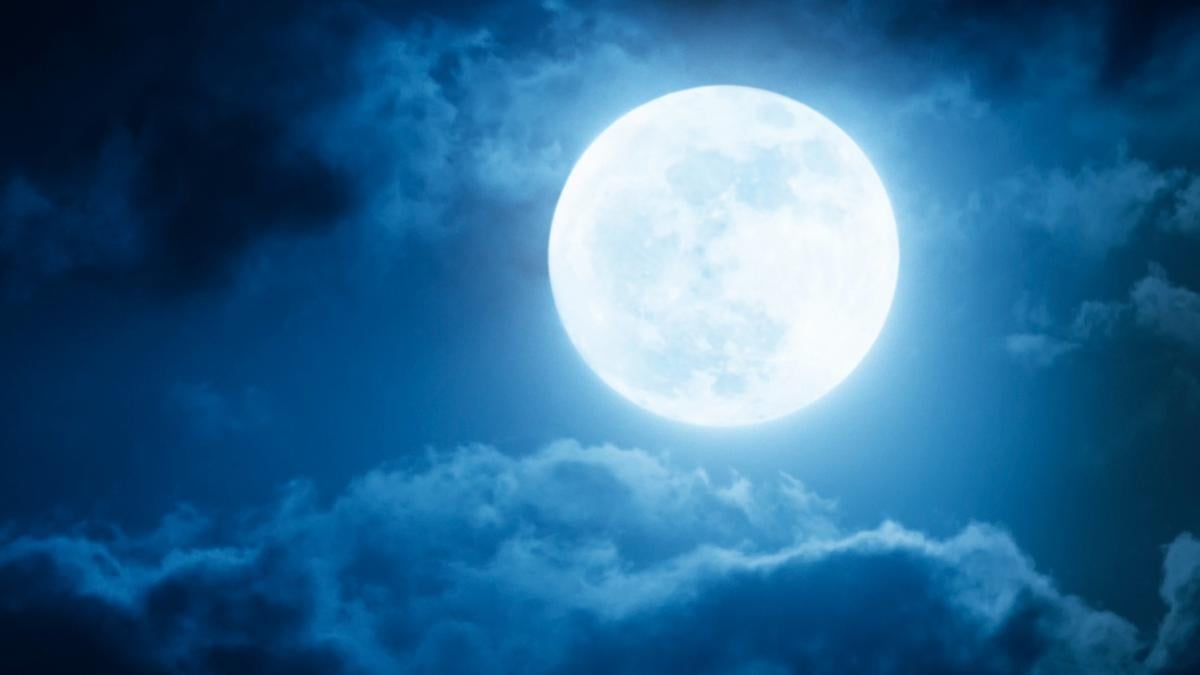 (ricardoreitmeyer / iStock)
Let’s hand it to the moon, it makes skywatching easy.
Comets and meteors may play hide-and-seek, but a full moon — as long as cloud cover cooperates — is as obvious as it gets.
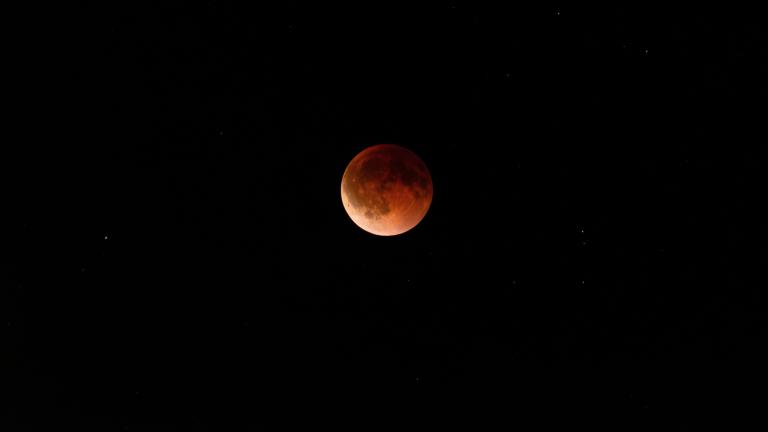
This week’s supermoon will be the year’s biggest and brightest, or at least appear that way.
Here’s how to take full advantage.
When to look?
Technically, the moon will be at 100% illumination shortly after 7 a.m. Wednesday, but it will have set at that point.
Catch it Tuesday, Wednesday or Thursday for 98-99% illumination — it will still look plenty full to the eye.
The moon appears largest at moonrise and moonset, when it’s closest to the horizon, thanks to a phenomenon called the “moon illusion.” Basically the moon looks bigger and brighter when it’s lower in the sky.
According to the folks at Time and Date, this position actually makes more of a difference, optically speaking, than how close the moon is to Earth.
But the timing of moonrise and moonset are not as consistent as sunrise and sunset. Here’s a cheat sheet:
— Tuesday, Nov. 4: moonrise, 3:54 p.m.
— Wednesday, Nov. 5: moonset, 6:40 a.m.; moonrise, 4:28 p.m.
— Thursday, Nov. 6: moonset, 8:05 a.m.; moonrise, 5:11 p.m.
What’s a supermoon?
A supermoon is a full moon that coincides with the moon reaching the point in its orbit when it’s closest to Earth — a point called perigee.
Because of this relative closeness — if you can consider this month’s perigee of 221,816 miles “close” — the moon appears 16% brighter than the average full moon.
But the term itself is completely made up.
Contact Patty Wetli: [email protected]