Politics
Pritzker: No Word From Trump on Reported Use of Suburban Naval Base to House Immigration Agents, National Guard
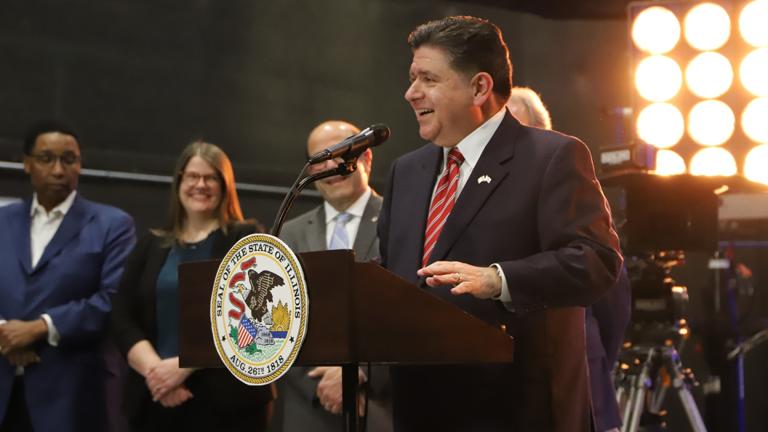
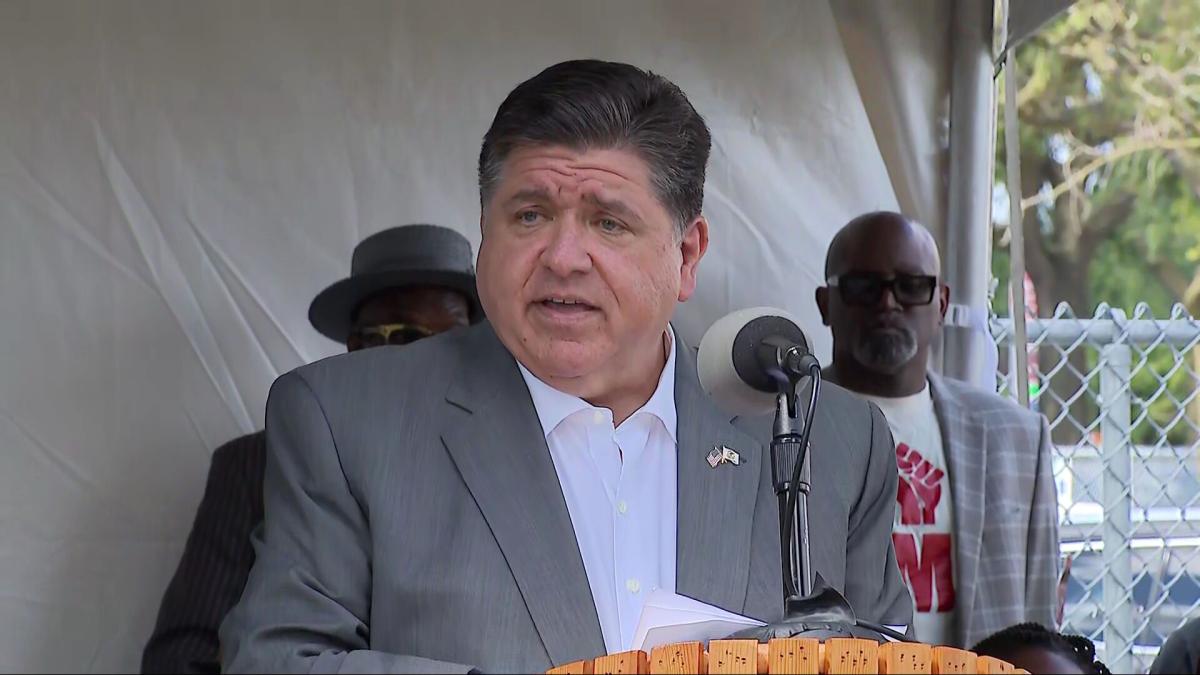 Gov. JB Pritzker speaks at an event in Maywood, Illinois, on Wednesday, Aug. 27, 2025. (WTTW News)
Gov. JB Pritzker said he’s received no word from the Trump administration following reports it may use the Naval Station Great Lakes outside Chicago to house federal immigration agents or National Guard troops who could be deployed in Illinois.
The governor on Wednesday said his office has not received any calls from the White House or federal officials regarding the suburban naval base near North Chicago after President Donald Trump has threatened to send troops into Chicago.
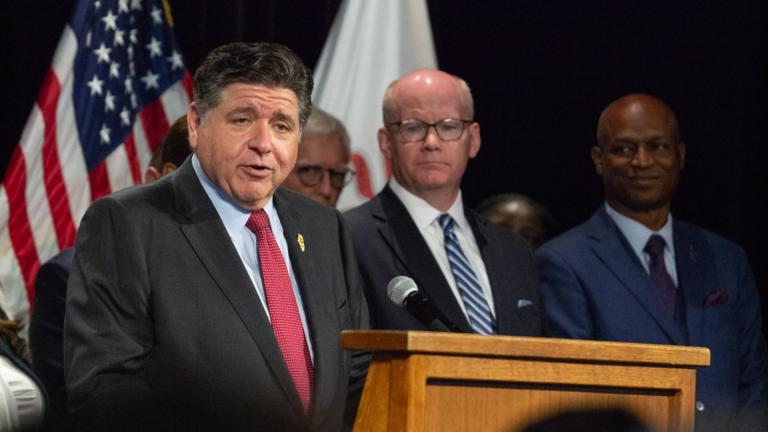
“They don’t seem to want to communicate at all,” Pritzker said following an unrelated event in Maywood. “And that’s odd, because it sounds like what they’re trying to do is to march right over local police.”
The Chicago Sun-Times on Wednesday reported that agents from the Department of Homeland Security, U.S. Immigration and Customs Enforcement and U.S. Customs and Border Protection would be housed at Naval Station Great Lakes beginning in September.
If Trump makes good on his latest threats, Chicago would join Los Angeles and Washington, D.C., and become the third American city to be occupied by federal troops deployed over the objections of local leaders. All three cities are led by Democratic mayors who are Black and have refused to help carry out Trump’s goal of implementing the “largest domestic deportation operation in American history.”
Citing an email from Navy Cpt. Stephen Yargosz to his leadership team Monday, the Sun-Times reported the feds’ operations would be “similar to what occurred in Los Angeles earlier this summer.”
Chicago and Los Angeles are also self-proclaimed sanctuary cities and have refused demands from federal officials that local law enforcement help federal agents deport undocumented immigrants.
“The attacks on Chicago and Illinois are not about safety and security, we know that,” U.S. Rep. Delia Ramirez (D-Chicago) said at a separate event Wednesday. “They are about trying to terrorize the resistance … and yet Trump and his loyalists are willing to weaponize the government against political opposition in communities because we resist his unconstitutional agendas.”
Earlier this week, Pritzker said he would not ask the president to deploy the National Guard in Chicago, and vowed to stop Trump from doing so.
Trump has targeted Chicago repeatedly, calling the city a “hell hole” while claiming local residents have asked him to help reduce crime in the city. The White House this week criticized “Democrat politicians” for appearing “far more upset about the offer of assistance than the crime epidemic in their own backyards.”
Despite those claims, Chicago has reported significant drops in violent crime this year. Shootings in the city are down more than 37% and homicides have dropped 32% compared to 2024.
Trump’s possible move — targeting states whose governors are among potential White House contenders in 2028 — would be another escalation of presidential power, directly challenging the rights of states and cities to govern themselves. It also would intensify a partisan scramble for voters’ trust on matters of public safety.
For Trump, militarizing U.S. streets is the latest tactic to support his “law and order” branding and mass deportation agenda. It’s a way to cast Democratic leaders in affected locales as weak and ineffective, even as Trump exaggerates the violence he’s ostensibly trying to stop. Pritzker “should be calling me, and he should be saying ‘Can you send over the troops please?’” Trump said Tuesday at the White House. “It’s out of control.”
Pritzker on Wednesday said much about Trump’s possible plans for Chicago remains “rumor.” He also blasted the president for defunding the violence interruption programs that would actually help drive down violent crime.
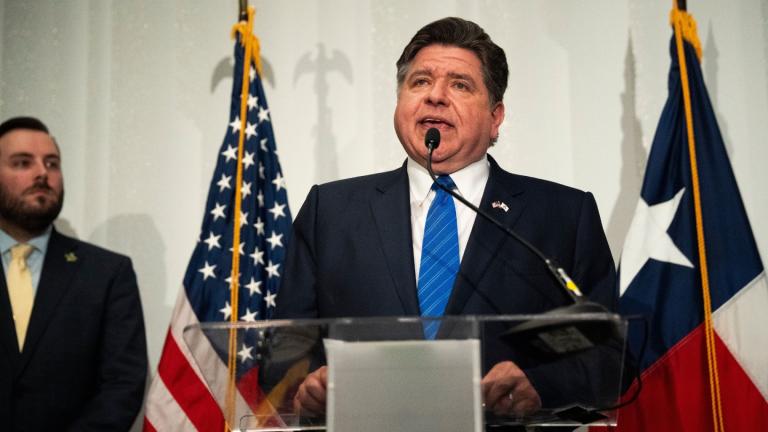
“We only know so much,” Pritzker said. “We haven’t seen troop movements yet, we also haven’t seen a call up of our National Guard, but we are on guard hoping that that does not happen.”
Heather Cherone and the Associated Press contributed to this report.