

Weather
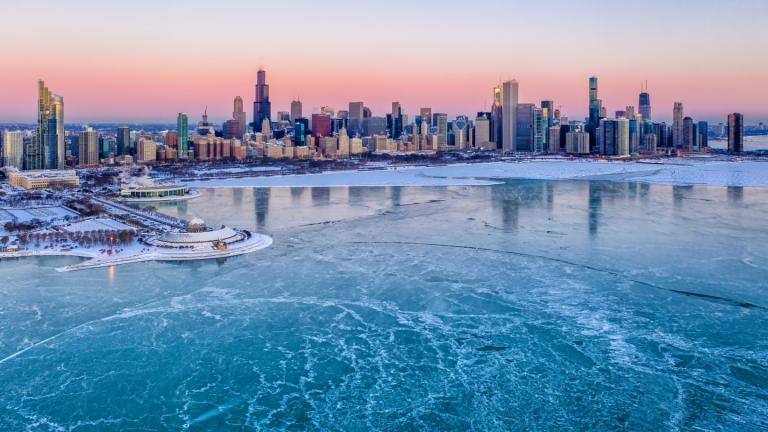
All signs are pointing to a very strong or “super” El Niño event shaping up in the Pacific Ocean, which will affect Chicago's upcoming winter in ways forecasters are beginning to predict.
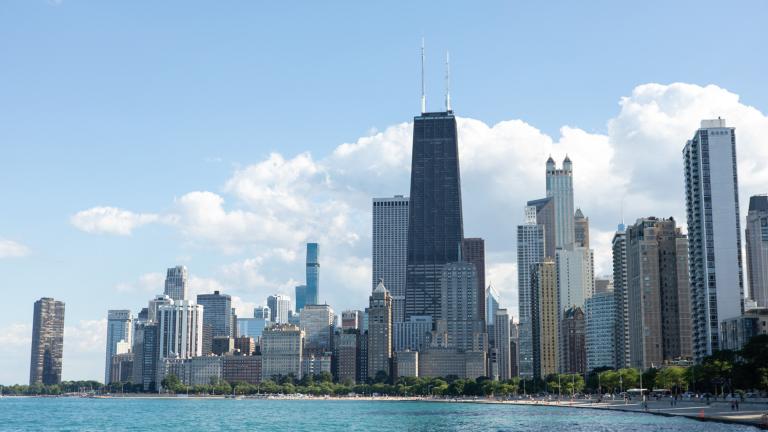
Chicago basked in rare October heat Monday, setting a new daily record high temperature of 88 degrees, blowing past the old record of 84, according to the National Weather Service.
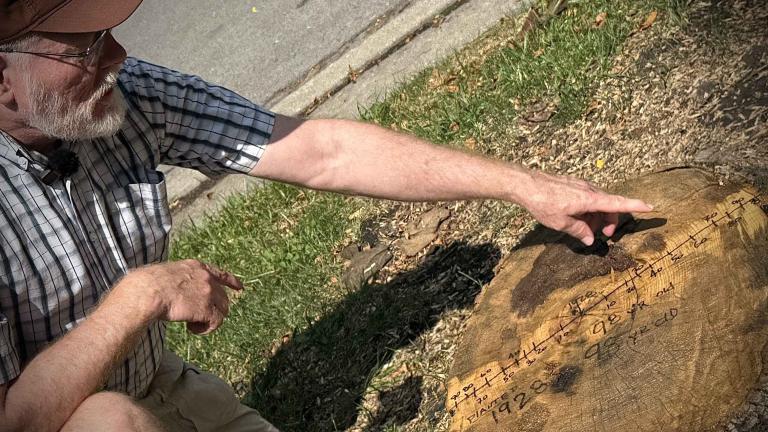
What’s so eye-catching about dead wood? A stump in a Chicago neighborhood has been turned into a tribute to longevity.
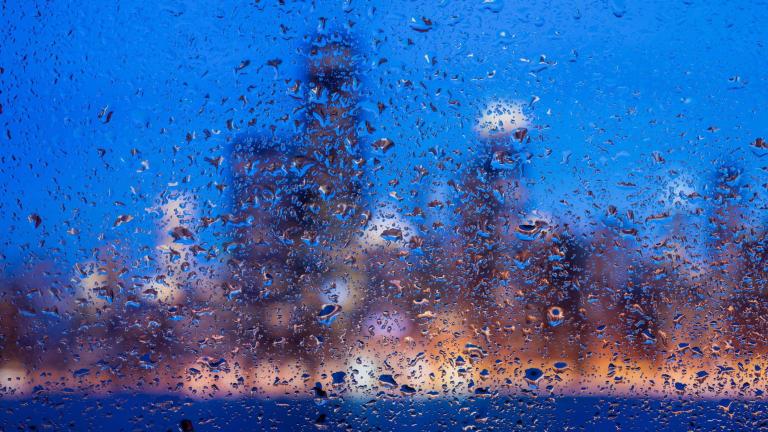
The Chicago region is drying out after a soggy stretch that saw multiple rounds of storms dump upwards of half a foot of rain on some municipalities.
The Trump administration denied Illinois’ two most recent requests for disaster help last year.

Chicago Public Schools is canceling all outdoor activities Thursday unless they can be moved inside amid another day of extreme heat across the city.
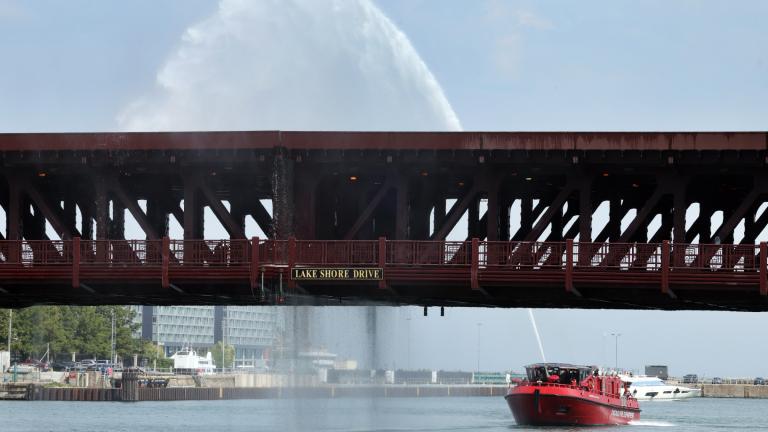
Wednesday is expected to be a repeat of Tuesday, when the heat index reached 106 degrees at Chicago's Midway Airport and 103 degrees at O'Hare.
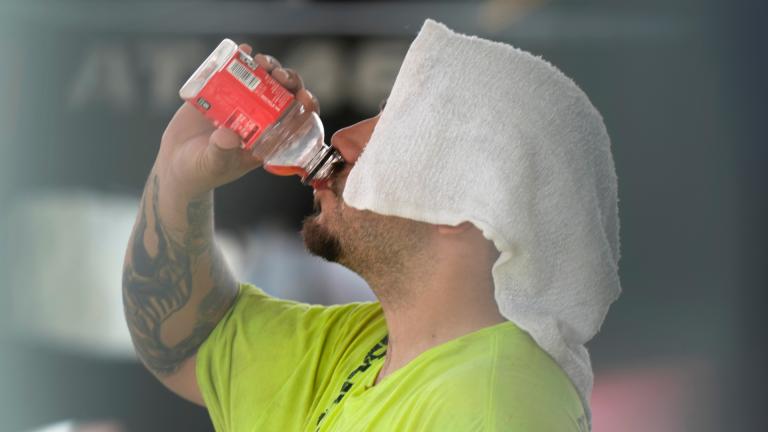
When the temperature heats up, so do emergency rooms, according to a massive study of Chicago hospital and urgent care records.

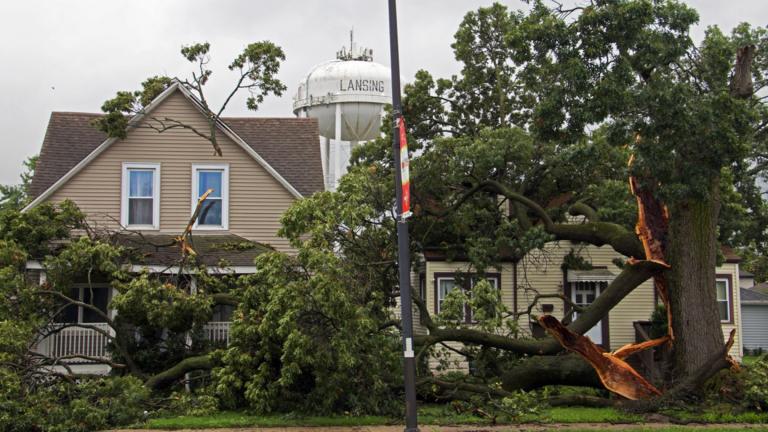
Tuesday will mark two weeks since a derecho swept through Illinois and northwest Indiana, with winds damaging homes, uprooting trees and knocking out power for hundreds of thousands.
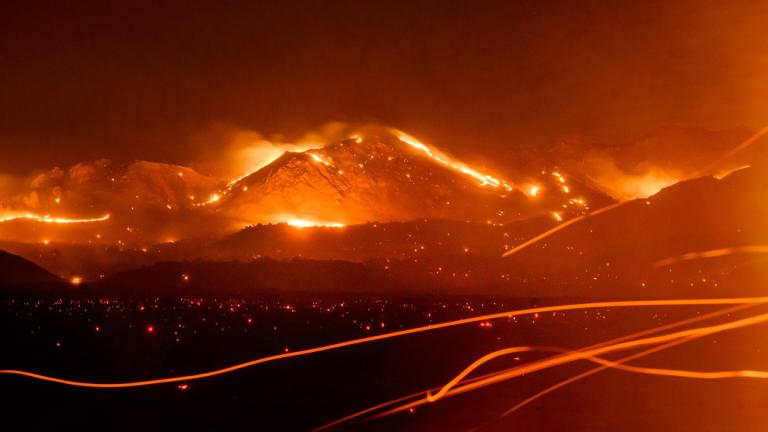
Scientists have long warned that the world will experience more intense extreme weather events like heat waves, storms, floods and droughts. But what once seemed like the realm of fiction is now discussed as a possibility, even an inevitability.
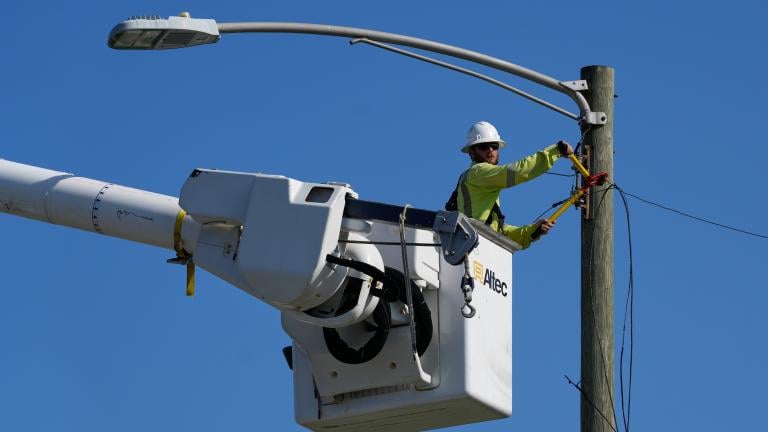
Thousands of those affected by this month’s damaging downpours and ongoing power outages have joined a class action lawsuit targeting Indiana’s largest power utility, claiming it neglected “foreseeable and preventable” issues prior to the storms.
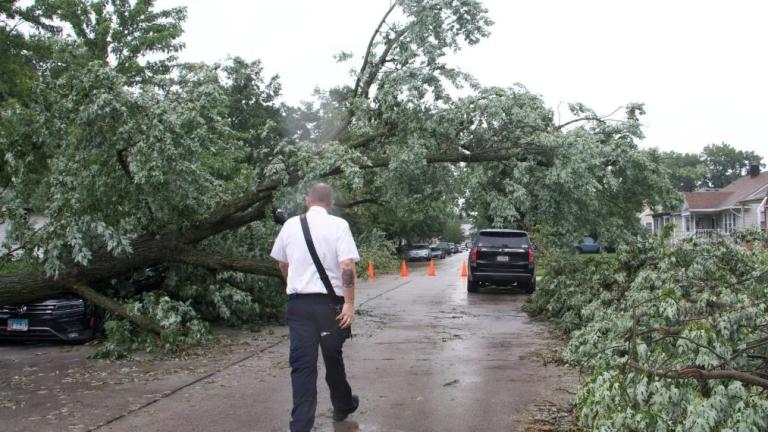
Gov. JB Pritzker issued a proclamation Tuesday to bring financial help to 15 Illinois counties pounded by severe and record-breaking storms over recent weeks.
The legislation was passed in response to significant flooding on the Southwest Side of Chicago last summer. The federal government denied Illinois’ request for disaster assistance following the event, leaving many homeowners short on financial resources.
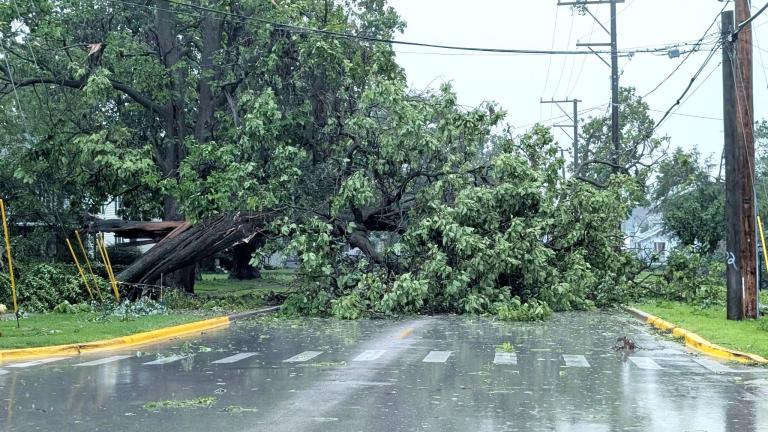
The National Weather Service Storm Prediction Center preliminarily confirmed Tuesday's widespread storms as a derecho.
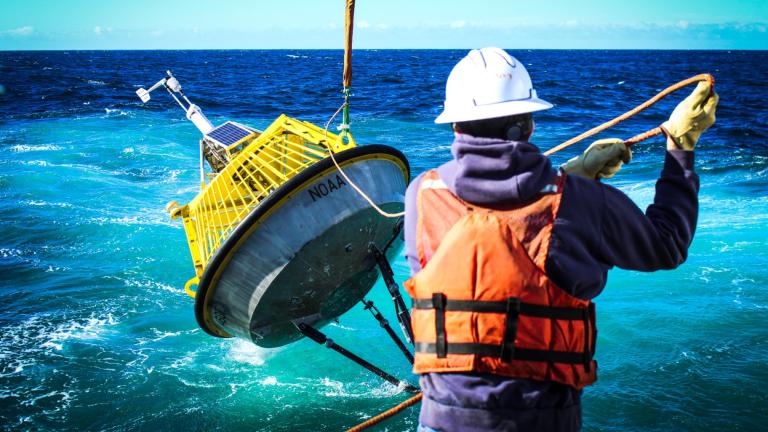
Between tornadoes, wildfire smoke, flooding and heat, the weather in Chicago this summer has been nothing short of extreme. But winter is coming.
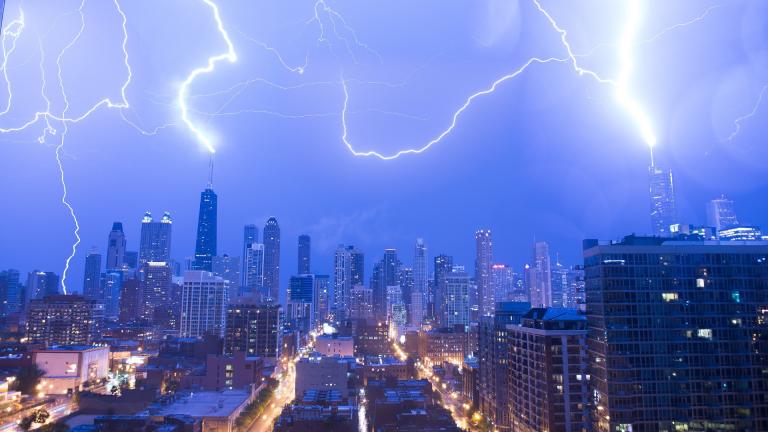
The Chicago area was under a tornado warning Tuesday morning, as fast-moving storms swept into the region.
Trending
Pair of Chicago Elementary Schools Named Top in Illinois in New U.S. News Rankings

Mother-Son Reunions Among Latest Milestones for Shedd’s Rescued Belugas

Migration Mass Casualty With At Least 1,000 Birds Injured or Killed This Weekend in Chicago and on Northwestern’s Campus

Giannoulias, Quigley, Wilson — But Not Johnson — Among First to File Signatures Ahead of Chicago’s February Mayoral Election

Early Voting for November General Election Expands in Chicago, Suburban Cook County

Sign up for the WTTW News newsletter