

Hurricane
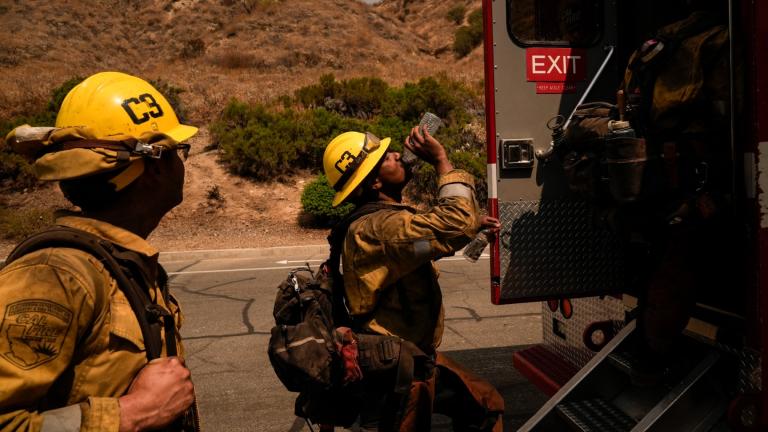
It’s the first time in recorded history that the planet was above a hoped-for limit to warming for an entire year, according to measurements from four of the six teams. Scientists say if Earth stays above the threshold long-term, it will mean increased deaths, destruction, species loss and sea level rise from the extreme weather that accompanies warming.
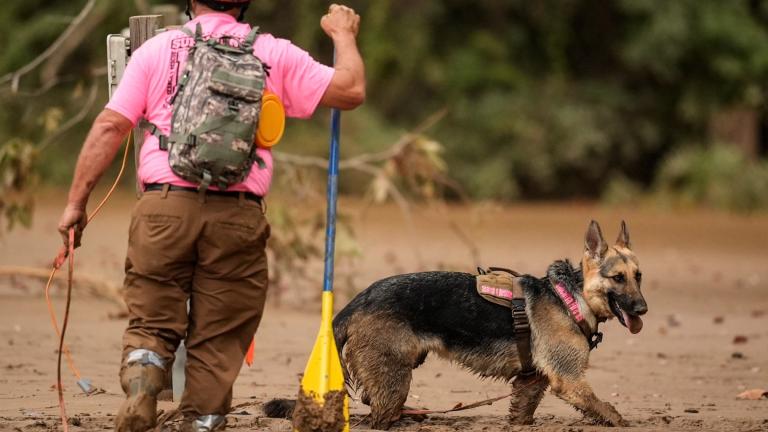
With Helene’s death toll nearing 150, searchers fanned out across the region, using helicopters to get past washed-out bridges and hiking through wilderness to reach isolated homes.
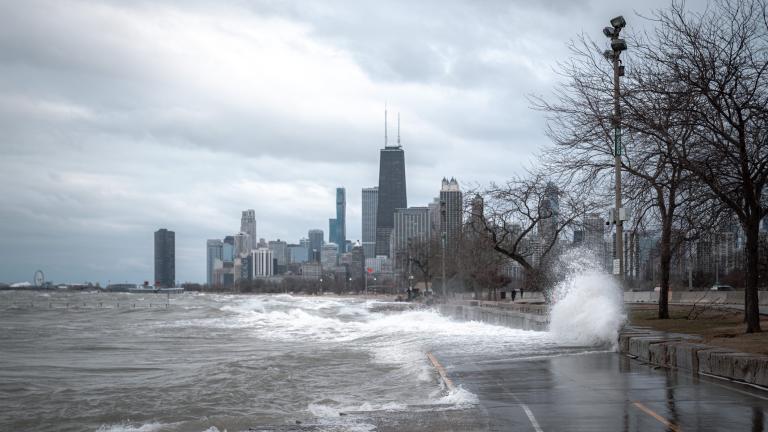
The National Weather Service is forecasting the worst to hit late Friday afternoon. Expect strong wind gusts from the northeast, reaching 45 to 55 miles per hour.

The U.S. has been thrashed with 11 extreme weather disasters with costs exceeding $1 billion so far this year, with a total price tag of $25.1 billion, according to an updated tally from the National Oceanic and Atmospheric Administration. It’s tied for the second-most such disasters on record and doesn’t even include the extreme weather in the second half of May, said Adam Smith, an applied climatologist with NOAA.
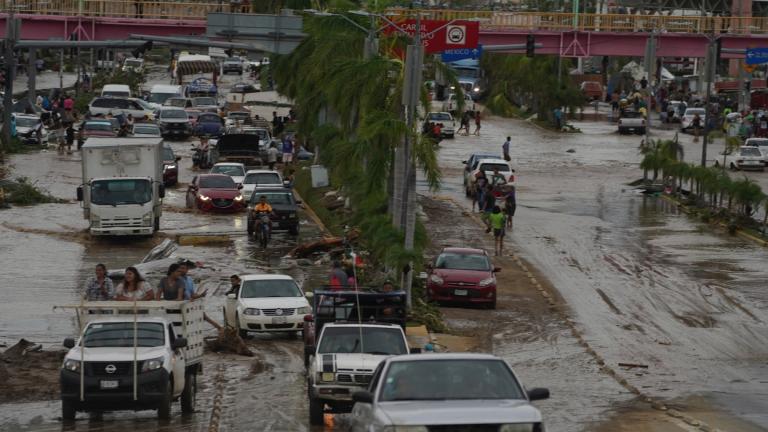

Survivors of a Category 5 storm that killed at least 27 people as it devastated Mexico’s resort city of Acapulco spent Thursday searching for acquaintances and necessities and hoping that aid would come quickly in the wake of Hurricane Otis.
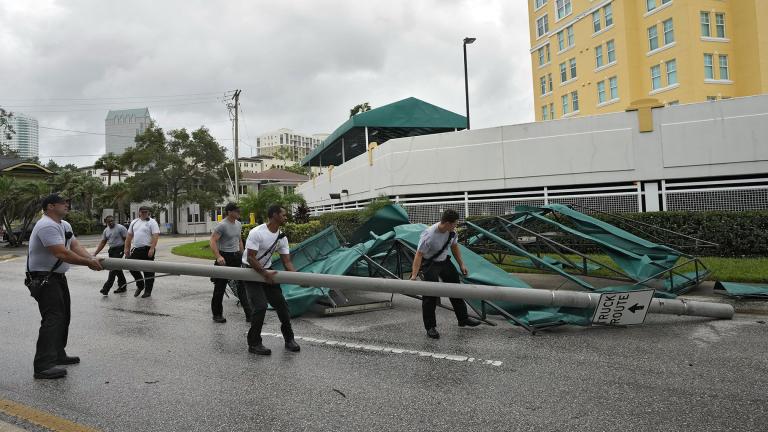
As the eye moved inland, high winds shredded signs, blew off roofs, sent sheet metal flying and snapped tall trees. One person was killed in Georgia. No hurricane-related deaths were officially confirmed in Florida, but the Florida Highway Patrol reported two people dying in separate weather-related crashes just hours before Idalia made landfall.
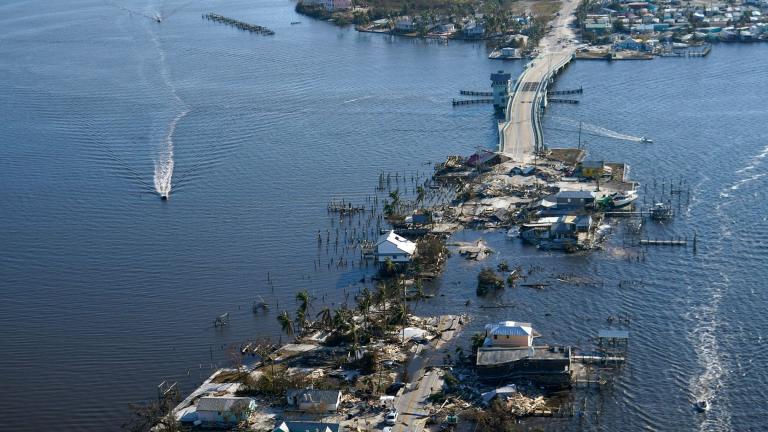
Florida, with nearly four dozen reported dead, was hit hardest by the Category 4 hurricane, one of the strongest to make landfall in the United States. Flooded roadways and washed-out bridges to barrier islands left many people isolated amid limited cellphone service and a lack of basic amenities such as water, electricity and the internet.
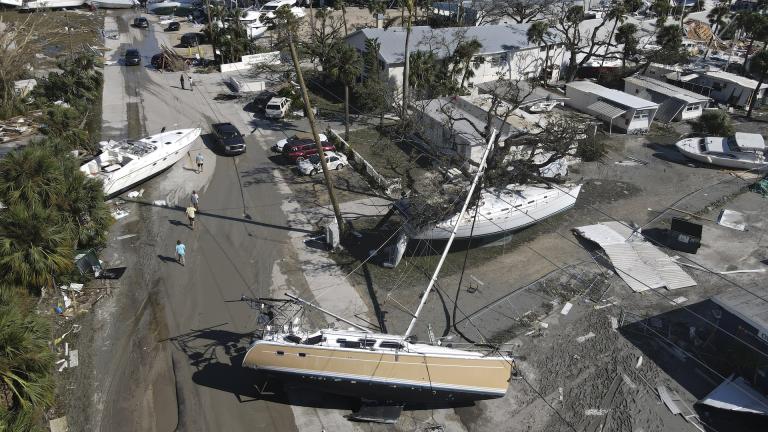
With South Carolina’s coast under a hurricane warning, many left Charleston for higher ground and store owners used sandbags to ward off high water levels in an area prone to inundation.
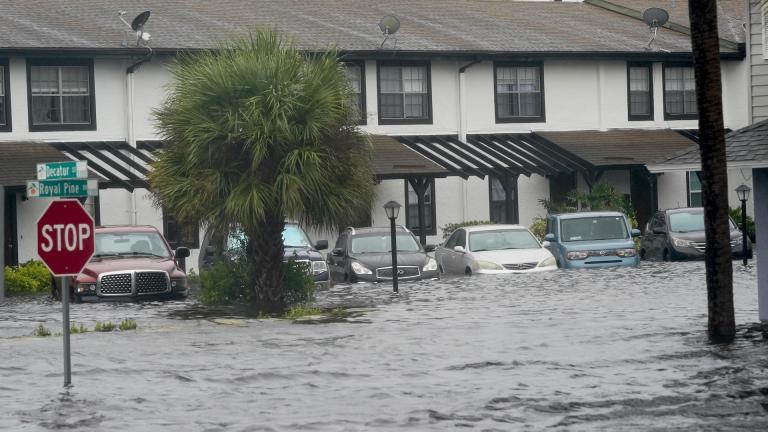
Floods Trap Many in Florida, Knock Out Electricity for 2.6M as Hurricane Ian Heads to South Carolina
Floodwaters rose waist-high near Orlando as one of the strongest hurricanes to ever hit the United States crossed the peninsula. Ian's tropical-storm-force winds extended outward up to 415 miles, drenching much of Florida and the southeastern Atlantic coast.
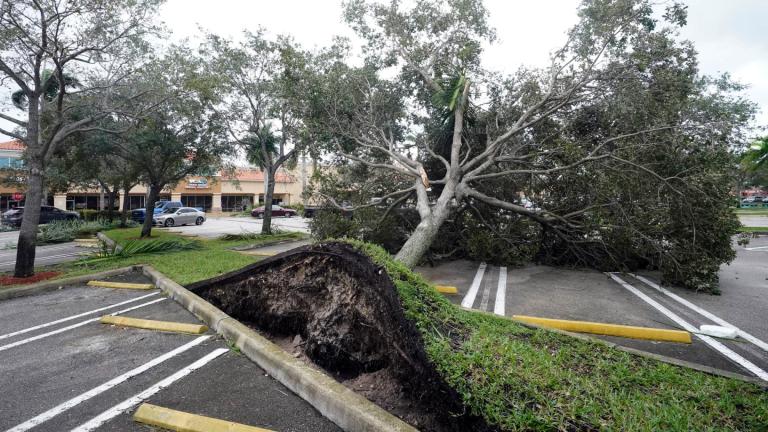
About 2.5 million people were ordered to evacuate southwest Florida before the storm hit the coast with maximum sustained winds of 150 mph. It was heading inland, where it was expected to weaken, at about 9 mph, but residents in central Florida could still experience hurricane-force winds.
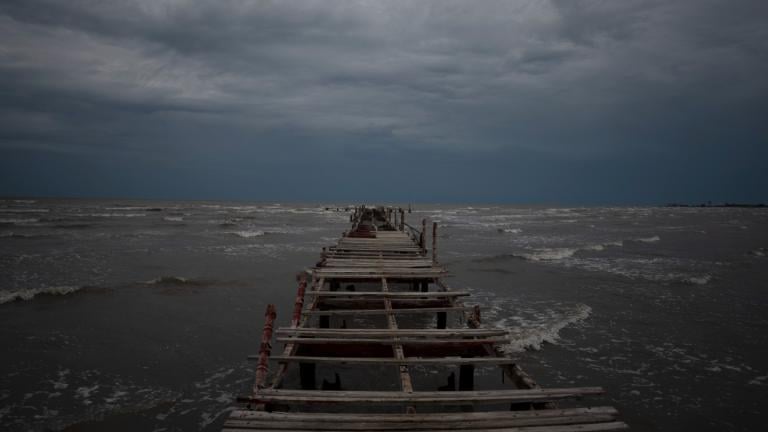
Ian was forecast to hit the western tip of Cuba as a major hurricane and then become an even stronger Category 4 with top winds of 140 mph over warm Gulf of Mexico waters before striking Florida. As of Monday, Tampa and St. Petersburg appeared to be among the most likely targets for their first direct hit by a major hurricane since 1921.
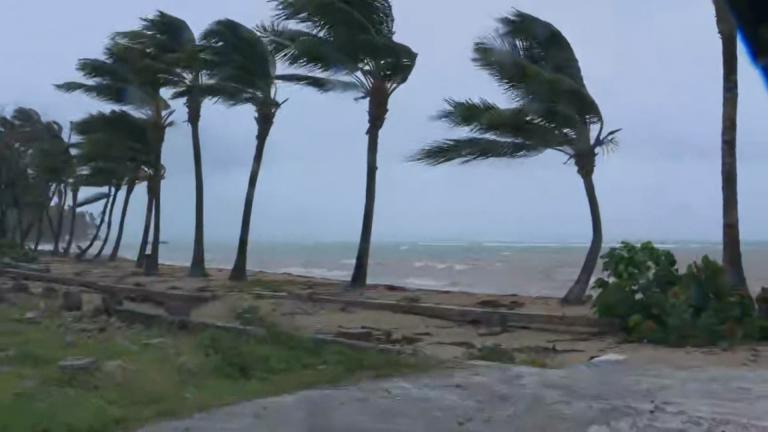
Hurricane Fiona swept through Puerto Rico last weekend leaving millions without power. Now, residents are left to recover and rebuild once again. In Chicago, local organizations and officials are coming together to support people on the island.
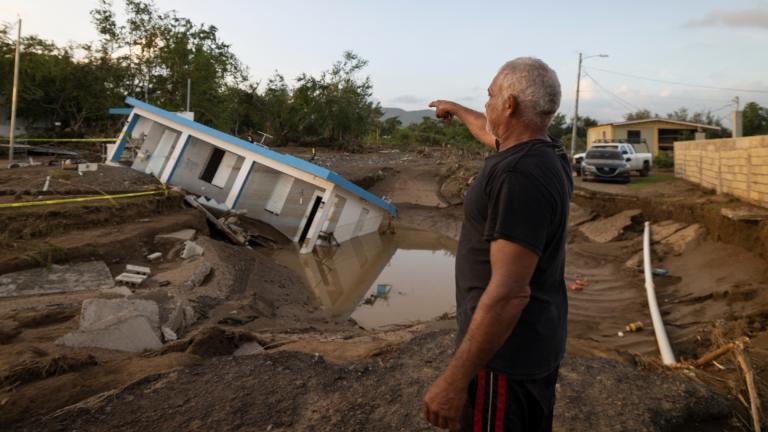
More than 60% of power customers in Puerto Rico remained without energy on Thursday, and a third of customers were without water — and local officials admitted they could not say when service would be fully restored.
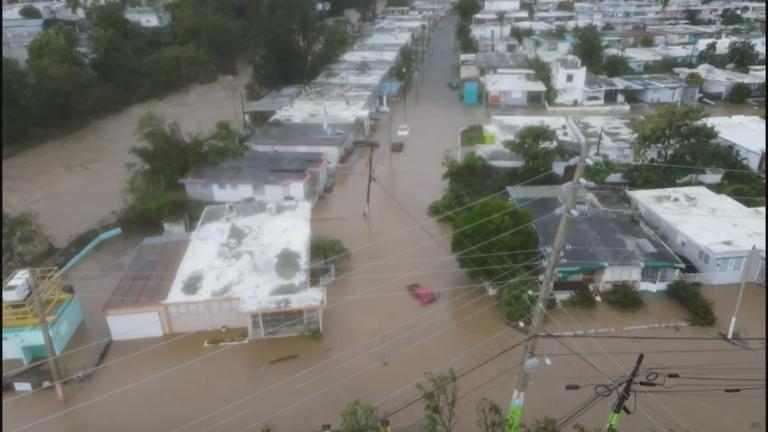
As Puerto Rico is battling the devastation caused by Hurricane Fiona, Chicago-area residents of Puerto Rican descent say the storm calls attention to past wrongs and opportunities for change.
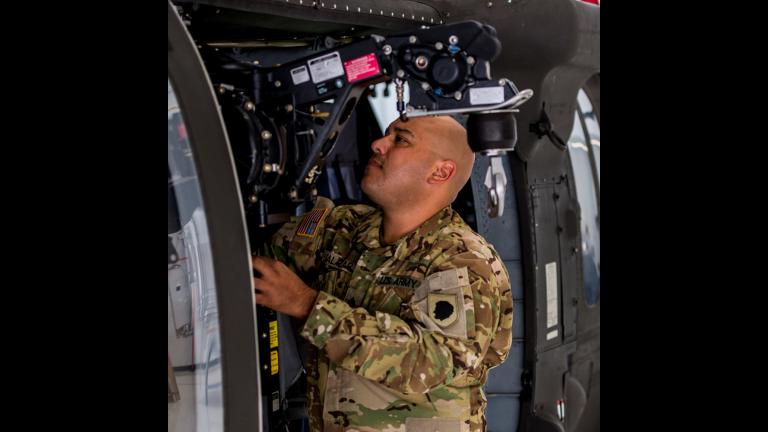
Ten soldiers from the Illinois Army National Guard have been deployed to North Carolina to support relief efforts during and after Hurricane Florence.

As Puerto Ricans recover from extensive damage caused by Hurricane Maria, students from the island can now get a discount at one Chicago university.
Trending
Mother-Son Reunions Among Latest Milestones for Shedd’s Rescued Belugas

Republican Ohio Gov. Mike DeWine Denounces Ramaswamy Ad Featuring Democrat Amy Acton’s Estranged Mother

Chicago to Test New Gunshot Detection System in 6 South, West Side Districts: Johnson

CTA to Suspend Loop Elevated Train Service This Weekend for Track Maintenance

Mayor Johnson Again Proposes Corporate Tax Hikes to Bridge Budget Gap; Says City Must Borrow $481M to Resolve Police Misconduct Lawsuits

Sign up for the WTTW News newsletter