

NASA
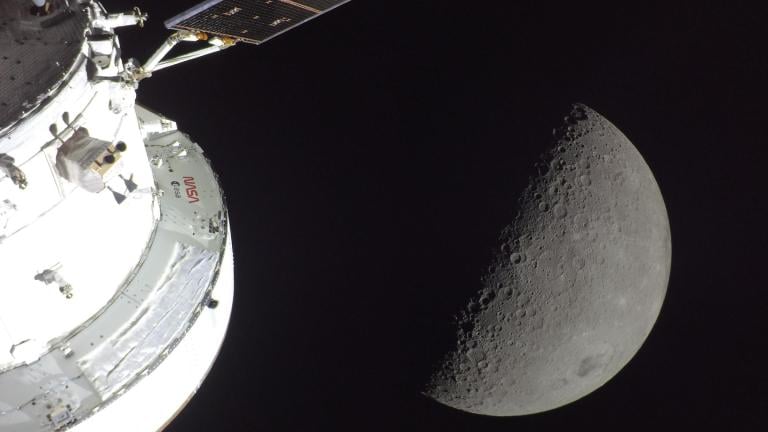

NASA’s 10-day Artemis II mission showed off the rigor and precision that has made the agency a household name.
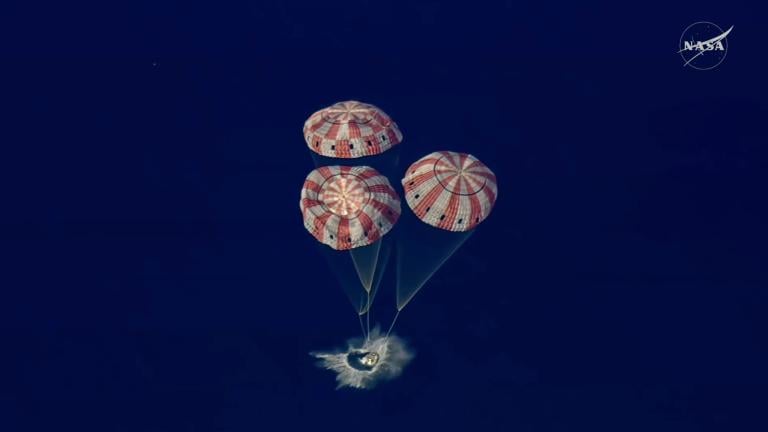
It was a triumphant homecoming for the crew of four whose record-breaking lunar flyby revealed not only swaths of the moon’s far side — never seen before by human eyes — but a total solar eclipse.
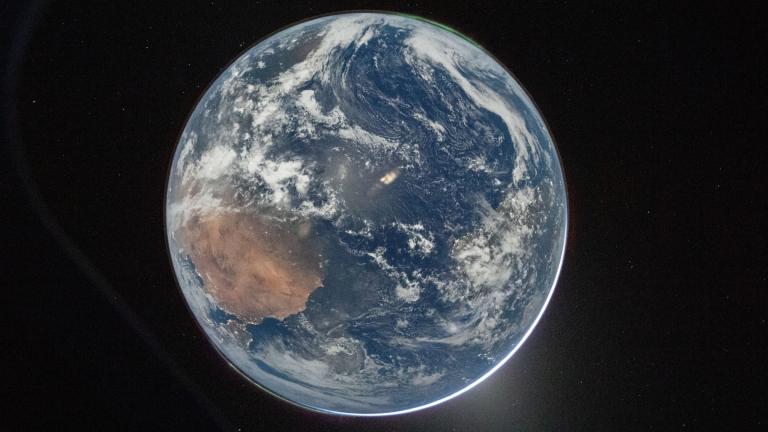
NASA released the crew’s first downlinked images Friday, 1 1/2 days into the first astronaut moonshot in more than half a century.
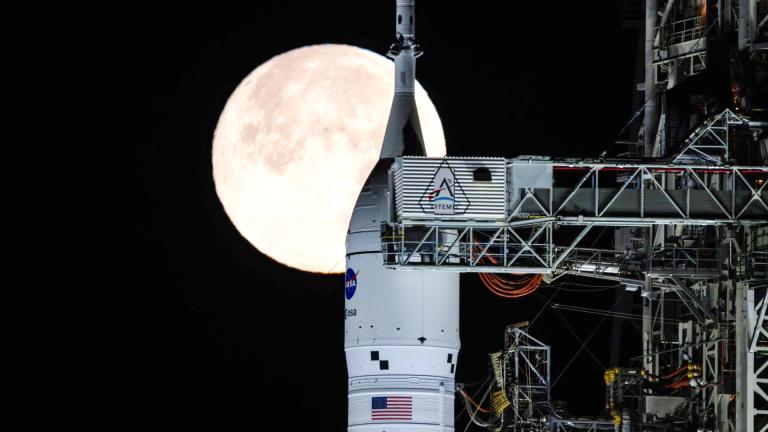
If the weather holds, NASA will send four astronauts into space today on a 10-day mission to the moon and back, something the agency hasn't done in more than 50 years.

As NASA’s Artemis mission prepares to return humans to the moon and establish a permanent lunar base, three University of Illinois Chicago students are playing their own small part to make that happen.

Jim Lovell was the commander of the Apollo 13 mission. The dramatic story of those astronauts returning to earth after major mechanical problems in space was made into a hit movie starring Tom Hanks as Lovell.

James Lovell, the commander of Apollo 13 who helped turn a failed moon mission into a triumph of on-the-fly can-do engineering, has died. He was 97. Lovell died Thursday in Lake Forest.

A group of 287 scientists and current and former NASA employees has issued a declaration lambasting budget cuts, grant cancellations and a “culture of organizational silence” that they say could pose a risk to astronauts’ safety.

A collision observed between two black holes, each more massive than a hundred suns, is the largest merger of its kind ever recorded, according to new research. Gravitational waves were predicted by Albert Einstein in 1915 as part of his theory of relativity, but he thought they were too weak to ever be discovered by human technology.
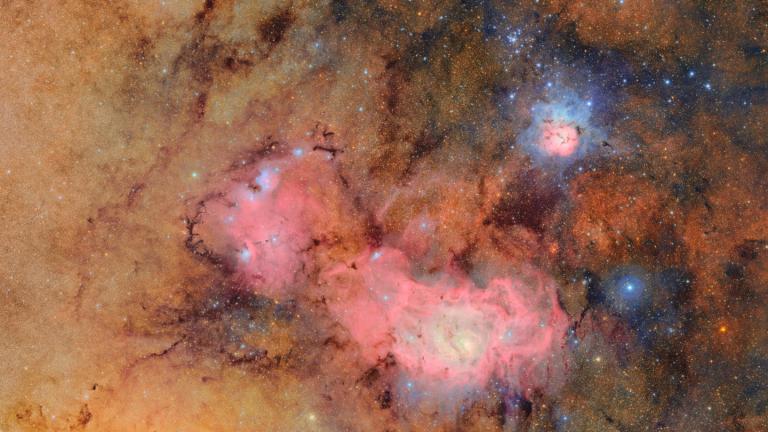
The Vera C. Rubin Observatory, located on a mountaintop in Chile, was built to take a deeper look at the night sky, covering hidden corners. Funded by the U.S. National Science Foundation and U.S. Department of Energy, it will survey the southern sky for the next 10 years.

The dazzling panoramic shot released Wednesday of the Sculptor galaxy by a telescope in Chile is so detailed that it’s already serving as a star-packed map.
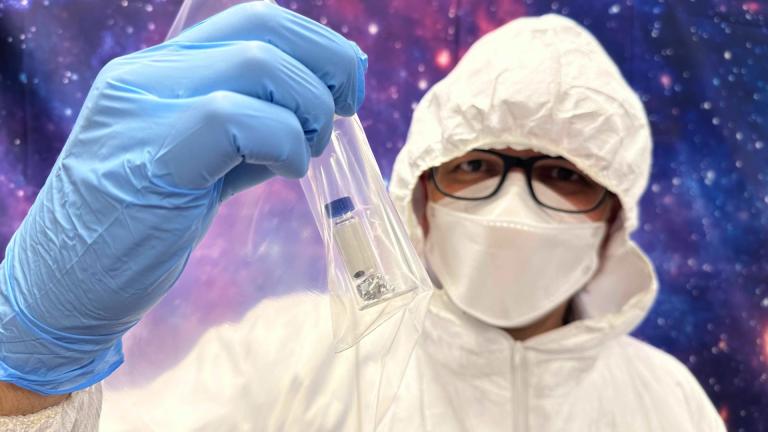
A space rock the color of coal and no larger than a pebble you’d shake from a shoe just arrived at the Field Museum, where scientists will spend the next two months probing this extraordinary specimen for clues to the origin of life on Earth.

As the Trump administration cut billions of dollars in federal funding to scientific research, thousands of scientists in the U.S. lost their jobs or grants — and governments and universities around the world spotted an opportunity.
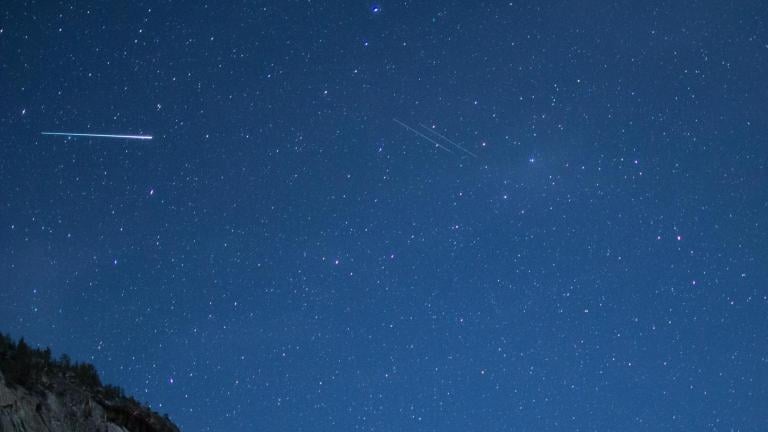
Bits and pieces of Halley’s Comet, which last swung by Earth in 1986, will be visible as meteors in upcoming days. The Aquarid meteor shower will peak in the pre-dawn hours of May 5 and 6.
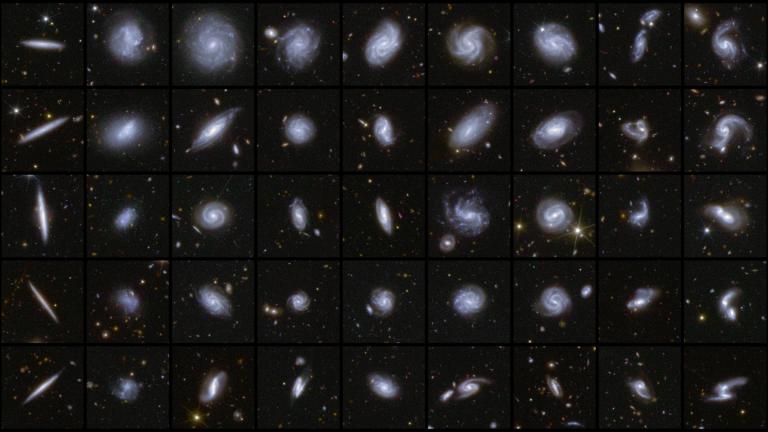
The images and other information released Wednesday by the European Space Agency’s Euclid observatory includes a preview of three cosmic areas that the mission will spy in finer detail, mapping the shapes and locations of galaxies billions of light years away.
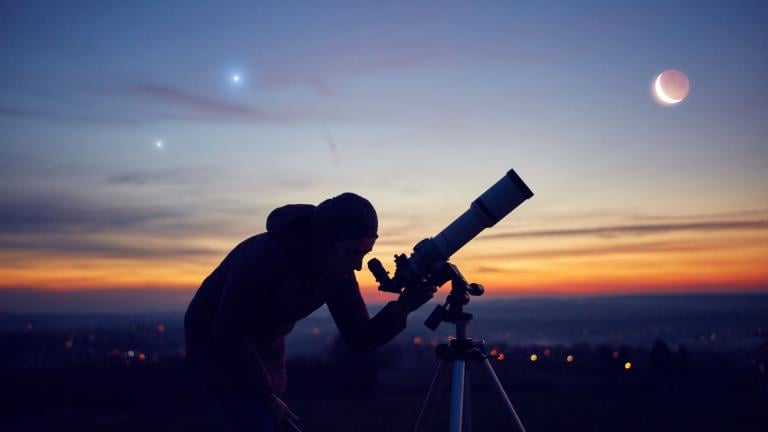
We separate fact from hype about the upcoming “planet parade.”
Trending
Pair of Chicago Elementary Schools Named Top in Illinois in New U.S. News Rankings
Mother-Son Reunions Among Latest Milestones for Shedd’s Rescued Belugas

Migration Mass Casualty With At Least 1,000 Birds Injured or Killed This Weekend in Chicago and on Northwestern’s Campus

Giannoulias, Quigley, Wilson — But Not Johnson — Among First to File Signatures Ahead of Chicago’s February Mayoral Election

Early Voting for November General Election Expands in Chicago, Suburban Cook County

Sign up for the WTTW News newsletter