

Trent Ford
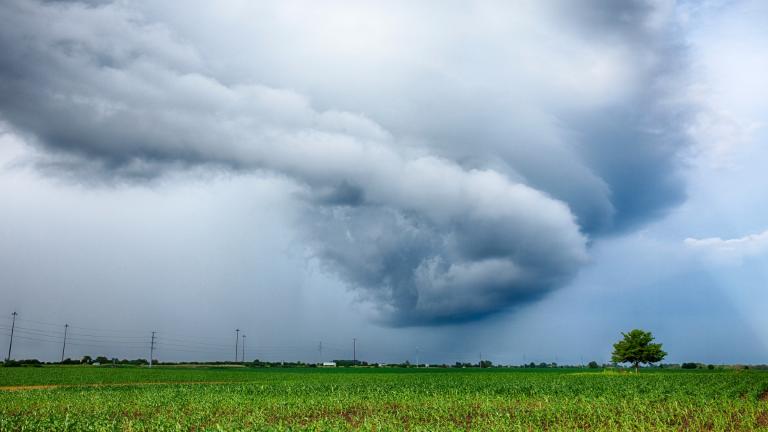
It’s part of a four-year upwards trend that experts say is mostly normal weather variation but could be part of long-term severe weather increases related to climate change.
Water supplies vary across the state because different regions rely on different sources, and some water is easier to access than in other regions.

The National Weather Service issued an air quality alert for the city on Thursday and kept extending it through Sunday night. There was no alert Monday.
The National Weather Service in Chicago has so far reported 31 tornadoes in one storm event — surpassing the previous daily record of 22 measured just last year. While there’s debate over how these storms should be defined — researchers are looking into the factors leading to extreme weather and how to protect communities.
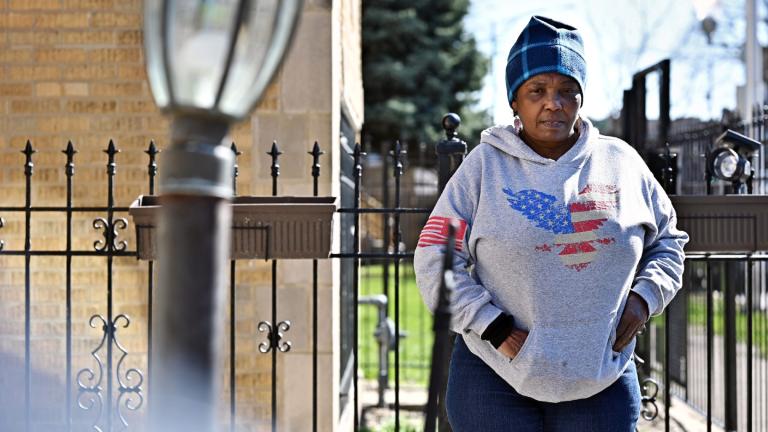
Flooding is the state’s most threatening natural disaster and touches every corner in Illinois, but communities of color and poorer areas often face the greatest risk — particularly in the city of Chicago and greater Cook County. Sewer and stormwater infrastructure can often no longer handle the onslaught of water that comes from these heavy rainfalls, experts told Illinois Answers.
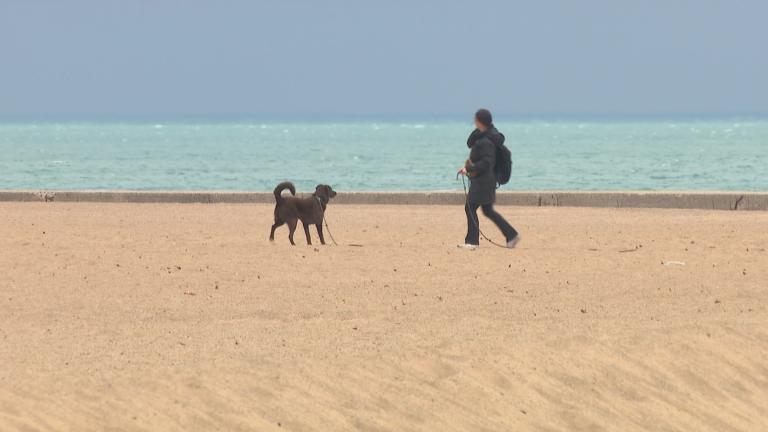
Temperatures reached a high of 57 degrees in Chicago on Thursday. As the city experiences an El Nino year, 2024 is seeing temperatures about 1 to 3 degrees above average.
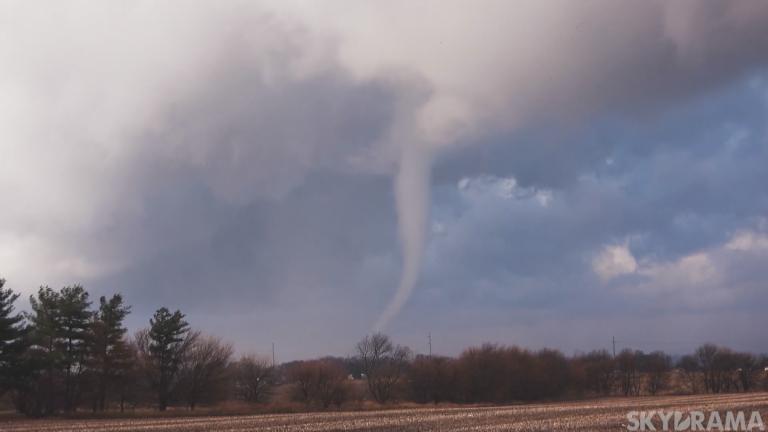
Illinois has seen 107 tornadoes in 2023, according to the National Weather Service. That makes it the state with the most tornadoes this year. While Illinois holds this title, scientists caution the thought of adding the Prairie State to Tornado Alley.
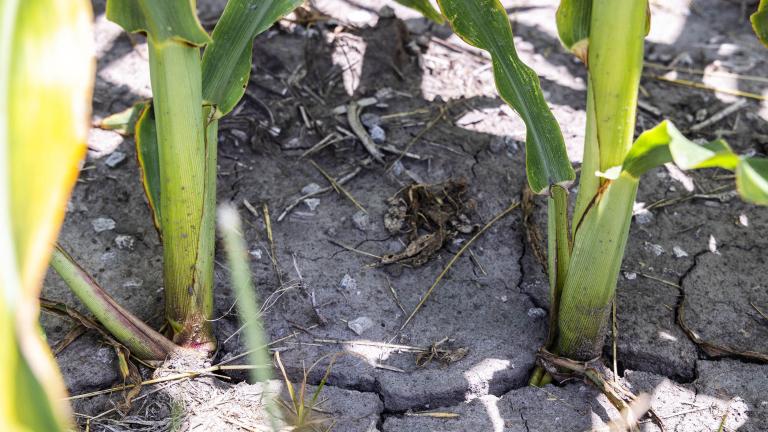
June is expected to go down as one of the 10 driest months in the state’s history. Farmers are already seeing an impact on their crops and consumers are likely to see an impact soon.
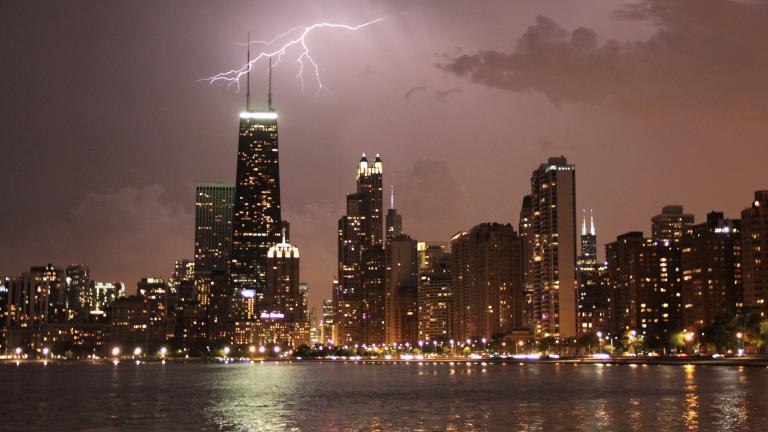
Thunderstorms are as much a part of the rhythm of summer in Chicago as cookouts, baseball and street festivals. And they’ve been missing in 2023.
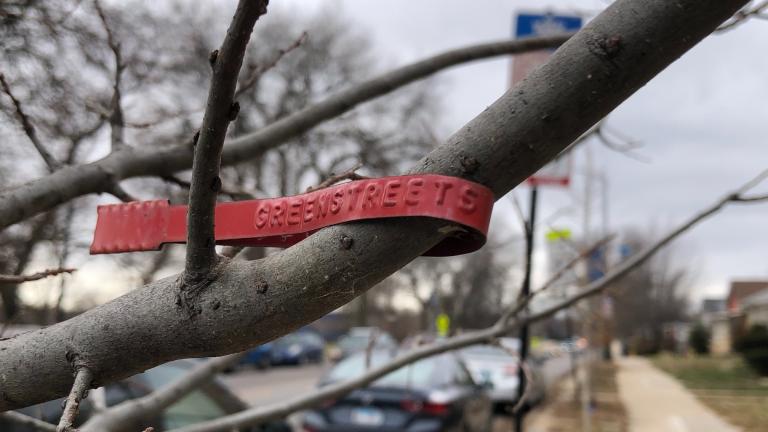
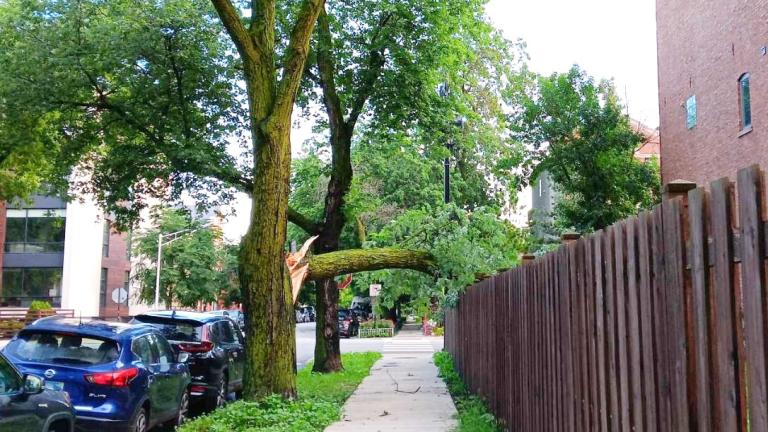
When it comes to alleviating the impacts of climate change, trees have been promoted as the ultimate “green infrastructure.” But trees are living organisms, and they can be sensitive to some of the same climate stressors as people. But just how sensitive?
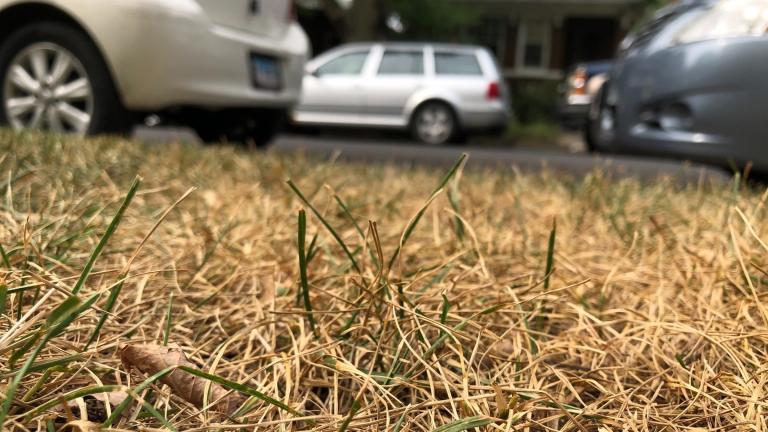
State climatologist Trent Ford said conditions aren't alarming, yet, but if June isn't signficantly wetter than May, there's cause for concern.
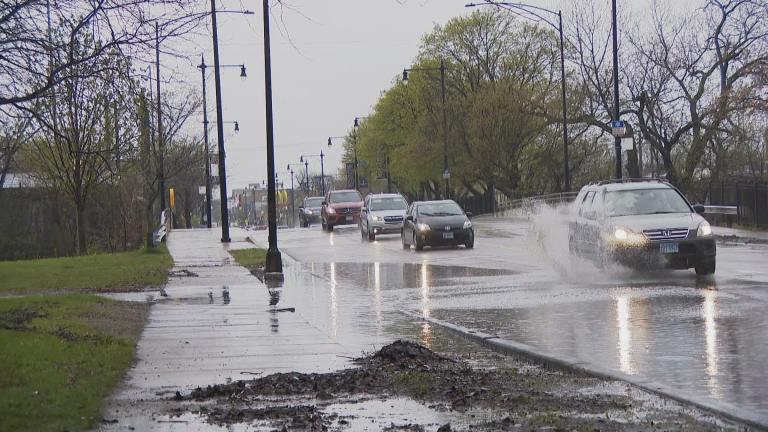
Some counties in south central Illinois have seen some of their highest July and August rain totals on record. Recently, Effingham recorded between 10 to 11 inches of rain in a single day.
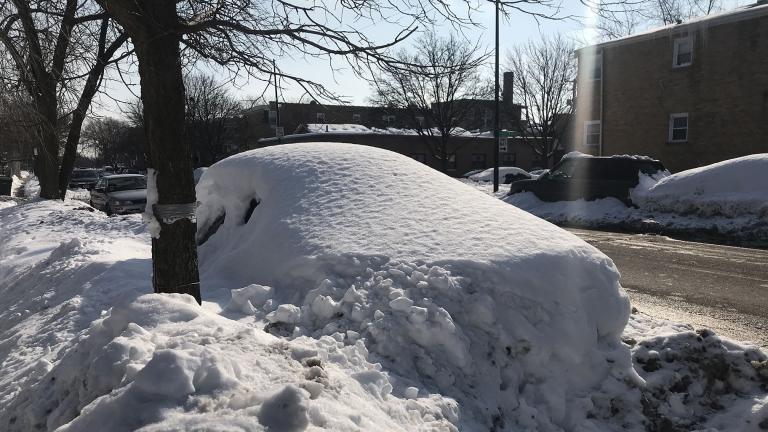
“The many challenges of COVID-19, coupled with the inconvenience of life-threatening conditions that cold weather and extreme weather brings every year, that means we’ve got to utilize every tool that we can to protect the health and well-being of our residents,” Mayor Lori Lightfoot said Monday.
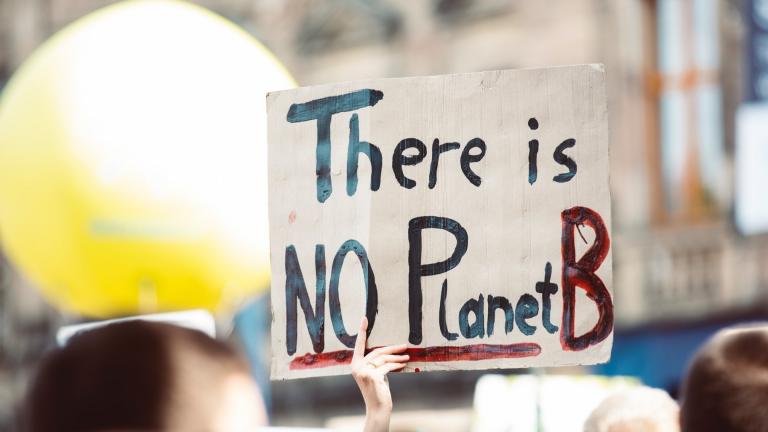
A highly anticipated report from the Intergovernmental Panel on Climate Change states in the plainest terms yet that the window of opportunity to avert disaster is narrow, and closing.
Trending
Pair of Chicago Elementary Schools Named Top in Illinois in New U.S. News Rankings

Mother-Son Reunions Among Latest Milestones for Shedd’s Rescued Belugas

Migration Mass Casualty With At Least 1,000 Birds Injured or Killed This Weekend in Chicago and on Northwestern’s Campus

Early Voting for November General Election Expands in Chicago, Suburban Cook County
Republican Ohio Gov. Mike DeWine Denounces Ramaswamy Ad Featuring Democrat Amy Acton’s Estranged Mother
Sign up for the WTTW News newsletter