

Medical Research
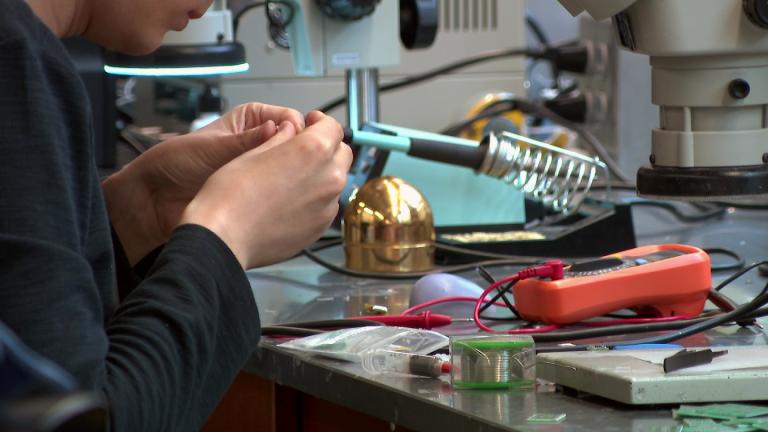

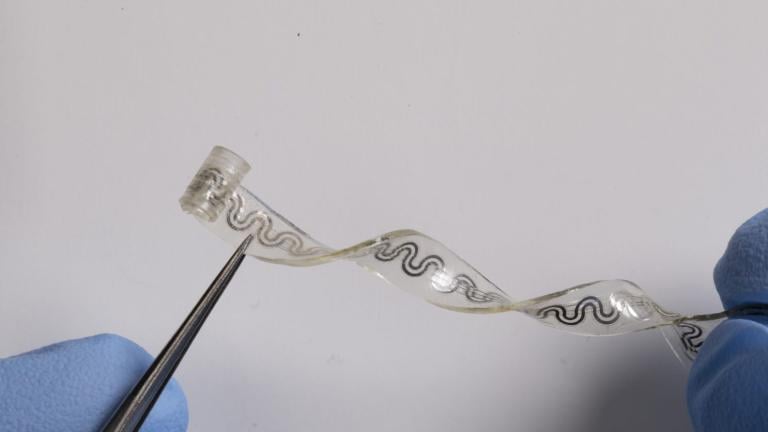
From flexible electronic monitors the size of a Band-Aid to tiny pacemakers that dissolve harmlessly in the body when no longer needed — the work of the Querrey Simpson Institute of Bioelectronics at Northwestern University at times seems truly miraculous.

One trial is seeking to discover whether the drug metformin could help prevent lung cancer. Another trial is testing a vaccine combination to prevent cancer in people with Lynch syndrome.
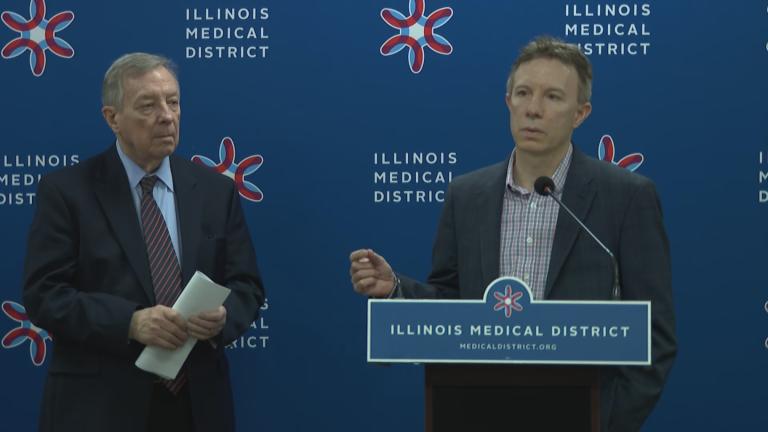
“At a time of such political division, Americans need to find common ground,” said Dr. Scott Oakes, who studies the role of cells in diseases at the University of Chicago. “We should all agree that medical research is one of those areas where we can all come together.”
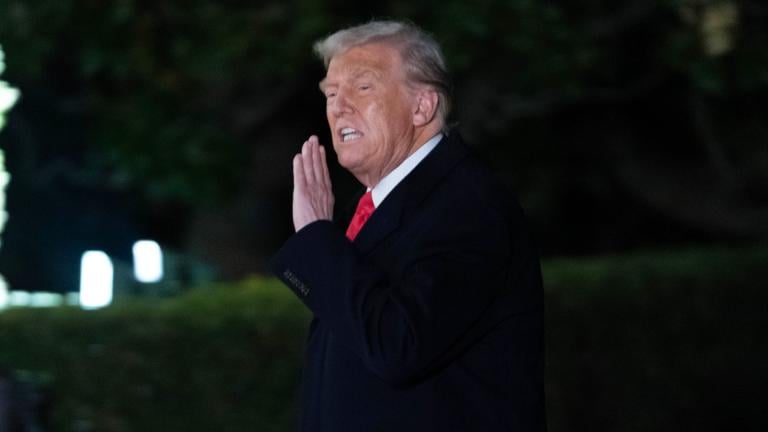
The lawsuit filed in federal court in Boston challenges the Trump administration, the Department of Health and Human Services and the National Institutes of Health over efforts to reduce funding that goes to so-called indirect costs — including lab, faculty, infrastructure, and utility costs.
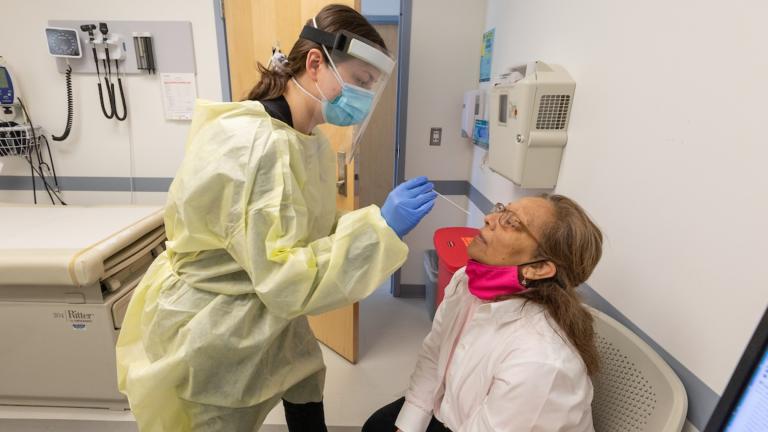
Ongoing research efforts come as many long COVID patients have already exhausted available treatment options and are now left to manage and live with a variety of chronic symptoms.

Amid many unanswered questions and the end of the federal COVID-19 public health emergency declaration earlier this year, long COVID patients remain in limbo as they continue to manage and live with their symptoms.
A new study suggests ant colonies work like a collective brain to make decisions. How racial discrimination could negatively impact brain structure. A surgical implant that could provide pain relief without drugs. And how a quirk of evolution gave humans our voice.
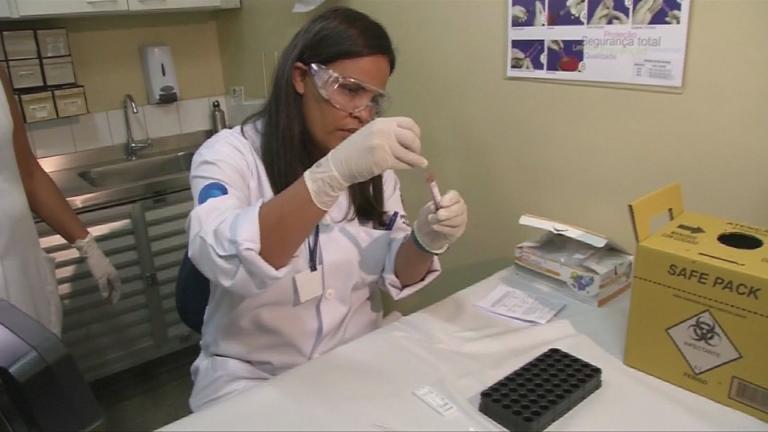
Important research is happening locally and across the country in an attempt to control the Zika virus.
Trending
Republican Ohio Gov. Mike DeWine Denounces Ramaswamy Ad Featuring Democrat Amy Acton’s Estranged Mother
CTA to Suspend Loop Elevated Train Service This Weekend for Track Maintenance

Mayor Johnson Again Proposes Corporate Tax Hikes to Bridge Budget Gap; Says City Must Borrow $481M to Resolve Police Misconduct Lawsuits

Suspend 4 CPD Officers Who Stopped, Shot Dexter Reed for Violating Rights of 4th Driver: Former Top Cop
Chicago DJ Sam Chatman, Known as the Godfather of Steppin’, Dies at 85

Sign up for the WTTW News newsletter