

Southeast Environmental Task Force
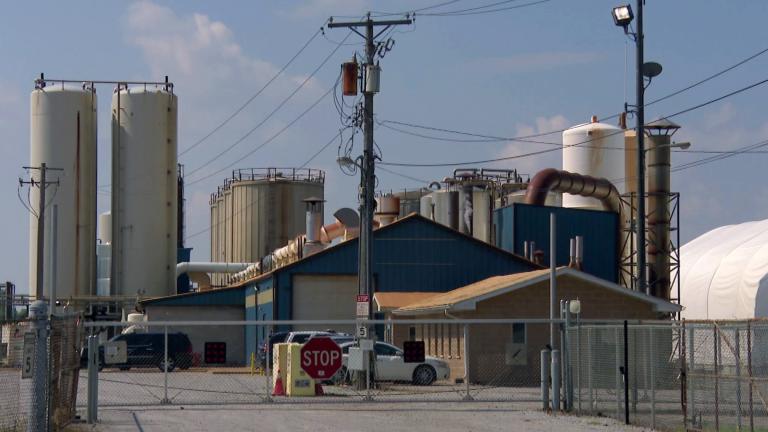

For years, Southeast Side residents have complained of foul odors plaguing their neighborhood. The smell is allegedly coming from Pullman Innovations, a vegetable oil plant in South Deering. Neighbors said the smell resembles everything from sewage, to rotting meat, to corpses.
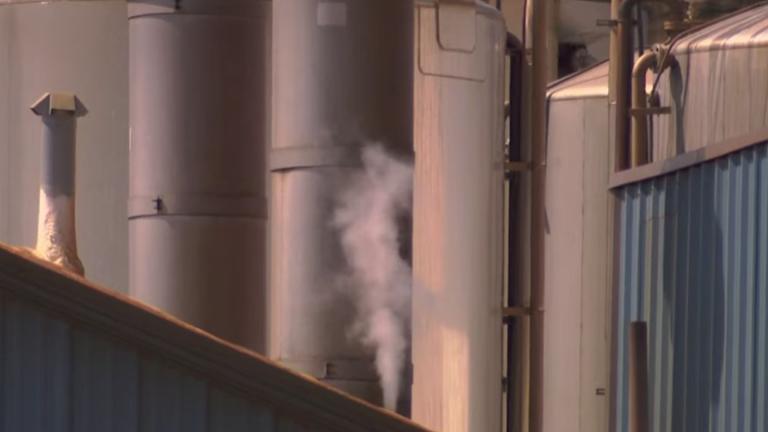
“My kids grew up smelling dead animals and rotting fish,” said Ljiljana Radocaj, a mother and resident of the 10th Ward. “It’s the most horrific smell — you can’t even describe it. You can just run from it.”
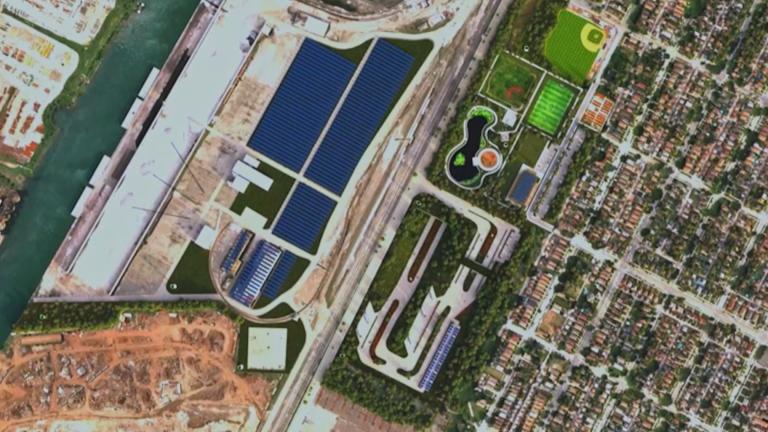
Developers have a massive underground warehouse dream for the Southeast Side. But for some, the project is potential environmental and public health concern.

The Great Lakes was named a global “Hope Spot,” joining the Galapagos Islands, the Great Barrier Reef and the Bering Sea as a place identified as critical to the health of the ocean.
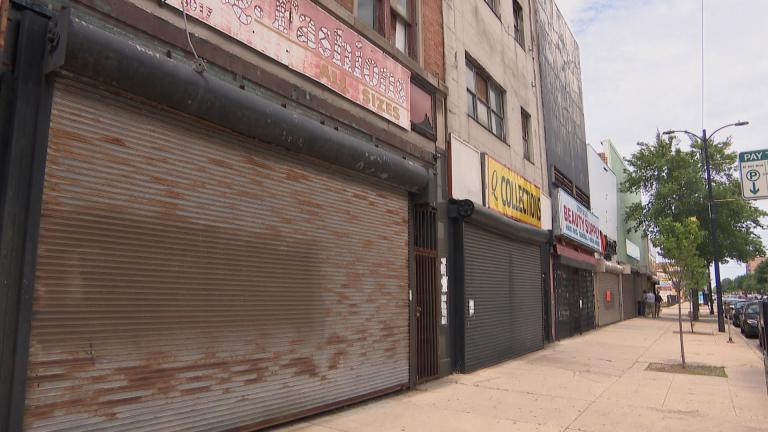
On the Southeast Side, a community deals with the aftermath of property damage and looting against the backdrop of ongoing concerns over COVID-19 and environmental pollution.

Southeast Side residents have created guidelines for the types of development they want to see in their neighborhoods, outlining their priorities in a blueprint for developers.
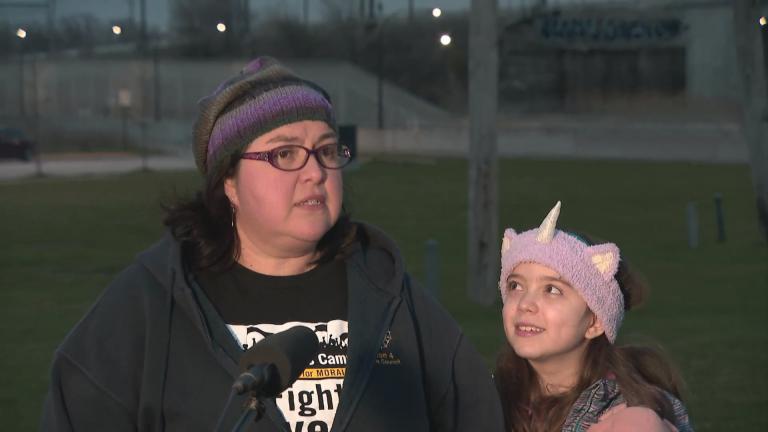
Since the late 1980s, residents from Hegewisch, the East Side and nearby neighborhoods have organized as part of the Southeast Environmental Task Force to push for better environmental conditions.
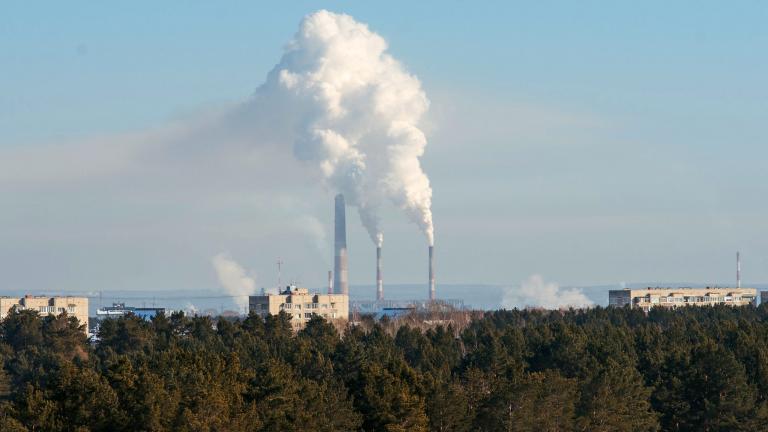
Environmental organizations have petitioned the EPA to establish rules requiring companies to minimally disclose to the public that they’ve stopped monitoring and reporting pollution during the COVID-19 pandemic.
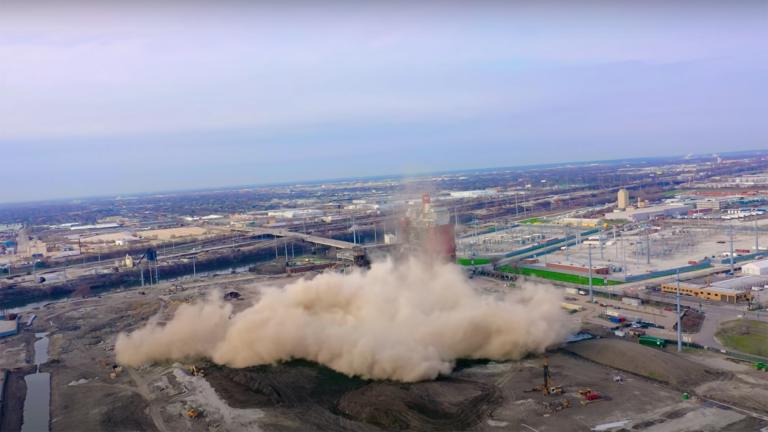
Lawsuits have now been filed against the developer and other parties involved in the mishandled demolition of a former coal plant in Little Village, which recently left the neighborhood covered in a plume of unknown particles.
Trending
Pair of Chicago Elementary Schools Named Top in Illinois in New U.S. News Rankings
Mother-Son Reunions Among Latest Milestones for Shedd’s Rescued Belugas

Migration Mass Casualty With At Least 1,000 Birds Injured or Killed This Weekend in Chicago and on Northwestern’s Campus

Early Voting for November General Election Expands in Chicago, Suburban Cook County
Giannoulias, Quigley, Wilson — But Not Johnson — Among First to File Signatures Ahead of Chicago’s February Mayoral Election

Sign up for the WTTW News newsletter