

Poverty

Changes to SNAP and Medicaid eligibility are seen as possible reasons for the drop in low-income numbers. These changes could have a direct impact on the amount of state funding school districts receive.
President Donald Trump’s administration said Tuesday that it is withholding funding for programs that support needy families with children in five Democratic-led states over concerns about fraud.

The three top Democrats vying to become the party’s nominee for U.S. senator in Illinois have released proposals detailing how they plan to make life more affordable for Americans.

Households with an income up to 300% of the federal poverty level will qualify for benefits on a tiered schedule. Those with incomes less than or equal to 50% of the federal threshold will see the largest discounts.
For over 50 years, the Chicago-based organization has worked nationally on anti-poverty advocacy by litigating, shaping policy and training networks of lawyers, community leaders and advocates.

A federal judge in Rhode Island said Thursday that the Trump administration must fully cover food stamp benefits for tens of millions of Americans in November.

Days after announcing it was ending the government’s annual food insecurity report, the U.S. Department of Agriculture placed about a dozen researchers, supervisors and administrators on paid administrative leave.
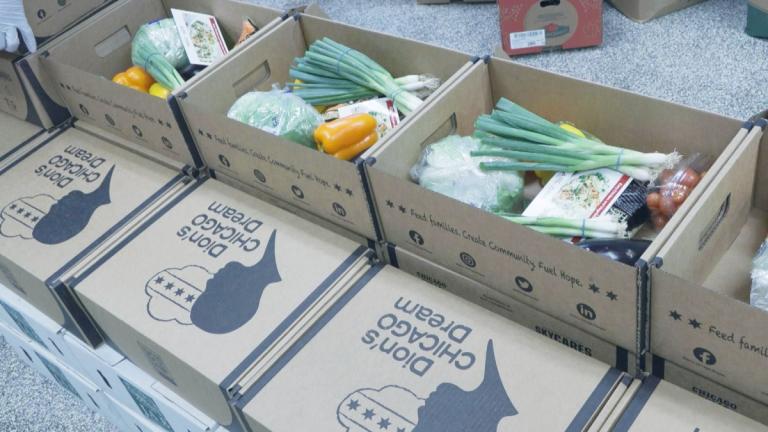

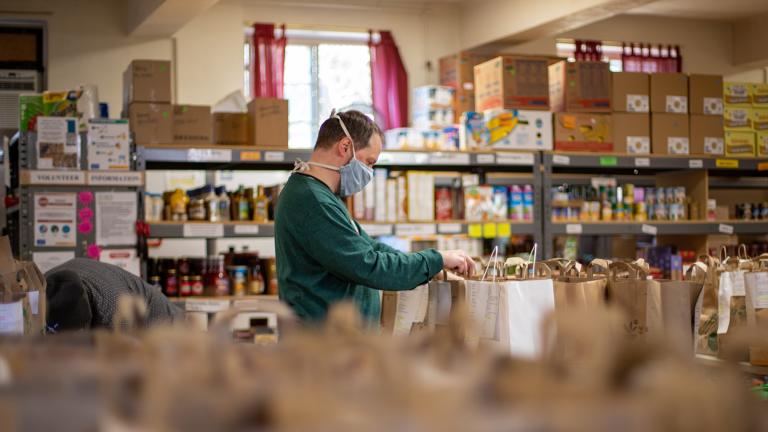
With one in five Chicagoans facing food insecurity, residents are working to feed their own with grassroots efforts led by community nonprofits.
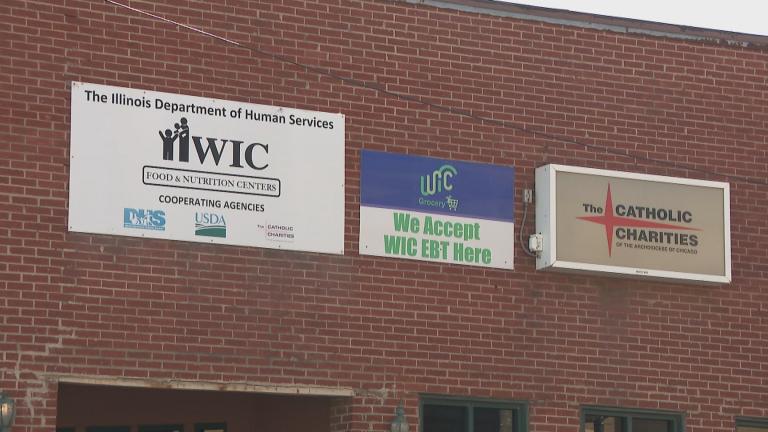
The Special Supplemental Nutrition Program for Women, Infants, and Children, also known as WIC, is facing a $1 billion budget shortfall, and Congress has until March to secure funding. Illinois would need about $24 million in additional funding for the 2024 fiscal year to serve its eligible population.

As the 60th anniversary of the war on poverty approaches, the Shriver Center on Poverty Law is hosting a one-day poverty summit, bringing together a diverse group of academic, community and government leaders.
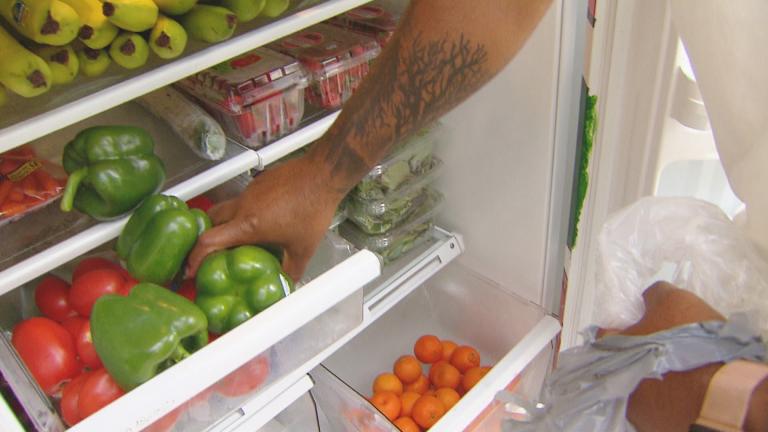
With inflation on the rise, and federal pandemic assistance expiring, food pantries and distributors say food insecurity across the city is spiking.
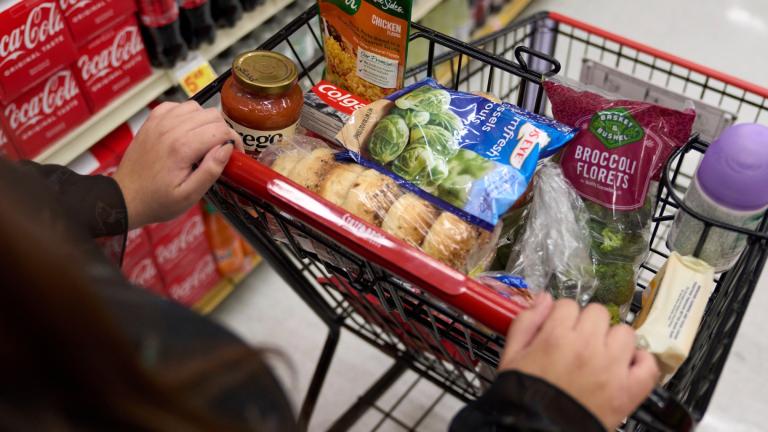
Child poverty in the U.S. more than doubled and median household income declined last year when coronavirus pandemic-era benefits expired and inflation kept rising, according to figures released by the U.S. Census Bureau.
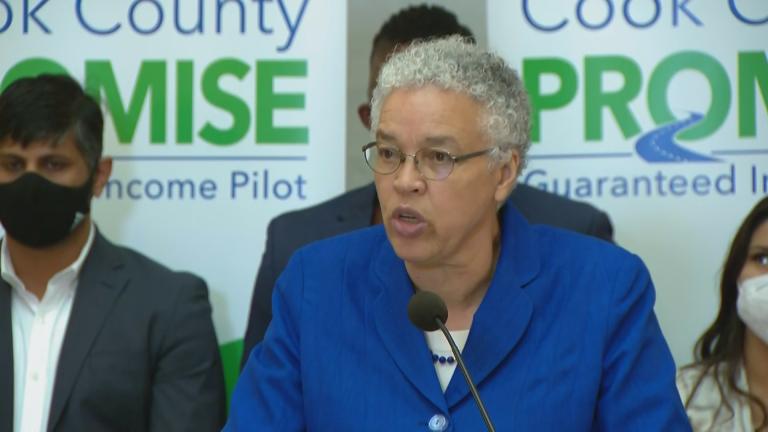
More than 233,000 Cook County residents applied to be part of the $42 million program, and 3,250 households won a lottery to participate in the two-year program.
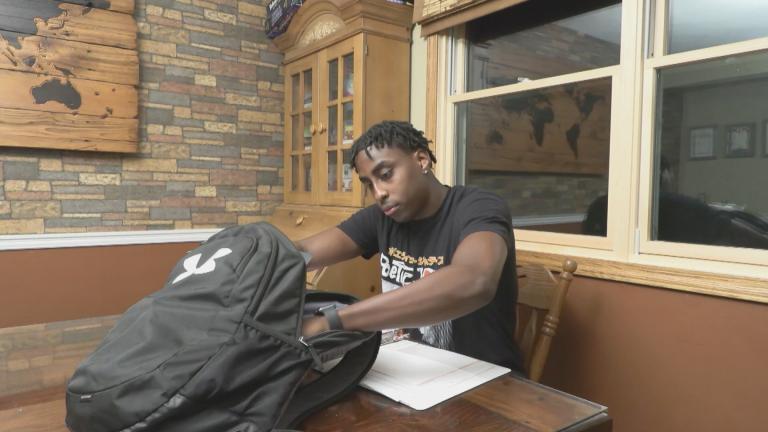
In Cook County, Black youth account for more than 70% of the child welfare system. Meanwhile, Black residents make up only 23% of the county’s total population. As of February 2022, there are more than 4,000 Black children in foster care in Cook County.

Over Thanksgiving week, hundreds of Robbins residents were left with dry homes following two water main breaks. It is just part of a long history of water infratructure problems in the town.
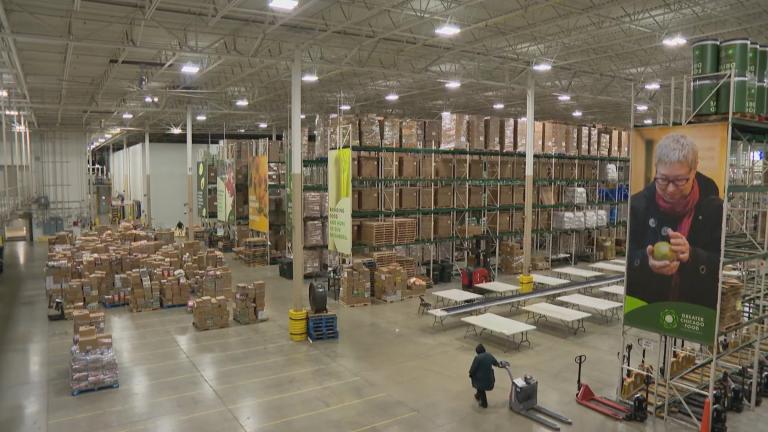
For families already stretching to make ends meet, higher food prices means seeking help from local food pantries. Many Chicago-area pantries are reporting a significant increase in demand.
Trending
Pair of Chicago Elementary Schools Named Top in Illinois in New U.S. News Rankings

Mother-Son Reunions Among Latest Milestones for Shedd’s Rescued Belugas

Migration Mass Casualty With At Least 1,000 Birds Injured or Killed This Weekend in Chicago and on Northwestern’s Campus

Early Voting for November General Election Expands in Chicago, Suburban Cook County

Giannoulias, Quigley, Wilson — But Not Johnson — Among First to File Signatures Ahead of Chicago’s February Mayoral Election

Sign up for the WTTW News newsletter