

Olympics
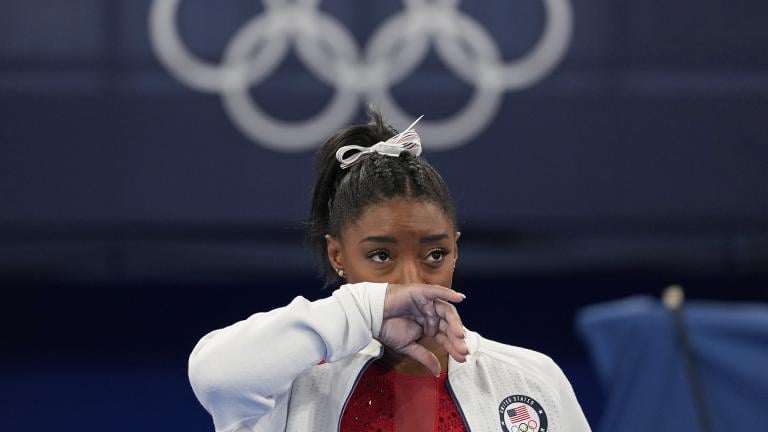

By pulling on her white sweatsuit in the middle of Tuesday night’s Olympic gymnastics meet, and by doing it with a gold medal hanging in the balance, Simone Biles might very well have redefined the mental health discussion that’s been coursing through sports for the past year.
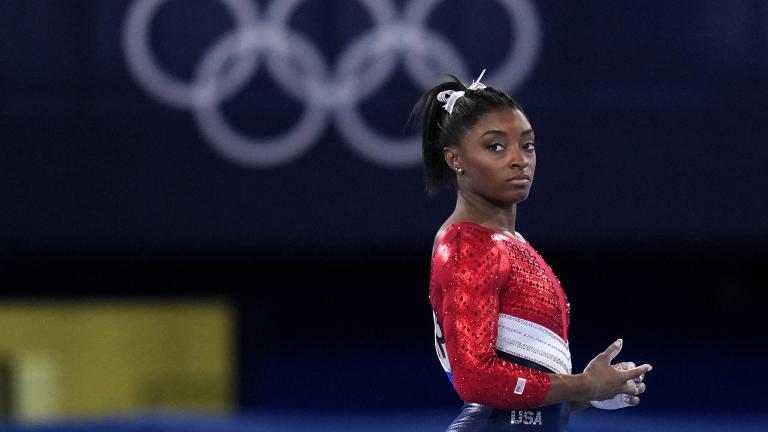
Simone Biles will not defend her Olympic title. The American gymnastics superstar withdrew from Thursday’s all-around competition to focus on her mental well-being.
Simone Biles came to Tokyo as the star of the U.S. Olympic movement and perhaps the Games themselves. It all came to a stunning halt in the women’s gymnastics final on Tuesday night with an uncertain vault.
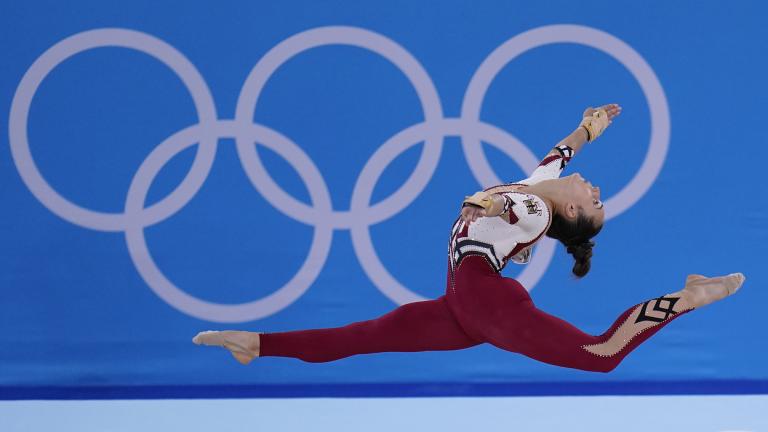
For decades, female gymnasts have worn bikini-cut leotards. In qualifying on Sunday, however, the German team instead wore unitards that stretched to their ankles, intending to push back against sexualization of women in gymnastics.
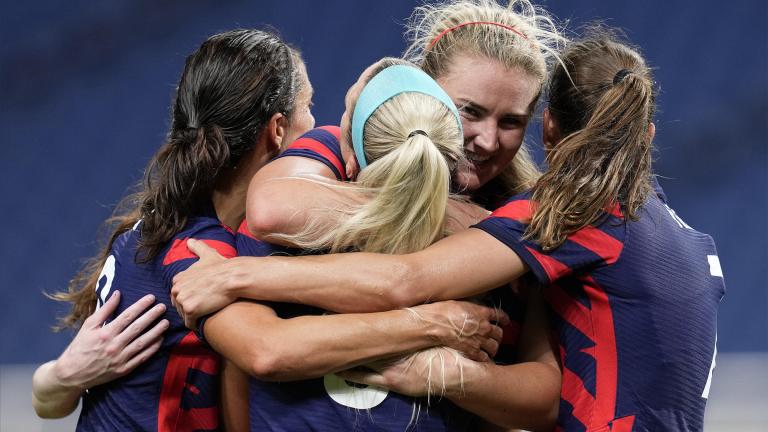
After a stunning loss in the opener, the U.S. women’s soccer team vowed to be ruthless against New Zealand. And they rebounded in a big way.
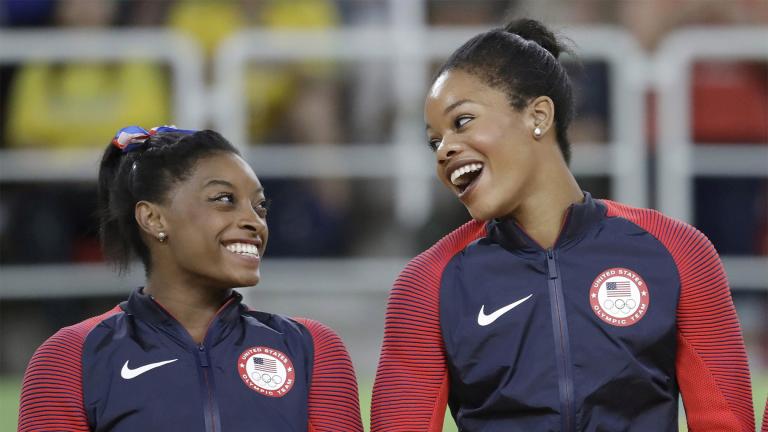
The face of gymnastics in the United States is changing. There are more athletes of color starting — and sticking — in a sport long dominated by white athletes at the highest levels.

Belated and beleaguered, the virus-delayed Tokyo Summer Olympics finally opened Friday with cascading fireworks and made-for-TV choreography that unfolded in a near-empty stadium, a colorful but strangely subdued ceremony that set a striking tone to match a unique pandemic Games.
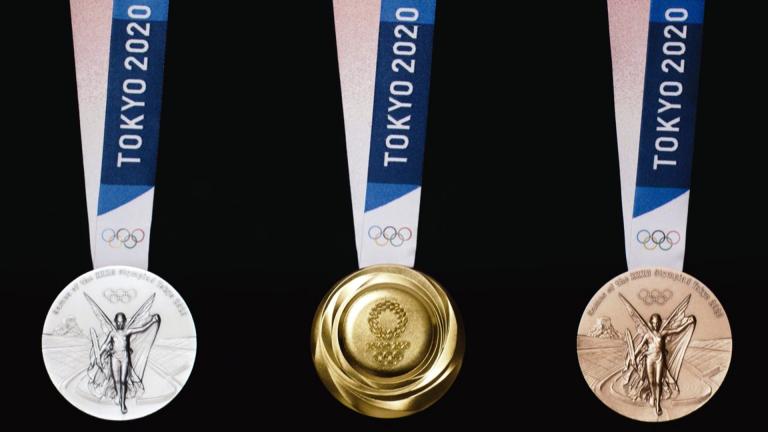
Some of the Games’ most high-profile moments will incorporate clever examples of “reduce, reuse, recycle,” like medalists standing on 3-D printed podiums made from recycled plastic collected by the Japanese people.
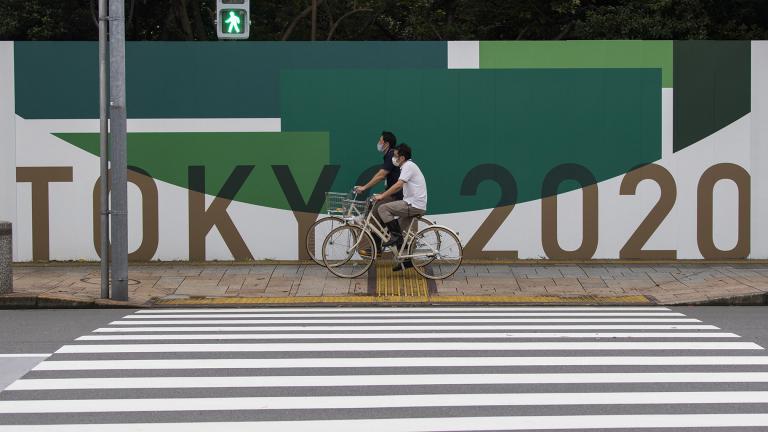
Surging COVID-19 cases in Tokyo have hit a two-month high that almost guarantees the Japanese government will declare a new state of emergency to start next week and continue for the duration of the Tokyo Olympics.
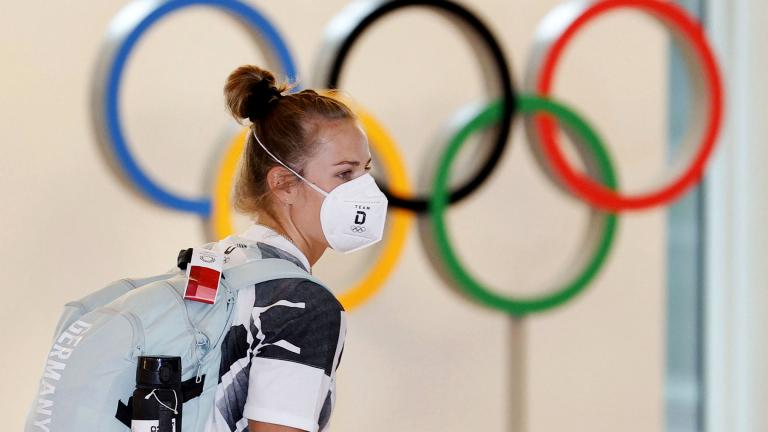
The pressure of hosting an Olympics during a still-active pandemic is beginning to show in Japan. The games begin July 23, with organizers determined they will go on, even with a reduced number of spectators or possibly none at all.
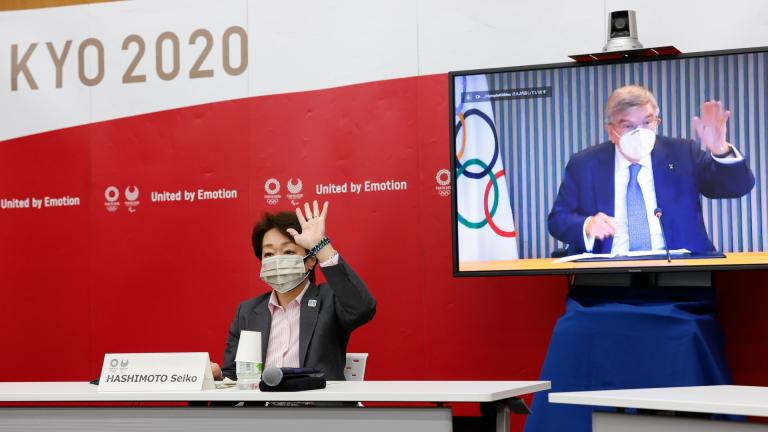
The decision comes as opposition among Japanese to holding the Games in July remains high, though may be softening, and as new infections in Tokyo have begun to subside.
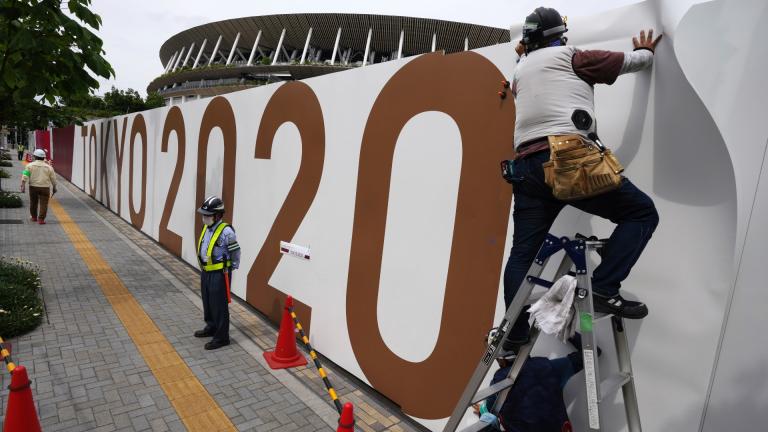
This is a clear sign that Tokyo Olympic planners and the International Olympic Committee are moving forward despite public opposition, warnings about the risks of the games becoming a spreader event, and Tokyo and other parts of Japan being under a state of emergency until June 20.
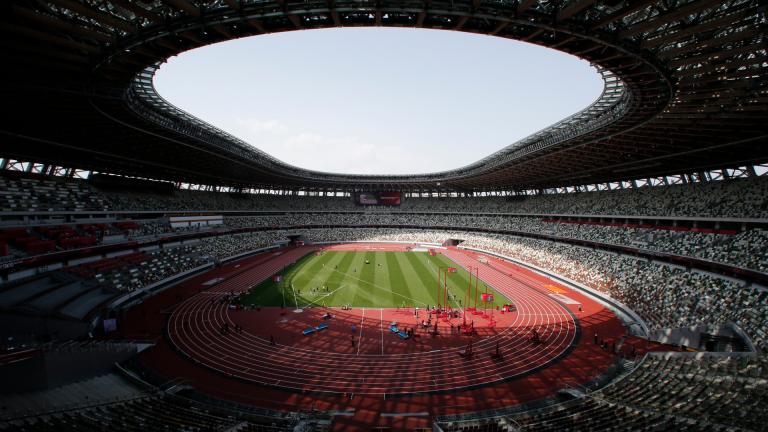
Tokyo is under a COVID-19 state of emergency, but International Olympic Committee Vice President John Coates has said the games will open on July 23 — state of emergency, or no state of emergency.
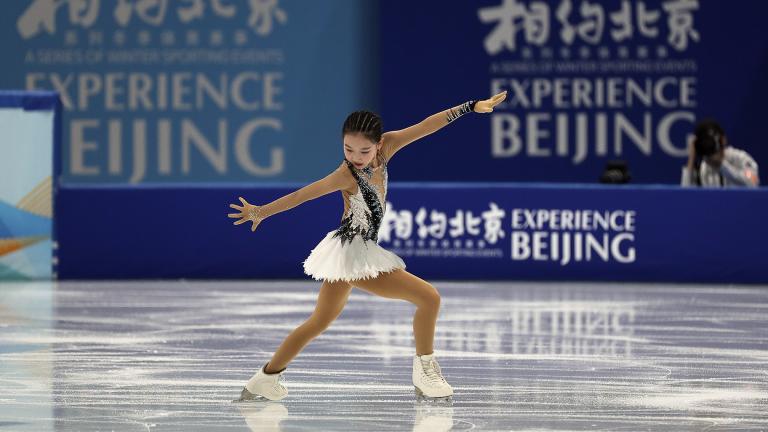
The State Department said Tuesday the Biden administration is consulting with allies about a joint approach to China and its human rights record, including how to handle the upcoming Beijing Winter Olympics.

The coronavirus pandemic has caused organizers to postpone this summer’s Olympic Games and Paralympic Games. We discuss the delay with three Olympic athletes from the Chicago area.
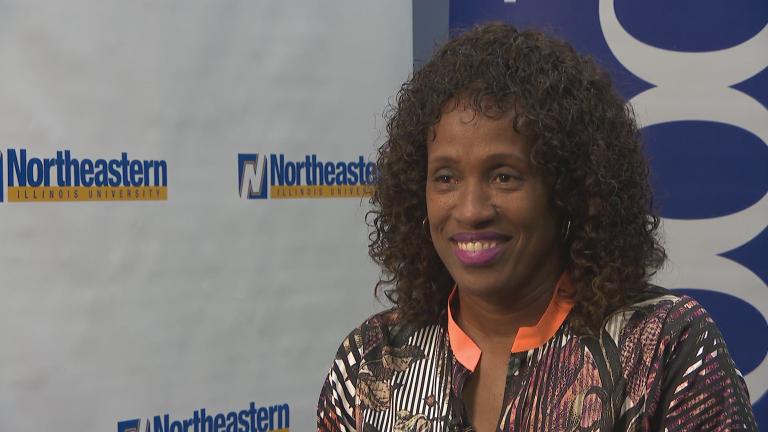
She won back-to-back Olympic medals in the seven-event heptathlon and still holds the world record of 7,291 points in the event. We talk sexism in women’s sports and more with Jackie Joyner-Kersee.
Trending
Republican Ohio Gov. Mike DeWine Denounces Ramaswamy Ad Featuring Democrat Amy Acton’s Estranged Mother

CTA to Suspend Loop Elevated Train Service This Weekend for Track Maintenance

Suspend 4 CPD Officers Who Stopped, Shot Dexter Reed for Violating Rights of 4th Driver: Former Top Cop

Chicago DJ Sam Chatman, Known as the Godfather of Steppin’, Dies at 85

CPD Opens Misconduct Probe Into Members’ Use of License Plate Readers

Sign up for the WTTW News newsletter