

National Weather Service
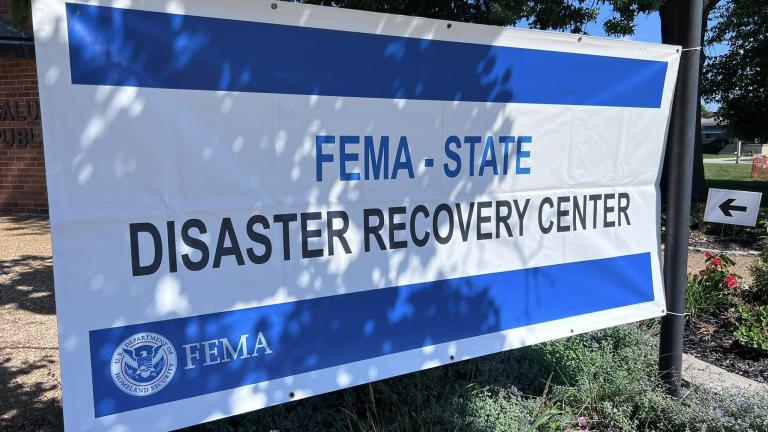
Residents of Calumet City are recovering from a second round of flooding in less than three months after more than half a foot of rain fell on the area Sunday.
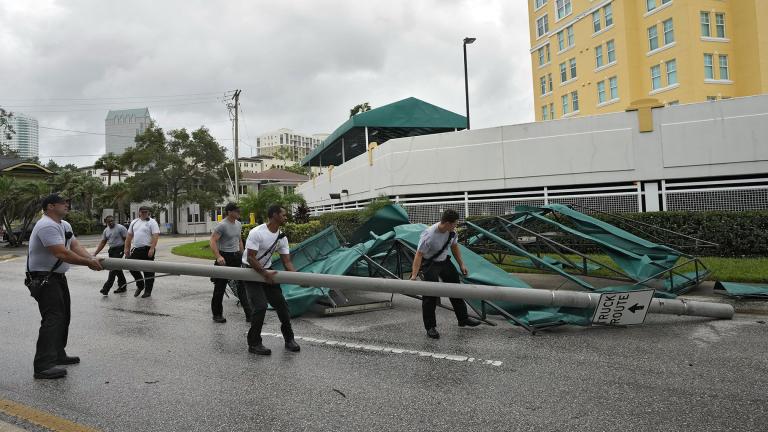
As the eye moved inland, high winds shredded signs, blew off roofs, sent sheet metal flying and snapped tall trees. One person was killed in Georgia. No hurricane-related deaths were officially confirmed in Florida, but the Florida Highway Patrol reported two people dying in separate weather-related crashes just hours before Idalia made landfall.

On Thursday, Chicago notched its first official 100-degree day since 2012 and tied a daily high set nearly 80 years ago, according to the National Weather Service.
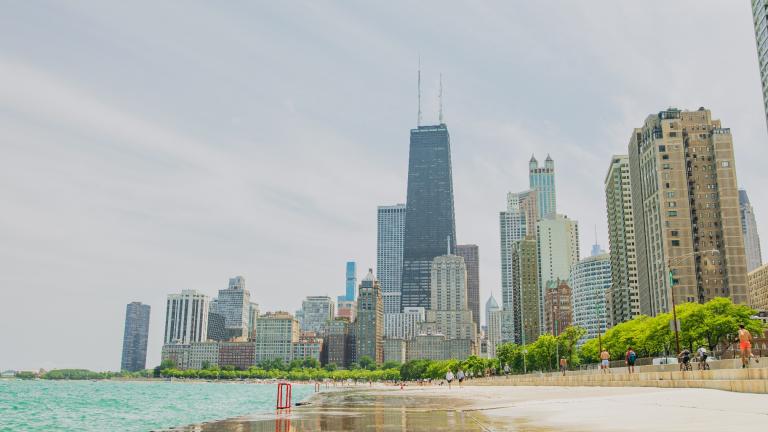

Cooling centers and splash pads are open to help people cope with oppressive heat that will feel like 115 degrees.
The National Weather Service has issued an excessive heat watch for Wednesday and Thursday, when the combination of high temperatures and oppressive humidity are expected to create dangerous conditions.
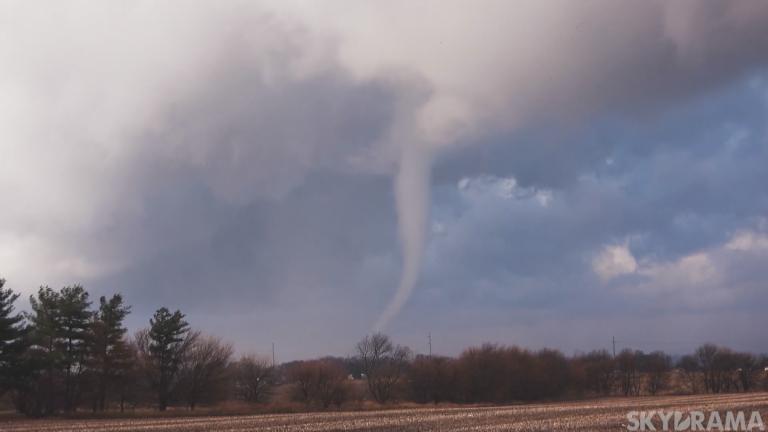
Illinois has seen 107 tornadoes in 2023, according to the National Weather Service. That makes it the state with the most tornadoes this year. While Illinois holds this title, scientists caution the thought of adding the Prairie State to Tornado Alley.
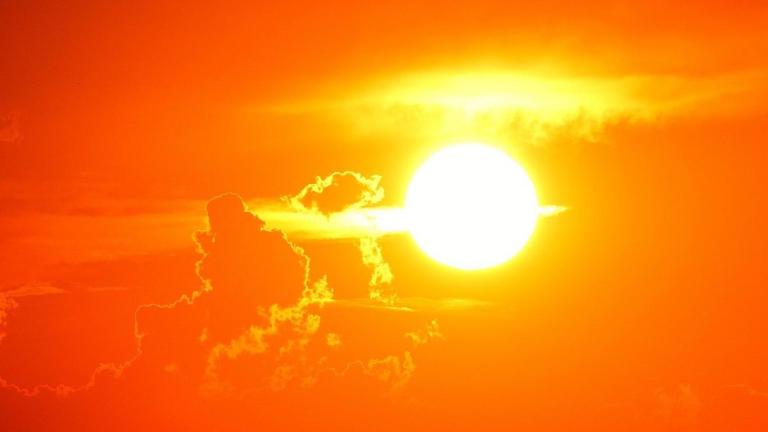
Parts of the Chicago area are under excessive heat warnings and heat advisories Thursday with temperatures expected to top out at 96 degrees along with a heat index into the triple digits, according to the National Weather Service.
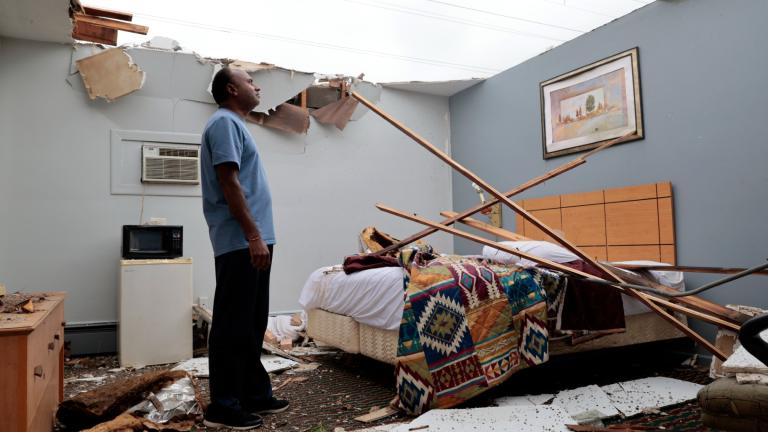
No injuries were reported when Wednesday’s storms ripped roofs from buildings and toppled trees in the Chicago area and points west. One tornado touched down near O’Hare Airport, sending passengers dashing for shelter and disrupting hundreds of flights.

The National Weather Service issued a tornado watch until 10 p.m. Wednesday for the Chicago area. Tornado warnings were issued for several regions.
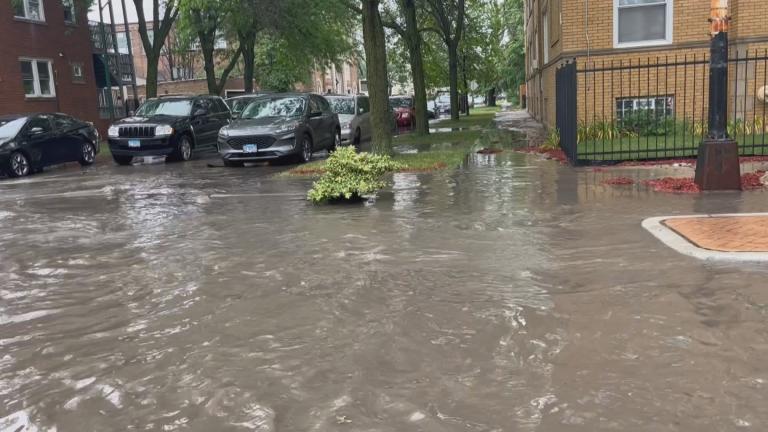
Residents on the West side of the city and its surrounding suburbs were hit particularly hard by flooding. Some areas saw as much as 8 inches of rainfall on July 2, leading to flash floods and extensive property damage.
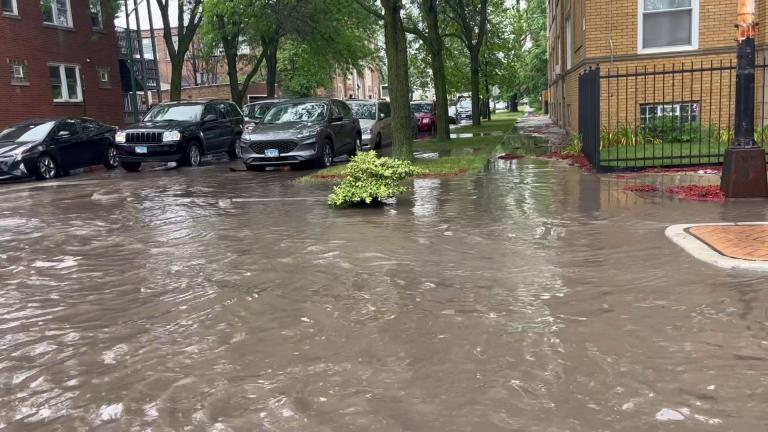
As much as 8 inches fell in certain areas over the weekend, followed by major flooding. Areas on the city’s West Side and western suburbs saw over 8 inches on Sunday, according to the National Weather Service.
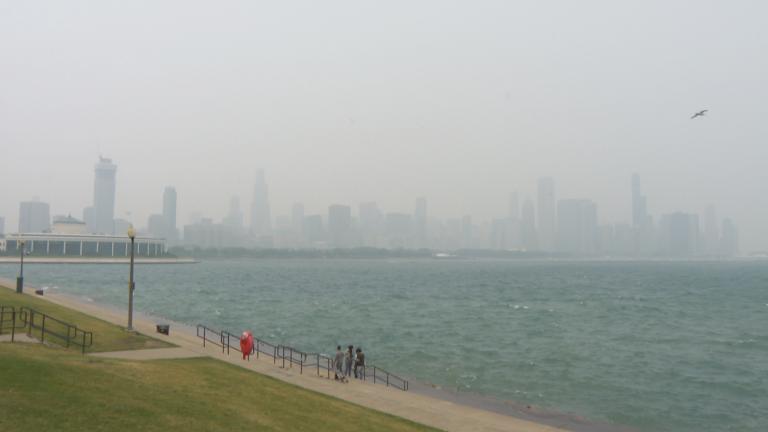
According to data from the Illinois EPA, Chicago’s Air Quality Index was at a 185 as of Thursday morning, placing it in the “unhealthy” range. That means older adults, people with heart or lung disease and children and teens should avoid strenuous outdoor activities.
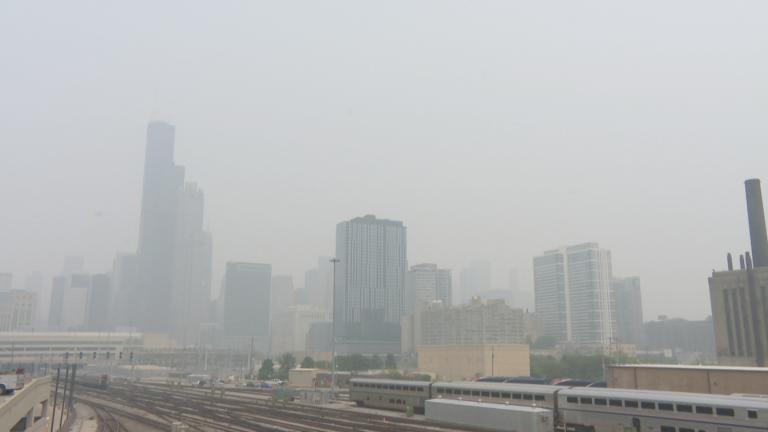
Air quality hit unhealthy levels, with the Department of Public Health encouraging people to limit their time outdoors and avoid strenuous activities.
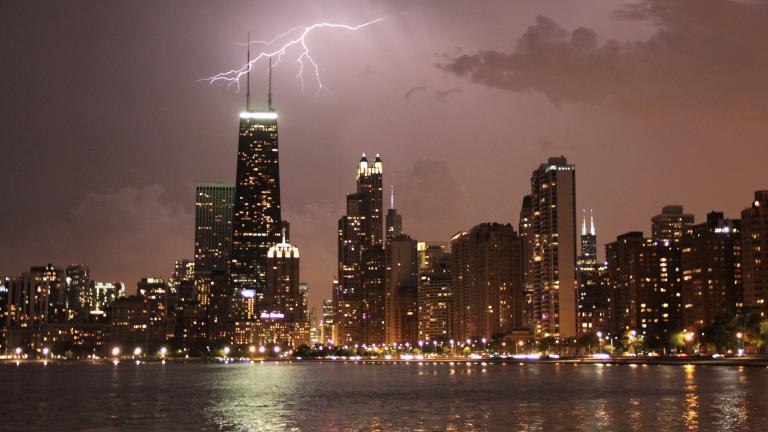
Thunderstorms are as much a part of the rhythm of summer in Chicago as cookouts, baseball and street festivals. And they’ve been missing in 2023.
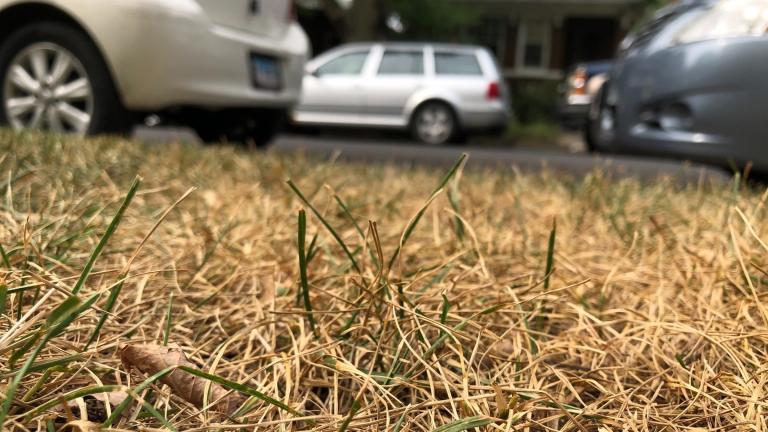
According to the National Weather Service, conditions continue to deteriorate across Northeast Illinois, with the Chicago metro area experiencing the most significant rainfall deficits.

The entire state of Minnesota and most of Wisconsin were under air quality alerts Wednesday as a gray haze from wildfire smoke shifted south, according to the National Weather Service.
Trending
2026 Chicago Festival Guide

Interim NITA Director Earning $350K Salary While Also Collecting $213K Annual City Pension, Records Show

Firm Set to Buy Chicago’s Parking Meters Sells Airline That Carried Out Deportations

Early Voting for November General Election Kicks Off in Downtown Chicago

Chicago Woman Accused of Social Security Fraud After Hiding Mother’s Body in Freezer for 2 Years

Sign up for the WTTW News newsletter