

Cybersecurity
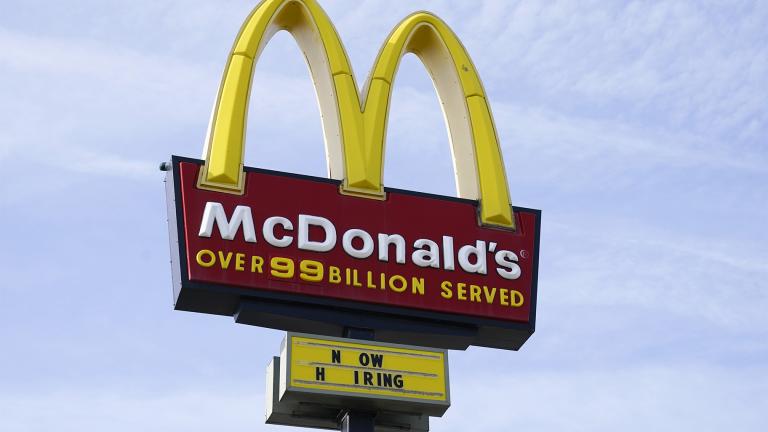
McDonald’s has become the latest company to be hit by a data breach after unauthorized activity on its network exposed the personal data of some customers in South Korea and Taiwan.
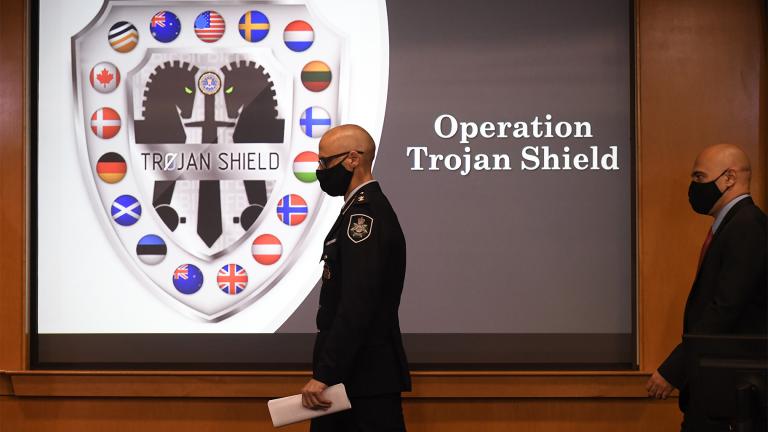
An operation known as Trojan Shield led to police raids in 16 nations. More than 800 suspects were arrested and more than 32 tons of drugs — including cocaine, cannabis, amphetamines and methamphetamines — were seized along with 250 firearms, 55 luxury cars and more than $148 million in cash and cryptocurrencies.
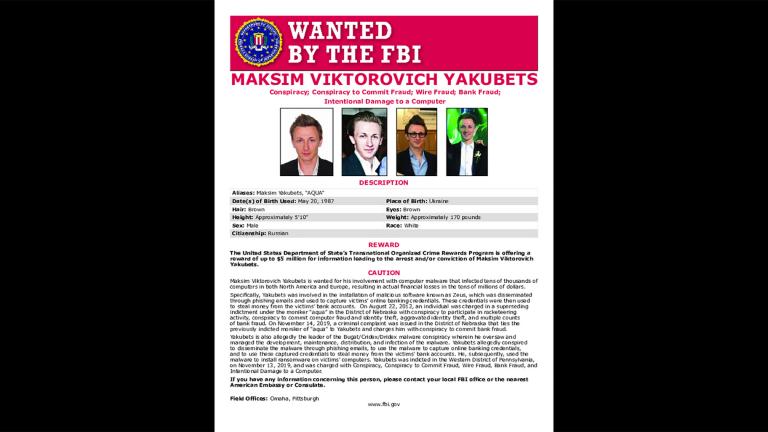
The escalating havoc caused by ransomware gangs raises an obvious question: Why has the United States, believed to have the world’s greatest cyber capabilities, looked so powerless to protect its citizens from these kind of criminals operating with near impunity out of Russia and allied countries?
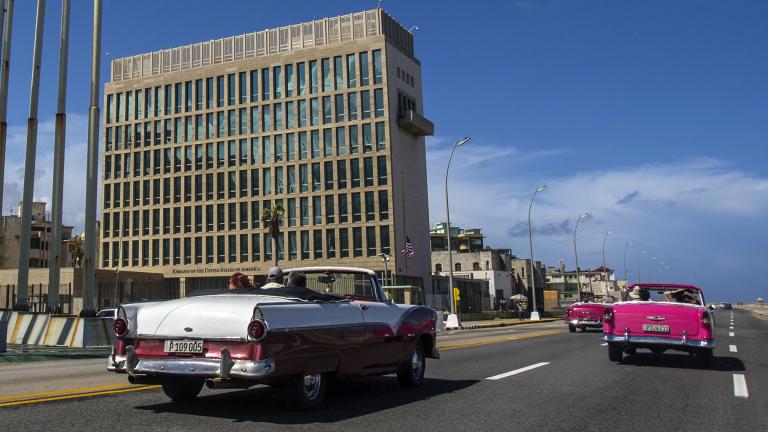
The Biden administration is facing new pressure to resolve a mystery that has vexed its predecessors: Is an adversary using a microwave or radio wave weapon to attack the brains of U.S. diplomats, spies and military personnel?

Some parts of the country still face gas shortages related to the Colonial Pipeline ransomware attack, and the incident has drawn attention to the growing threat cyberattacks pose in the U.S. and around the world. We discuss the increasing threat and what to do about it.
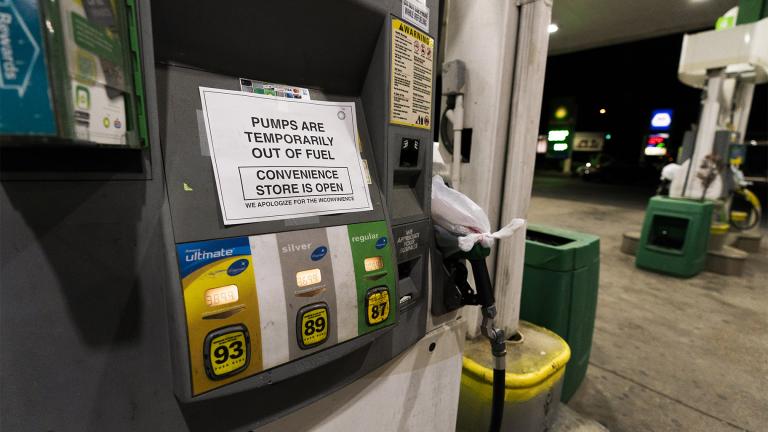
The operator of the nation’s largest gasoline pipeline — hit on May 7 by a ransomware attack — announced Saturday that it has resumed “normal operations,” delivering fuel to its markets, including a large swath of the East Coast.
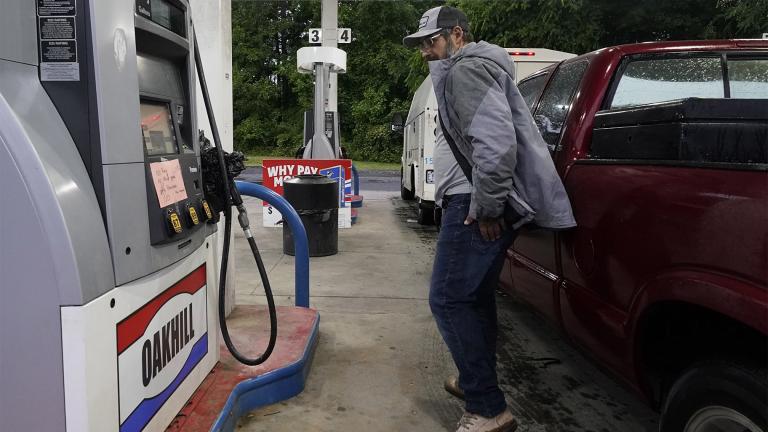
There is no gasoline shortage, according to government officials and energy analysts. But there is a problem getting the fuel from refineries on the Gulf Coast to the states that need it, and officials are scrambling to find alternate routes to deliver that fuel.
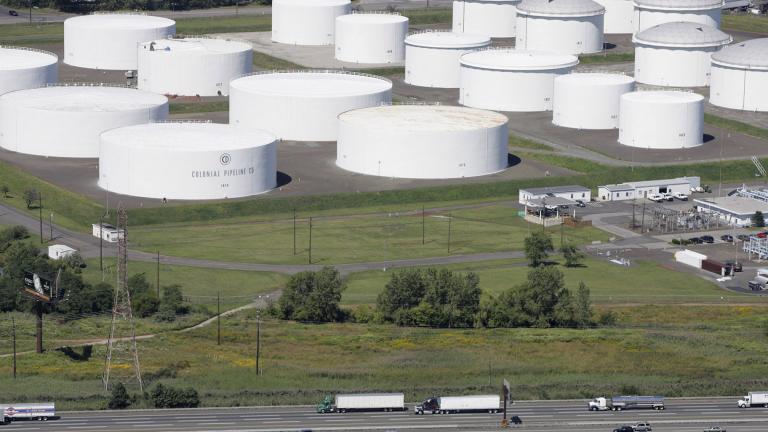
As the shutdown of a major fuel pipeline entered into its fifth day, efforts are under way to stave off potential fuel shortages, though no widespread disruptions were evident.
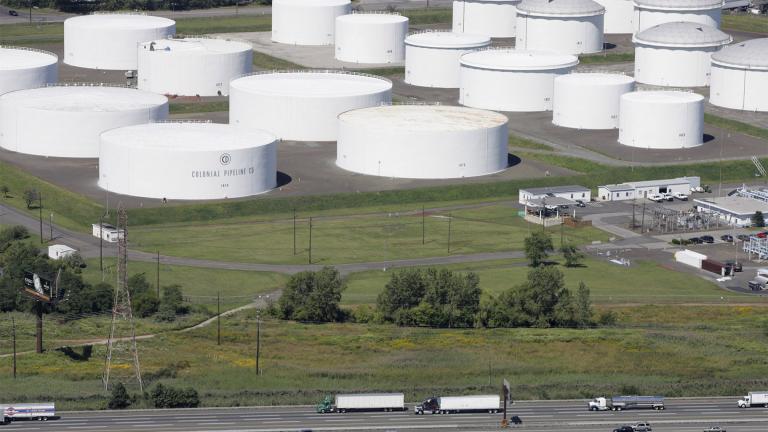
The cyberextortion attempt that has forced the shutdown of a vital U.S. pipeline was carried out by a criminal gang known as DarkSide that cultivates a Robin Hood image of stealing from corporations and giving a cut to charity, a person close to the investigation said Sunday.
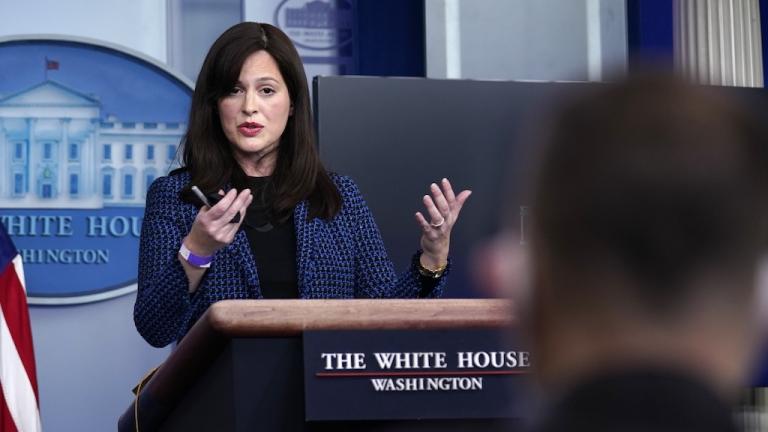
Jolted by a sweeping hack that may have revealed government and corporate secrets to Russia, U.S. officials are scrambling to reinforce the nation’s cyber defenses.
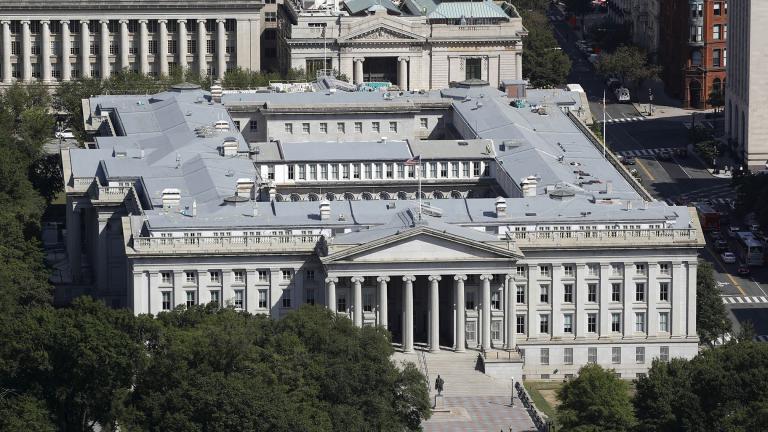
Plus: Analysis of the attack on ‘Chicago Tonight’
U.S. government agencies and private companies rushed to secure their computer networks following the disclosure of a sophisticated and long-running cyber-espionage intrusion suspected of being carried out by Russian hackers.
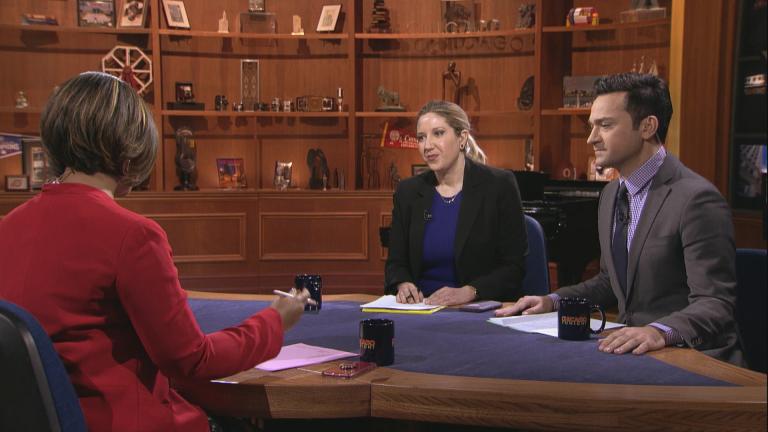
Why 574 people in Illinois were erroneously registered to vote. Our politics team digs into that story and more in our weekly roundtable.
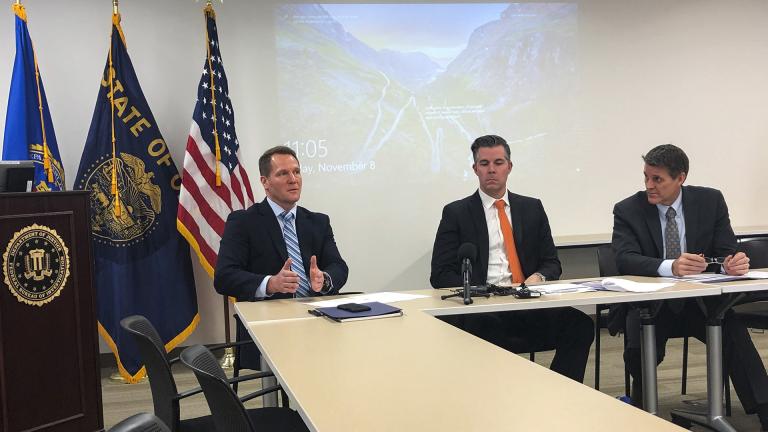
In 2015, $220 million was lost to wire fraud in the United States. In 2019, losses will surpass $1.5 billion, according to WFG National Title Insurance Company.
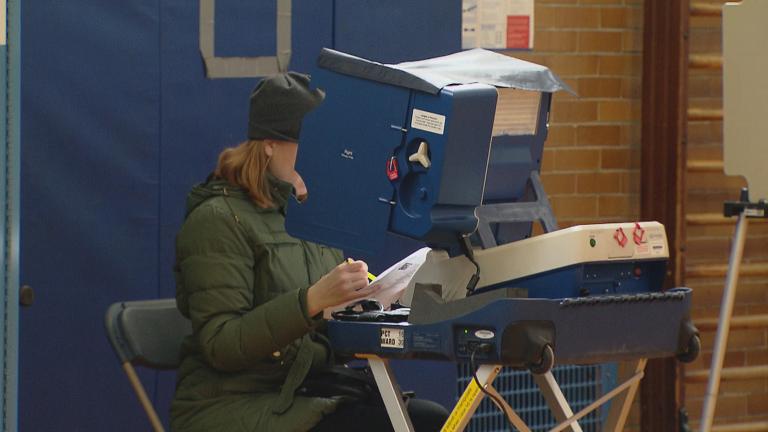
The 2020 election is just under a year away, and both federal and state election authorities say the threat of foreign interference is ramping up.
The changes include a tightened verification process that will require anyone wanting to run ads pertaining to elections, politics or big social issues like guns and immigration to confirm their identity and prove they are in the U.S.
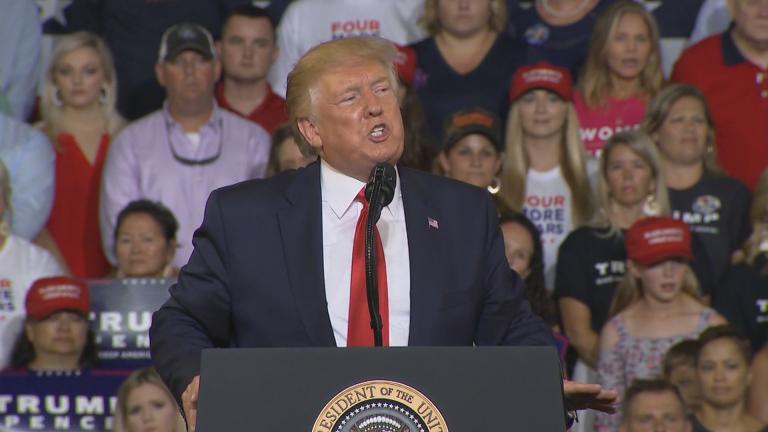
Federal authorities have repeatedly warned about foreign influence in U.S. elections, but a core federal agency that keeps watch on elections is suddenly without any enforcement ability. We speak with Federal Election Commission Chair Ellen Weintraub.
Trending
2026 Chicago Festival Guide

Interim NITA Director Earning $350K Salary While Also Collecting $213K Annual City Pension, Records Show

Firm Set to Buy Chicago’s Parking Meters Sells Airline That Carried Out Deportations
Early Voting for November General Election Kicks Off in Downtown Chicago

Chicago Woman Accused of Social Security Fraud After Hiding Mother’s Body in Freezer for 2 Years
Sign up for the WTTW News newsletter