

COVID-19 Variants
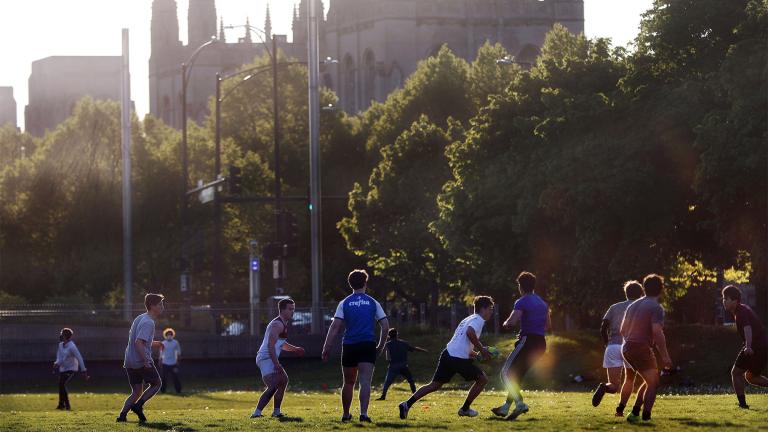
Harvard is moving classes online for the first three weeks of the new year, with a return to campus scheduled for late January, “conditions permitting.” The University of Chicago is delaying the beginning of its new term and holding the first two weeks online.
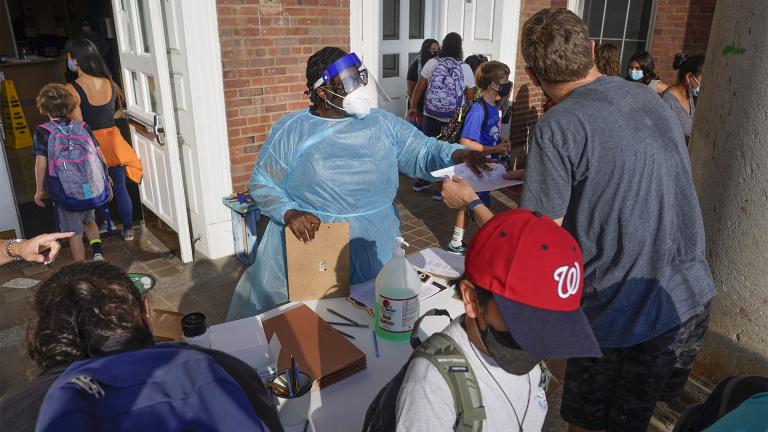
With coronavirus infections soaring, the return from schools’ winter break will be different than planned for some as administrators again tweak protocols and make real-time adjustments in response to the shifting pandemic. All are signaling a need to stay flexible.

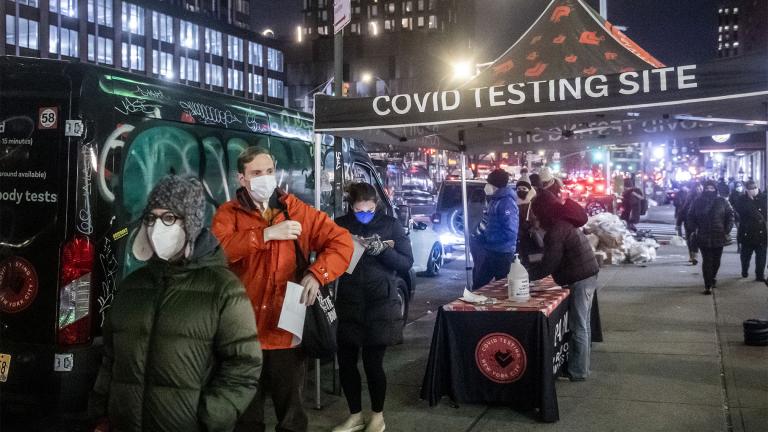
Officials are urging the public to get vaccinated and get tested — but many people are reporting challenges in finding tests.
The fast-spreading mutant version of the virus has cast a pall over Christmas and New Year’s, forcing communities to scale back or call off their festivities just weeks after it seemed as if Americans were about to enjoy an almost normal holiday season.
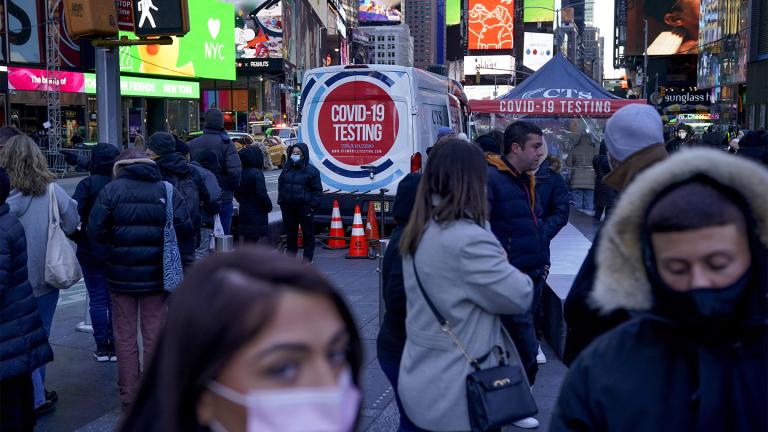
The guidance has raised questions about how it was crafted and why it was changed now, in the middle of another wintertime spike in cases, this one driven largely by the highly contagious omicron variant.

With cases of COVID-19 skyrocketing and hospitalizations surging in Illinois, officials are pleading with unvaccinated residents to change their minds about receiving shots.

U.S. regulators authorized Pfizer’s pill, Paxlovid, and Merck’s molnupiravir last week. In high-risk patients, both were shown to reduce the chances of hospitalization or death from COVID-19, although Pfizer’s was much more effective.
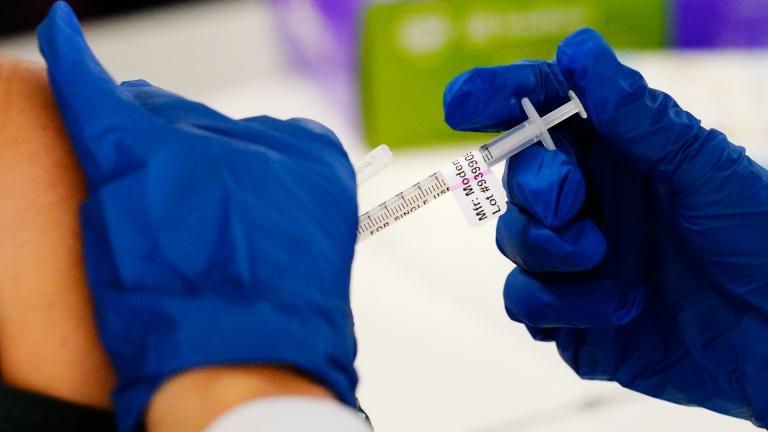
Worried that a new COVID-19 wave could overwhelm understaffed U.S. hospitals, federal officials on Thursday loosened rules that call on health care workers to stay out of work for 10 days if they test positive.
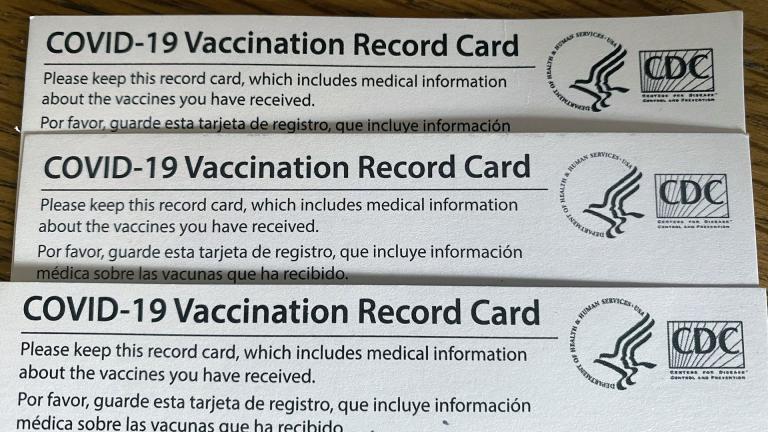
Citing rising COVID-19 cases, hospitalizations and deaths, suburban Cook County officials announced Thursday patrons age 5 and up entering restaurants, bars, gyms and movie theaters, among other venues, will need to show proof of vaccination against COVID-19 starting Jan. 3.
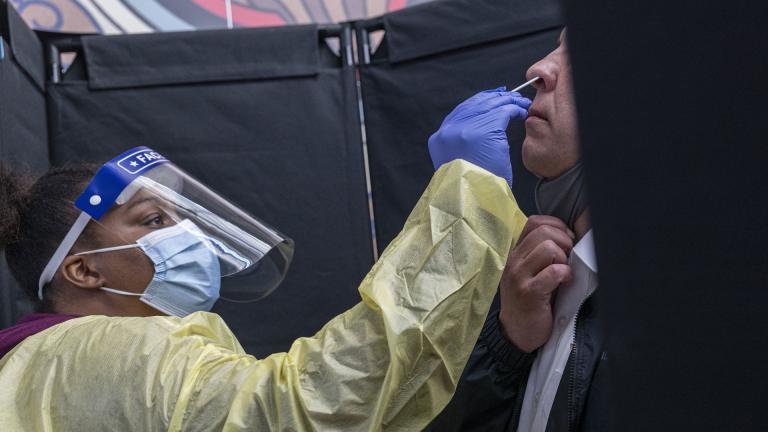
This debate comes as COVID-19 cases rise across the United States. As of Tuesday, the nation is averaging 139,764 new cases each day, according to data from Johns Hopkins University – up 16% from a week ago.

Holiday travel and gathering has begun. The Food and Drug Administration authorizes emergency use of Pfizer’s pill to treat COVID-19. A local physician weighs in on that and more.
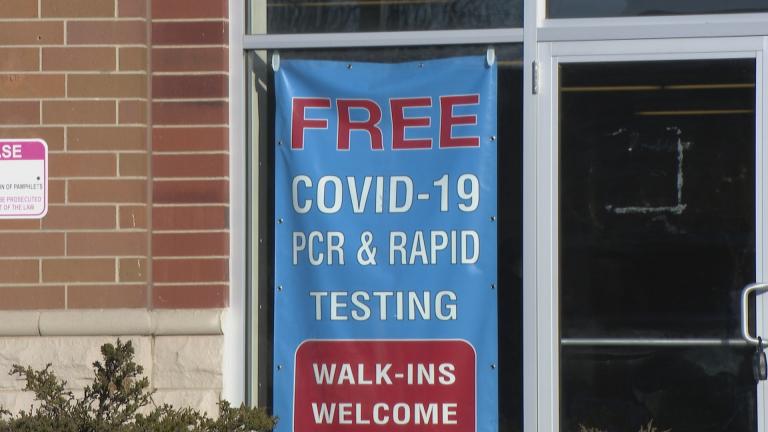
Pharmacies are dealing with a shortage of at-home COVID-19 tests as the demand for testing skyrockets ahead of the holidays.
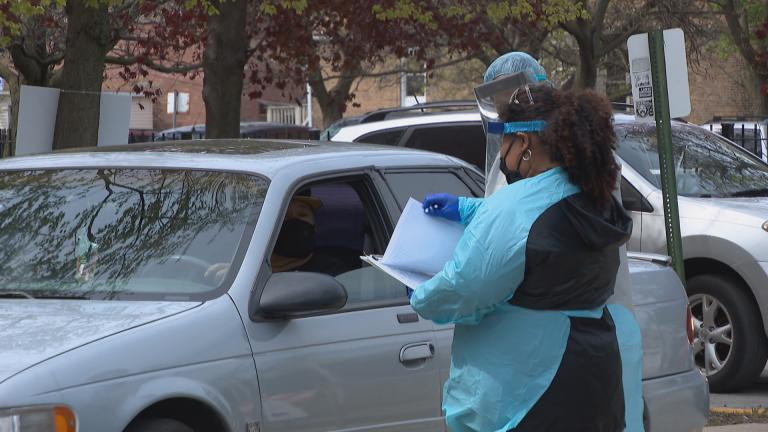
There were 16,581 new and probable COVID-19 cases recorded within the past 24 hours by the Illinois Department of Public Health. That’s the highest single-day total this year and the highest since November 2020, per IDPH data.
The majority of hospitalizations in Chicago continue to be among those unvaccinated, but health officials advised everyone take precautions.
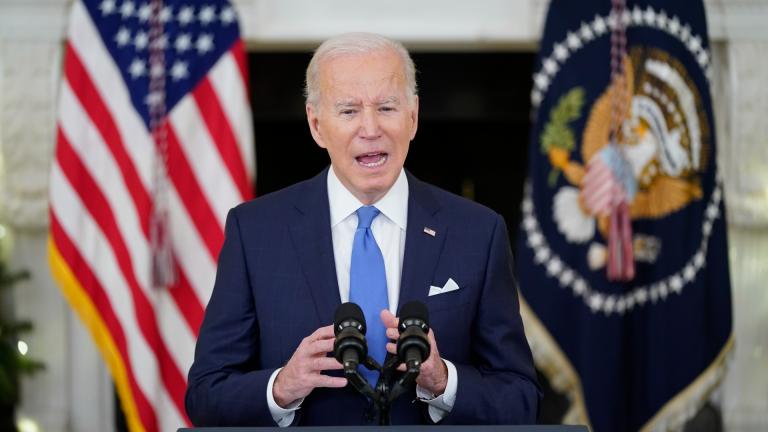
In remarks Tuesday at the White House, President Biden detailed major changes to his COVID-19 winter plan, his hand forced by the arrival of the fast-spreading variant, whose properties are yet not fully understood by scientists.
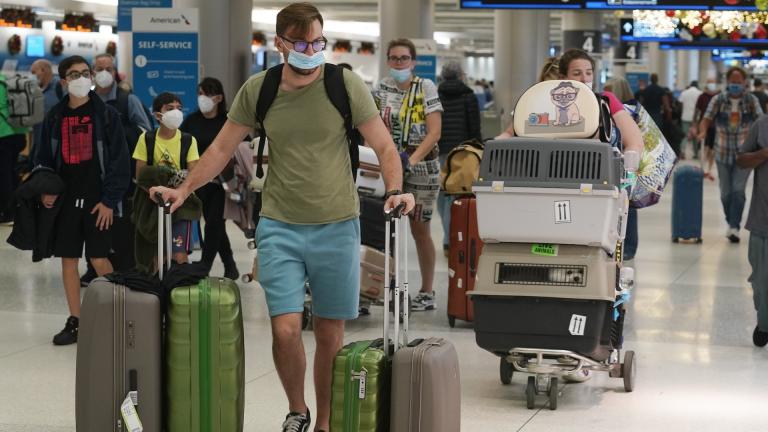
A heightened sense of anxiety has begun to erode the willingness of some people and businesses to carry on as usual in the face of the extraordinarily contagious omicron variant, which has fast become the dominant version of the virus in the U.S.
Trending
Early Voting for November General Election Kicks Off in Downtown Chicago
Uptown Theatre Added to Open House Chicago, Catch a Rare Glimpse Inside Gilded Jewel

City Lawyers Propose Spending $260.8M to Settle 16 Cases Tied to Disgraced Ex-CPD Detective Guevara

Chicago Woman Accused of Social Security Fraud After Hiding Mother’s Body in Freezer for 2 Years
Mortgages Soar as Fed Hikes Interest Rates

Sign up for the WTTW News newsletter