

COVID-19 Vaccine
Gavi is a public-private partnership including WHO, UNICEF, the Gates Foundation and the World Bank, and it is estimated that the vaccination programs have saved 18 million lives. The United States has long been one of its biggest supporters.
The American Academy of Pediatrics announced Wednesday that it would continue publishing its own vaccine schedule for children but now will do so independently of the ACIP, calling it “no longer a credible process.”

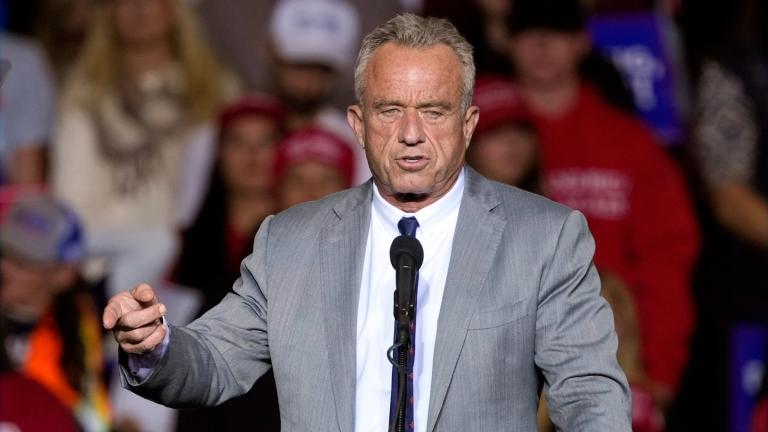
U.S. Health and Human Services Secretary Robert F. Kennedy Jr. on Monday dismissed an expert panel of vaccine advisers that has historically guided the federal government’s vaccine recommendations, saying the group is “plagued with conflicts of interest.”
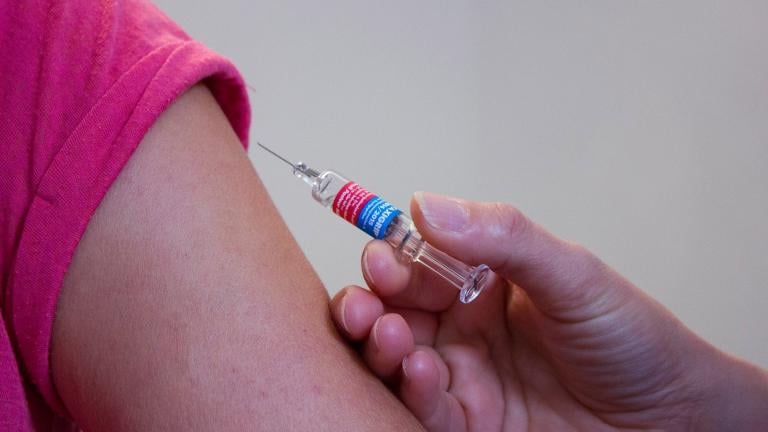

Federal health officials issued new guidance last week on who should have the COVID-19 vaccine, and it no longer includes healthy children and healthy pregnant women.

In a 58-second video posted on social media, Kennedy said he removed COVID-19 shots from the Centers for Disease Control and Prevention’s recommendations for those groups. Some doctors and public health leaders called the move concerning and confusing.

The U.S. Food and Drug Administration is changing the way it approves COVID-19 vaccines for Americans — a move that will limit future vaccines to older Americans and people at higher risk of serious COVID-19 infection.
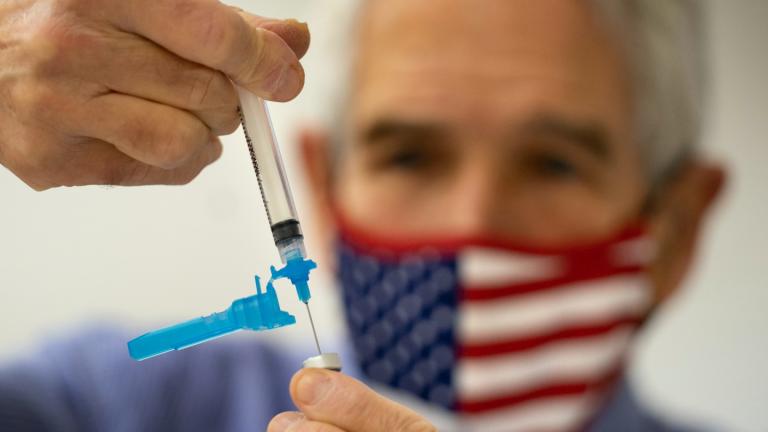
The virus is still with us, though humanity has built up immunity through vaccinations and infections. It’s less deadly than it was in the pandemic’s early days and it no longer tops the list of leading causes of death. But the virus is evolving, meaning scientists must track it closely.
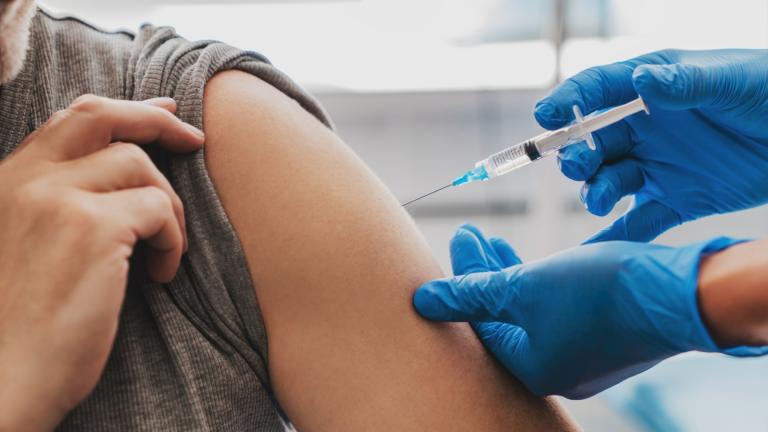
Public health officials are encouraging residents to get vaccinated as soon as possible so they can get some protection ahead of holiday gatherings.

Forecasts from the U.S. Centers for Disease Control and Prevention suggest that this respiratory disease season will be similar to last year’s — which brought more than 20 hospitalizations for every 100,000 people in one week at its peak — and far worse than in pre-pandemic years.

A record share of U.S. kindergartners had an exemption for required vaccinations last school year, leaving more than 125,000 new schoolchildren without coverage for at least one state-mandated vaccine.
The CDC recommends people ages 6 months and older get the updated COVID-19 and flu vaccinations to get the best protection from current circulating COVID-19 variant strains and flu viruses.
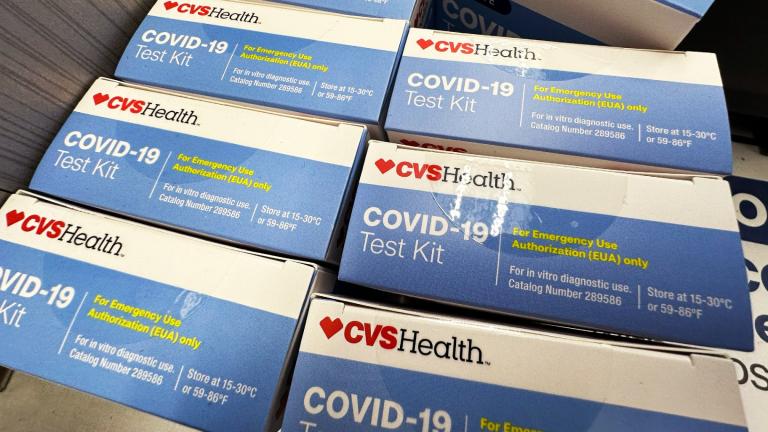
The website has been reopened on the heels of a summer COVID-19 virus wave and heading into the fall and winter respiratory virus season, with health officials urging Americans to get an updated COVID-19 vaccine and their yearly flu shot.
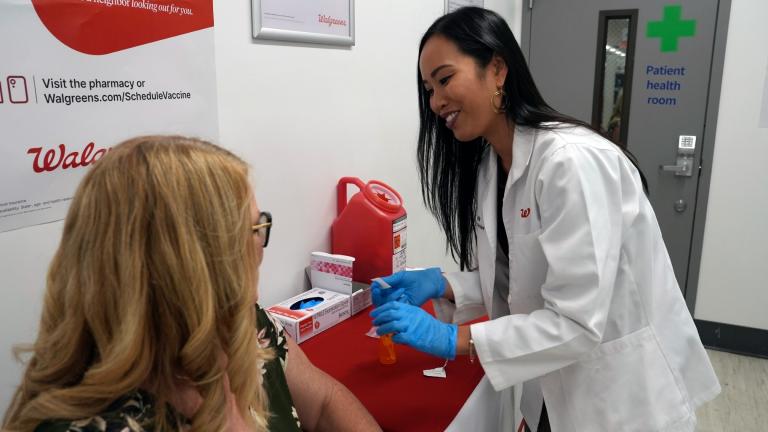
Fall means it’s time for just about everybody to get up to date on their flu and COVID-19 vaccines – and a lot of older adults also need protection against another risky winter virus, RSV.
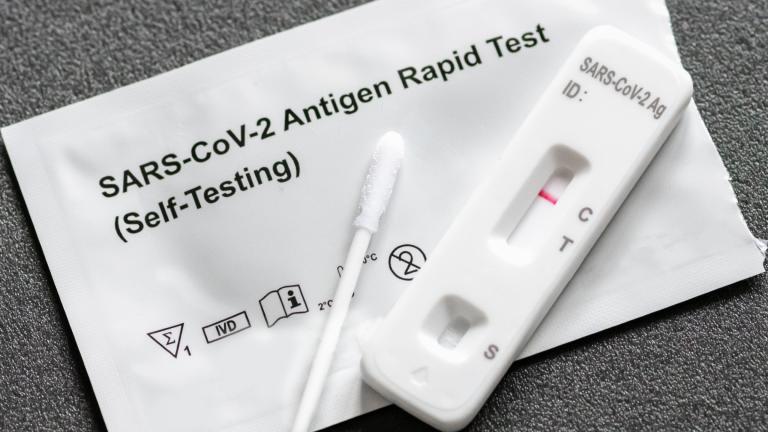
U.S. households will be able to order as many as four nasal swab tests when the federal program reopens.

Last year was the first year that the U.S. had vaccines available to protect against all three major respiratory viruses — COVID-19, flu and RSV — but vaccine uptake was low for the season. Here is what you need to know this year.

COVID-19 levels in the U.S. are very high and rising, according to wastewater surveillance data from the CDC. Levels have been rising since May and are already as high as they were in December of last year. Hospitalization rates related to COVID-19 also remain elevated.
Trending
Early Voting for November General Election Kicks Off in Downtown Chicago
Uptown Theatre Added to Open House Chicago, Catch a Rare Glimpse Inside Gilded Jewel

City Lawyers Propose Spending $260.8M to Settle 16 Cases Tied to Disgraced Ex-CPD Detective Guevara

Chicago Must Pay $10.5M to Family of Man Killed by Driver Being Chased by Police: Supreme Court Ruling

Family of Renee Good Sues Trump Administration, ICE Agents Months After Fatal Shooting in Minneapolis
Sign up for the WTTW News newsletter