

Conservation
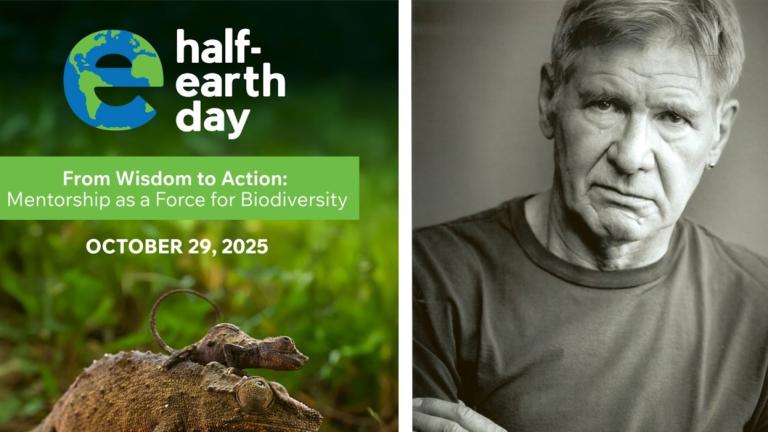
Harrison Ford is one of the most famous people on the planet. David Willard has spent a career and his retirement cataloguing dead birds. Both will be recognized as conservation superstars during October’s Half-Earth Day event at the Field Museum.
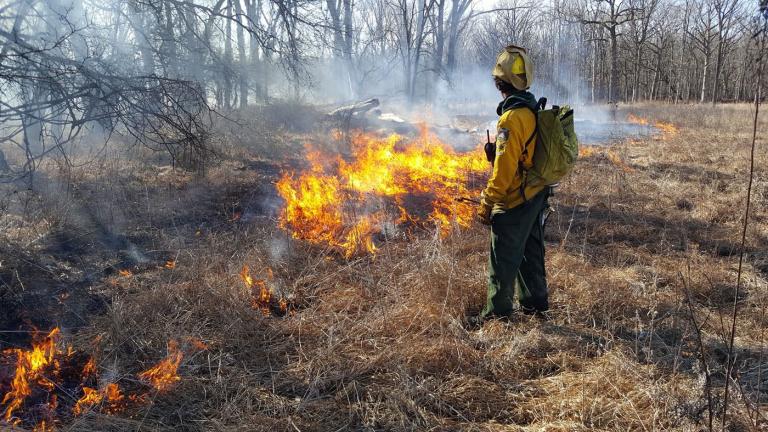
The Illinois Department of Natural Resources has announced nearly $1 million in grants to support stewardship activities in natural areas across the state. Organizations in Cook, Lake and McHenry counties were among the recipients.


A new report explores how unprecedented levels of consumption by heavy water users — namely “hyperscale” data centers — could lead to conflicts over and even shortages of water, even in the Great Lakes.
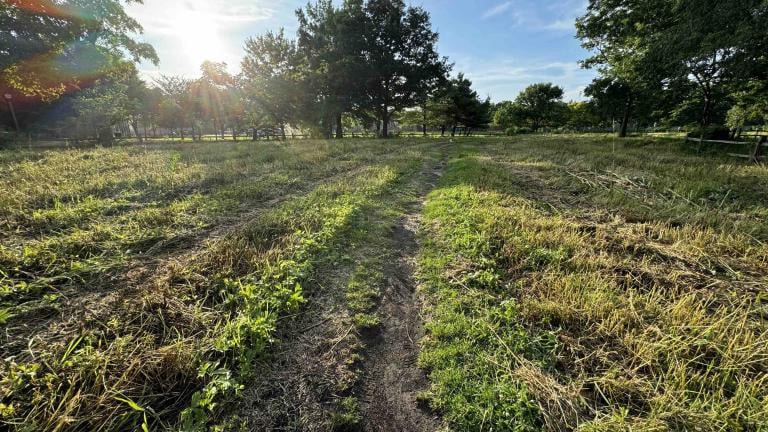
What does the Chicago Park District owe its community of volunteer natural area stewards? Some say a little respect, and maybe a heads up if the district is going to mow down acres of native plants.
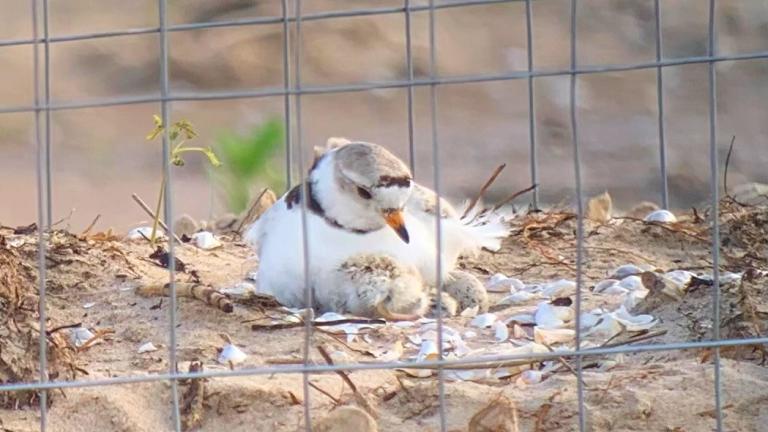
According to the Great Lakes Piping Plover Recovery Effort, 2025 has been a year for the record books, with 82 breeding pairs counted.

Despite desire from Native Americans in Illinois, the ban on Native imagery for mascots in K-12 schools stalled in the Senate after it made its way out of the House.
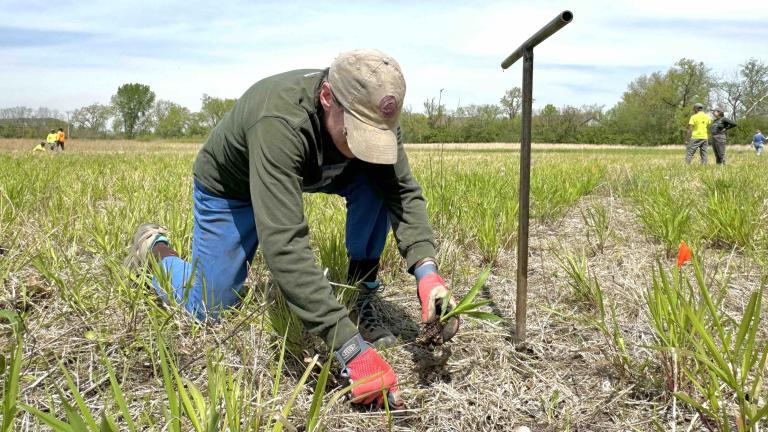
Cook County Forest Preserves is on a mission to restore 30,000 acres of habitat to high-quality condition by the year 2030. There’s just one tiny little problem: a lack of native seed.
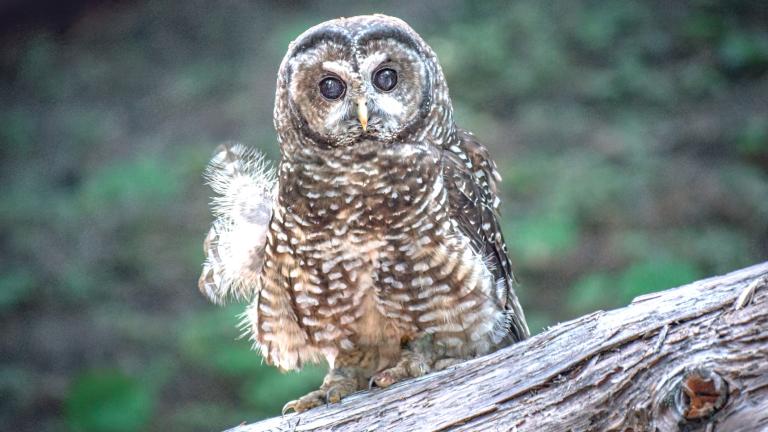
A proposed change to the United States’ Endangered Species Act could threaten not only to reverse decades of progress but accelerate the pace of loss, experts said.
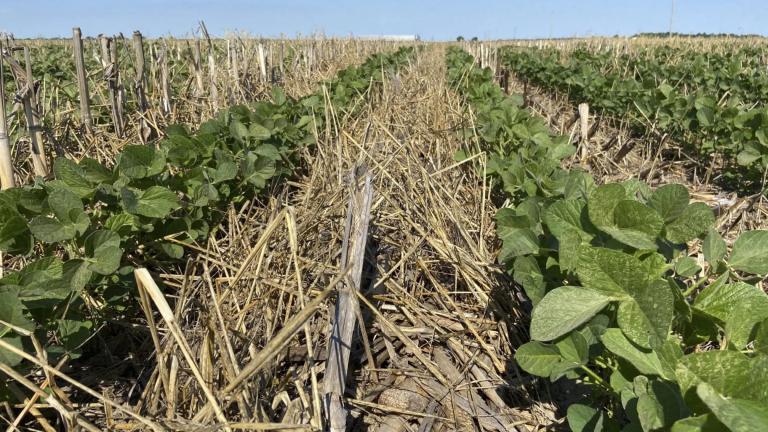
Six years ago, Illinois became the second state in the nation to offer subsidies to farmers for planting cover crops in the fall, an effort to reverse its status as one of the worst states for agriculture runoff.
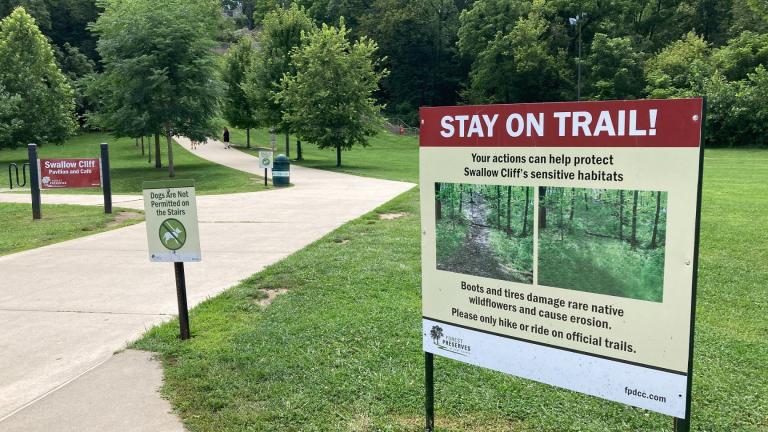
"Unofficial" trails were damaging rare ecosystems in Swallow Cliff Woods. The forest preserve district asked people to stick to marked paths and the message succeeded.
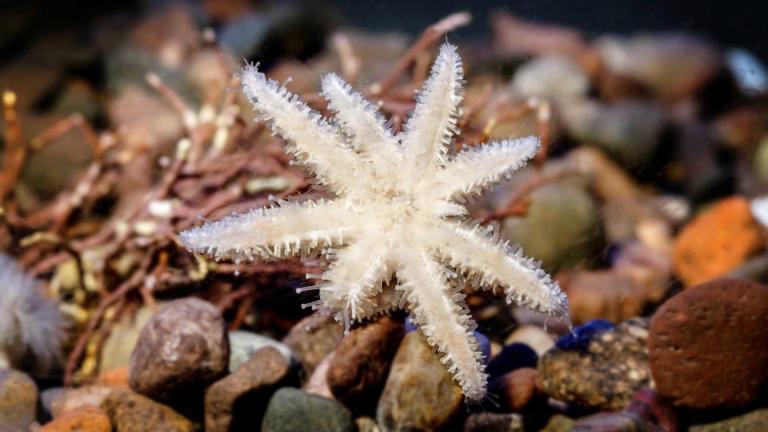
A group of microscopic sunflower sea star larva arrived at Shedd Aquarium last year and have been bulking up behind the scenes ever since. Now, after growing 16,000%, they’re ready to make their public debut.
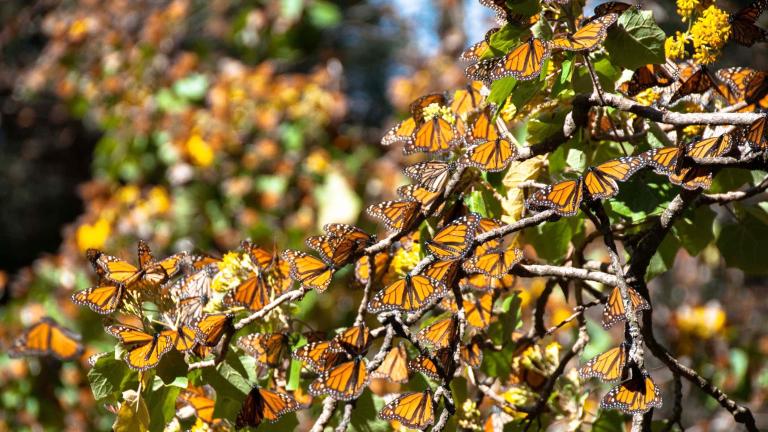
The monarch butterfly population has rebounded from a near record low number in 2024, according to the latest annual survey conducted by the World Wildlife Fund-Mexico.
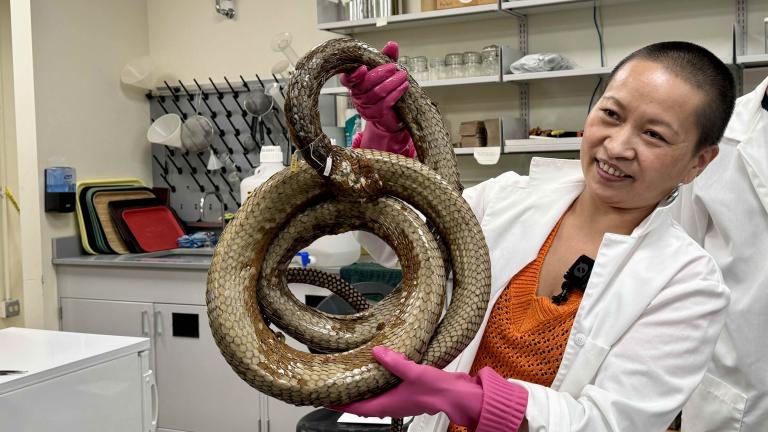
Three new species of king cobras have recently been identified, and the Field Museum’s collection has been harboring one of the rarest for nearly 80 years.
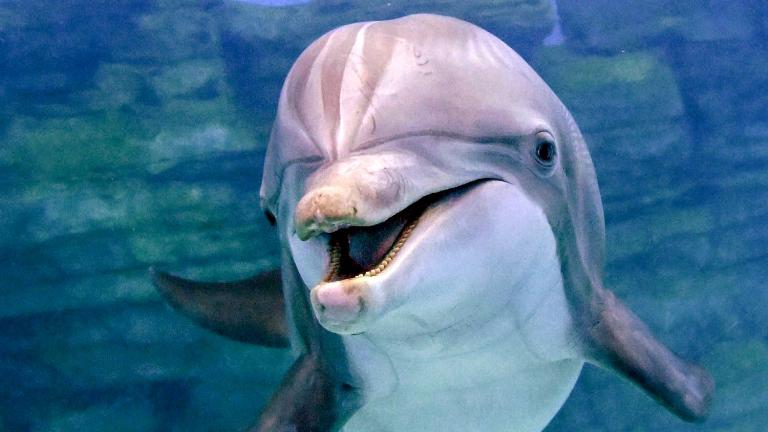
Allie, one of Brookfield Zoo’s bottlenose dolphins, is expecting a calf in late spring/early summer.
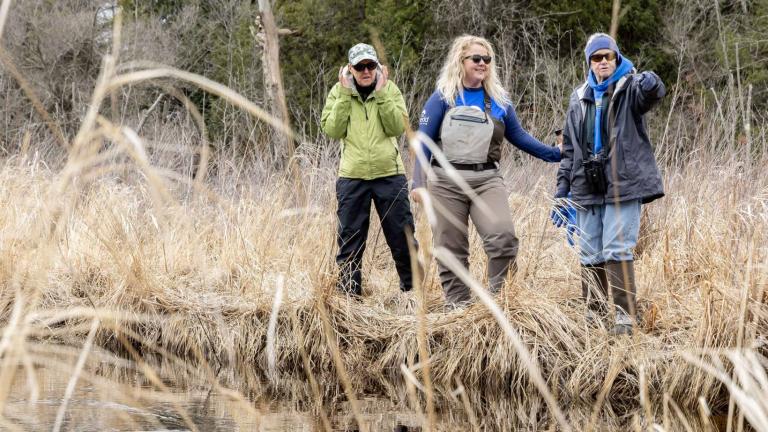
Community volunteers helped Shedd Aquarium researcher Karen Murchie discover an important trigger of sucker fish migration and along the way they've become vital advocates for freshwater animals.
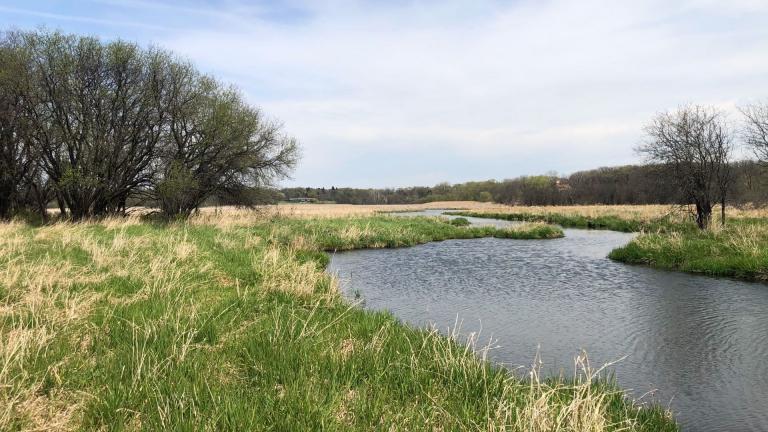
So far in 2024, the district has acquired 249 acres, the second most in any year since 1984, according to officials with the Forest Preserve District of Cook County.
Trending
Early Voting for November General Election Kicks Off in Downtown Chicago

Uptown Theatre Added to Open House Chicago, Catch a Rare Glimpse Inside Gilded Jewel

City Lawyers Propose Spending $260.8M to Settle 16 Cases Tied to Disgraced Ex-CPD Detective Guevara

Chicago Must Pay $10.5M to Family of Man Killed by Driver Being Chased by Police: Supreme Court Ruling

Family of Renee Good Sues Trump Administration, ICE Agents Months After Fatal Shooting in Minneapolis

Sign up for the WTTW News newsletter