

Conservation
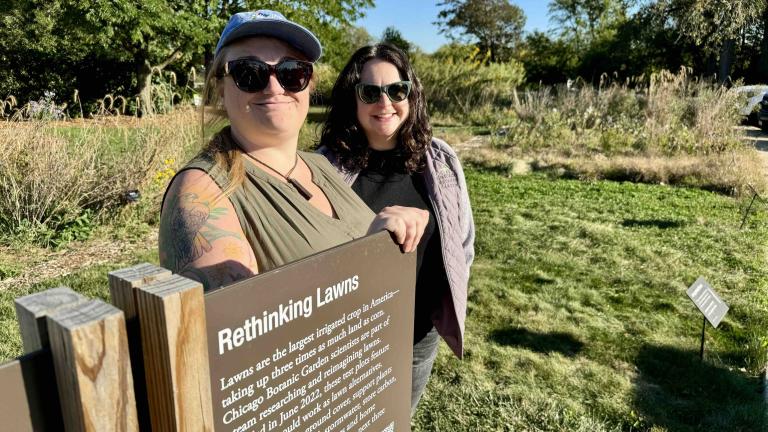
Researchers at the Chicago Botanic Garden and Chicago Park District have teamed up on a project to answer one of ecology’s burning questions: What could lawns be besides grass?
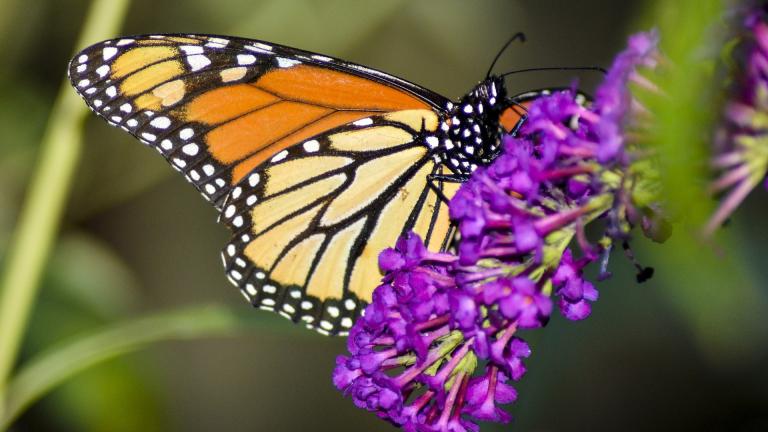

The planting of a non-native milkweed and the practice of captive-rearing monarch caterpillars have been identified as two possible sources of monarchs failure to survive their fall migration.
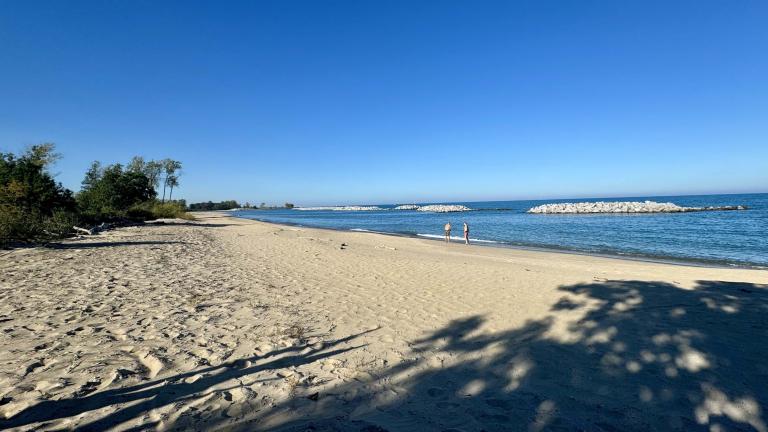
Local officials celebrated the completion of the Illinois Beach State Park Shoreline Stabilization Project, which will protect the state’s only remaining natural shoreline from the devastating effects of erosion.
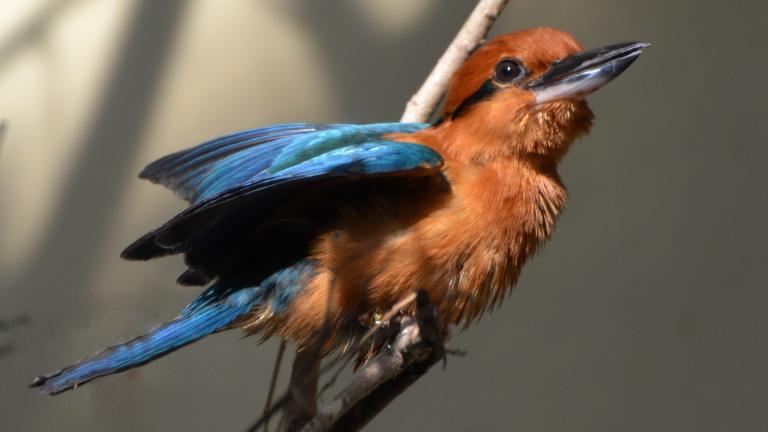
At the end of August, participants in the Sihek Recovery Program, of which Brookfield Zoo is a member, took the first small step toward one day bringing birds and birdsong back to Guam.
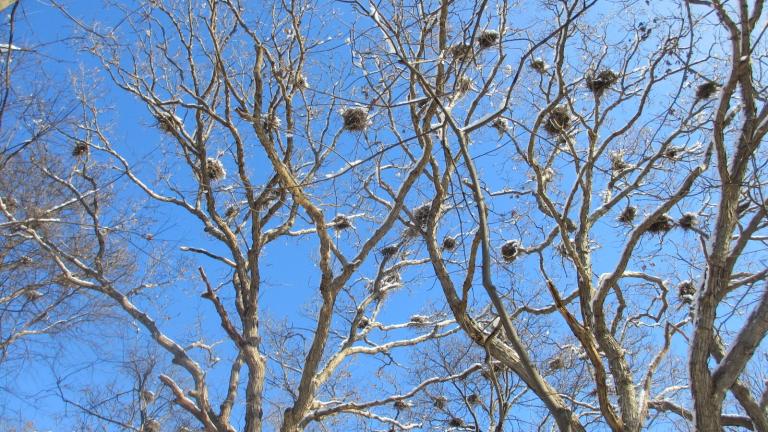
Lake County Forest Preserves has acquired a 41-acre property in order to protect its “rare ecological attributes,” which include the largest heron and egret rookery in the county.
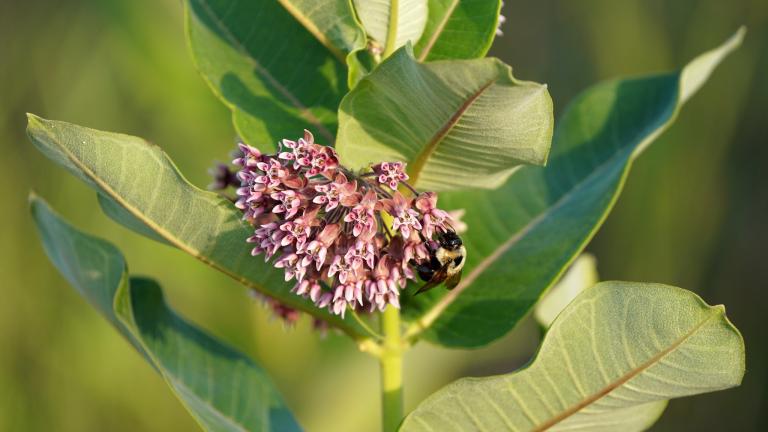
After analyzing data from a community science project on urban milkweed patches, Field Museum researchers have identified common milkweed as the species most attractive to monarch butterflies.
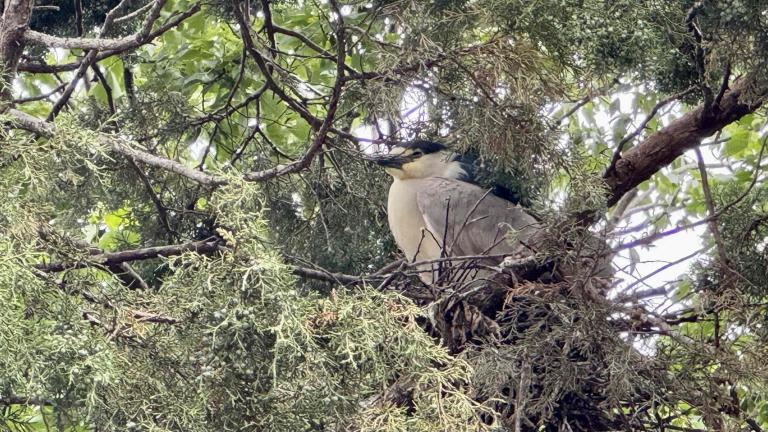
The endangered black-crowned night herons aren’t captive, they just happened to build their nests on the grounds of Lincoln Park Zoo. Why? Because they like having bodyguards.
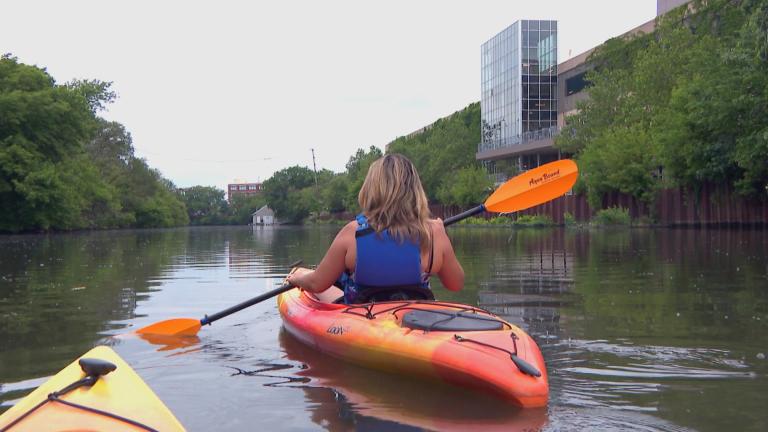
Shedd Aquarium is once again offering an opportunity to explore the Chicago River while learning about efforts to take care of it. The Kayak for Conservation program offers pay-what-you-can tours.
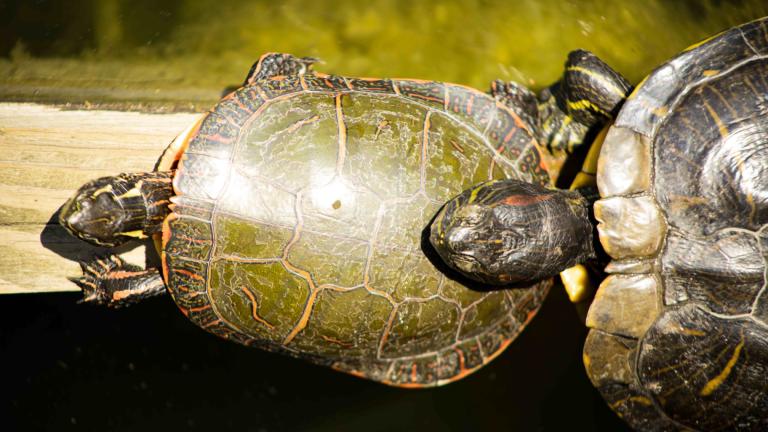
May 23 is World Turtle Day. Sure, it’s a fake holiday, but it’s a good reason to take a closer look at the many species that make their home in northern Illinois.
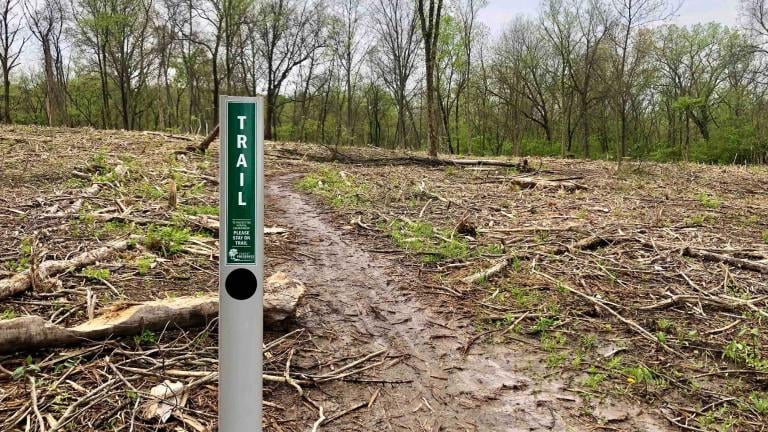
A 1,000-acre, $10 million restoration project is now underway at Red Gate Woods, part of the vast Palos Preserve system in southwestern Cook County.
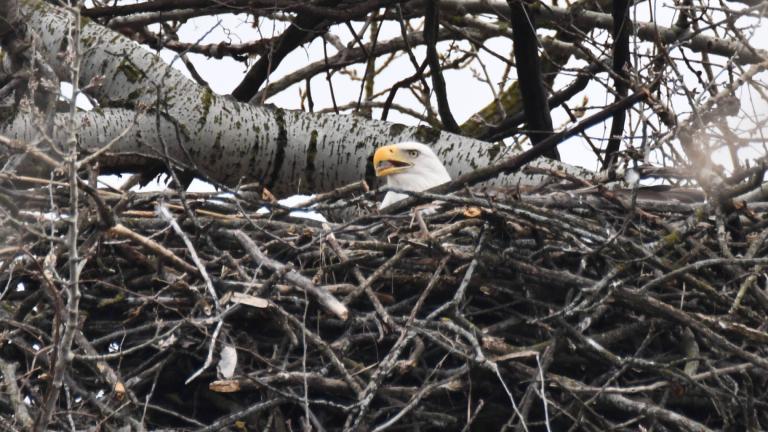
Sharp-eyed observers have now confirmed hatchlings in three of the four bald eagle nests being monitored on Will County forest preserve property.
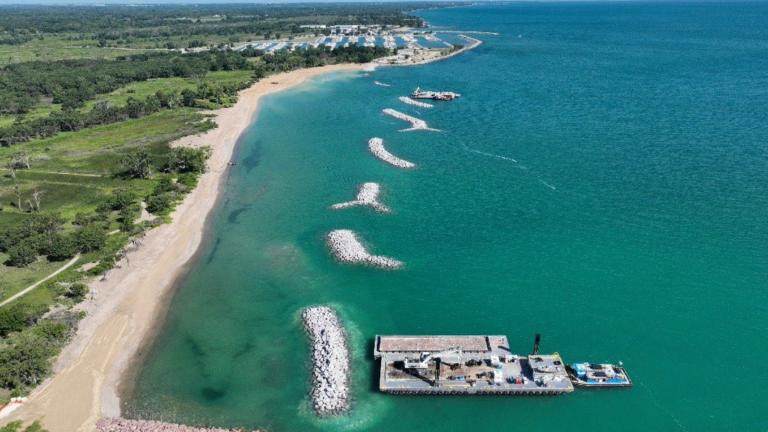
Illinois Beach State Park in Zion on the state’s northern border contains about 10% of Illinois’ Lake Michigan shoreline, with 6.5 miles. But the undeveloped shoreline can erode up to 100 feet per year.
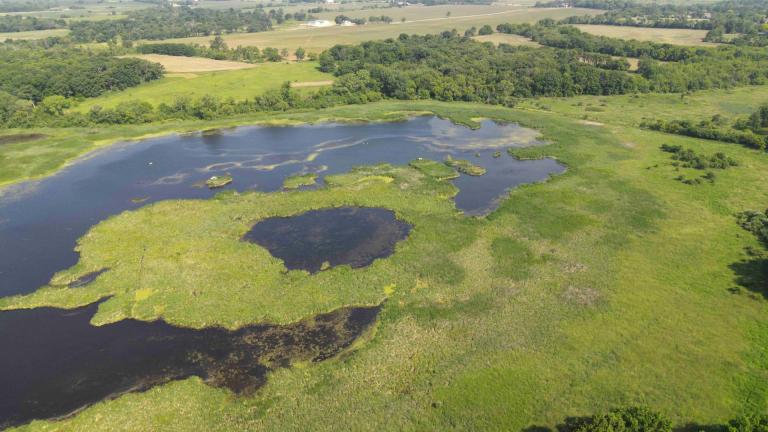
The Conservation Fund, Illinois Audubon Society and Openlands announced the purchase of the 985-acre Tamarack Farms, which will now become the single largest property within McHenry County’s Hackmatack National Wildlife Refuge.
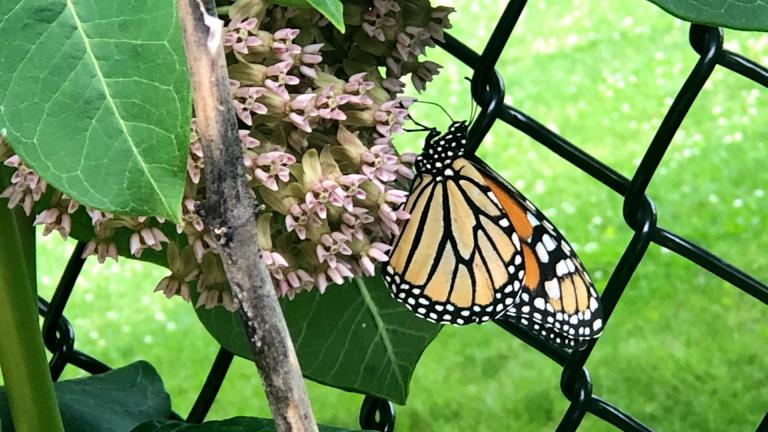
Aster Hasle, a conservation scientist at the Field Museum, said, “Our role in the Midwest is to build that population back up. There is a lot that we can do here to provide habitat that’s going to help.”
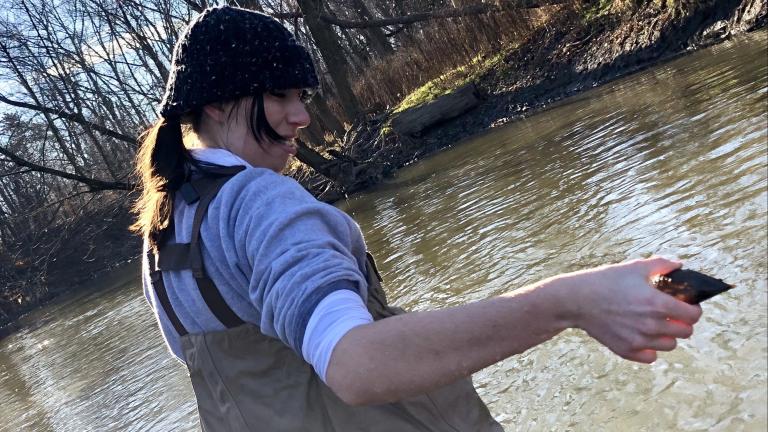
Freshwater mussels can be a river system’s best friend, but they’re missing from long stretches of the Chicago River. Here’s a look at one effort to reintroduce them.
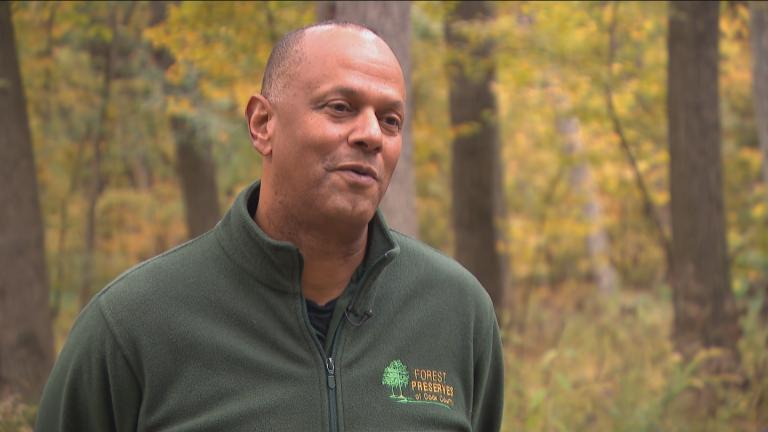
From catching walleye to bringing restoration work out of the dark ages to passage of a groundbreaking tax hike, Arnold Randall reflects on his 13 years as general superintendent of the Forest Preserve District of Cook County.
Trending
Early Voting for November General Election Kicks Off in Downtown Chicago

Uptown Theatre Added to Open House Chicago, Catch a Rare Glimpse Inside Gilded Jewel

City Lawyers Propose Spending $260.8M to Settle 16 Cases Tied to Disgraced Ex-CPD Detective Guevara

Chicago Must Pay $10.5M to Family of Man Killed by Driver Being Chased by Police: Supreme Court Ruling

Family of Renee Good Sues Trump Administration, ICE Agents Months After Fatal Shooting in Minneapolis

Sign up for the WTTW News newsletter