

American Academy of Pediatrics

New evidence shows that kids need pauses between concentrated bouts of learning so the brain can hold and store the information. Researchers also say recess gives kids a chance to navigate relationships and build confidence, which is just as important for older kids as younger ones.

It’s a major step back from comments made at a White House news conference in September, when Trump and FDA commissioner Marty Makary announced the drug was under review to benefit patients with autism.
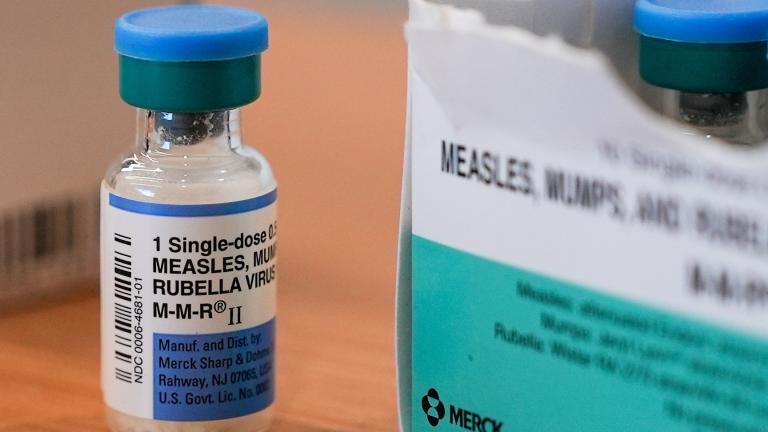

The Centers for Disease Control and Prevention announced Monday it is no longer recommending that all children receive vaccines against: RSV, flu, hepatitis A, hepatitis B, meningococcal disease and rotavirus. Instead, the federal government now only recommends protection against these diseases for certain children at high risk.
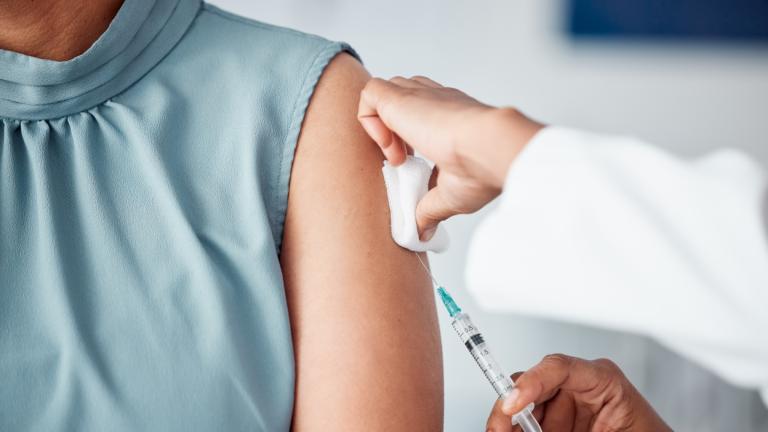
The latest COVID-19 vaccines were approved for people who are 65 and older or have certain health conditions. But medical organizations like the American Academy of Pediatrics — and some states — are breaking from the federal guidelines by expanding their recommendations.
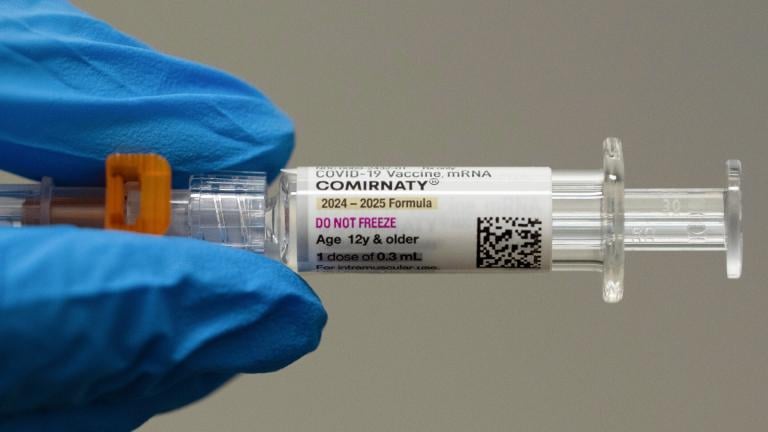
The group’s new COVID-19 recommendations come amid a tumultuous year for public health, as vaccine skeptics have come into power in the Trump administration and government guidance has become increasingly confusing.

For nearly a decade, national guidelines have recommended introducing safe forms of peanut-containing foods to infants to help reduce allergy risk; however, a new study by Northwestern Medicine found that many families aren’t receiving that guidance from their pediatrician.

“Sometimes, children and teens in certain sports believe they need to achieve a particular body type to be successful,” said Dr. Rebecca Carl. “Unless they have a healthy strategy to work toward their goals, however, they can end up defeating themselves and causing health problems.”

Children under the age of 18 should not be given codeine, says the American Academy of Pediatrics in a new report that cites life-threatening events and even deaths linked to the drug.
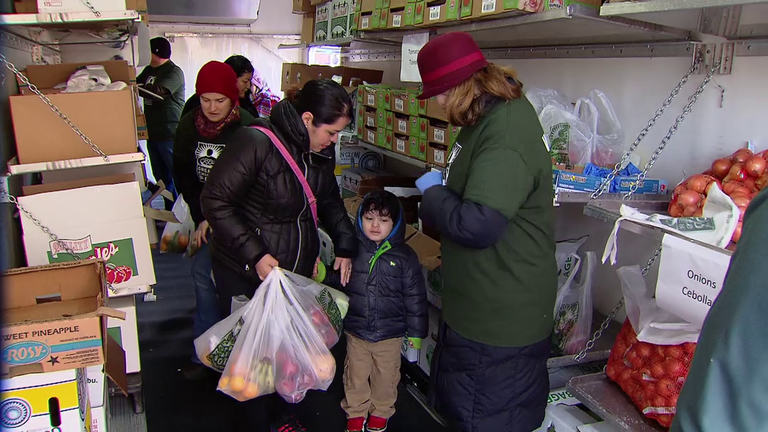
Twenty percent of children in Cook County are what’s known as food insecure–living in families who can’t afford or can’t access nutritious food. A new program aims to tackle food insecurity among some Chicago-area children and their parents. Take a look at how the program works.
Trending
Pair of Chicago Elementary Schools Named Top in Illinois in New U.S. News Rankings

Mother-Son Reunions Among Latest Milestones for Shedd’s Rescued Belugas

Migration Mass Casualty With At Least 1,000 Birds Injured or Killed This Weekend in Chicago and on Northwestern’s Campus

Early Voting for November General Election Expands in Chicago, Suburban Cook County

Giannoulias, Quigley, Wilson — But Not Johnson — Among First to File Signatures Ahead of Chicago’s February Mayoral Election

Sign up for the WTTW News newsletter