

Science & Nature
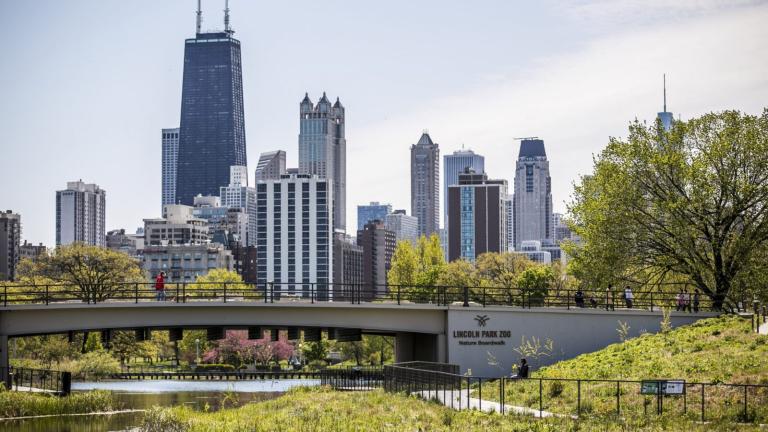
Lincoln Park Zoo has been increasing its profile as a caretaker of plants and trees as much as animals, and it now has official accreditation as a botanic garden to show for it.
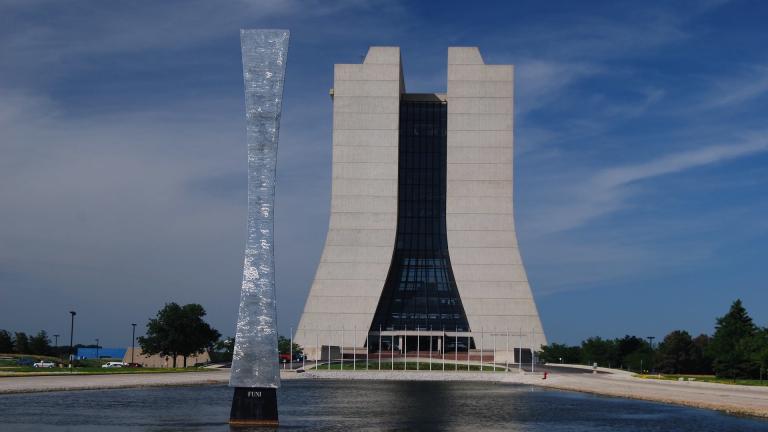
The national laboratory in Batavia chopped the duration of its previously announced closure nearly in half, and said some of its research projects will continue before it reopens to the public on Sept. 3.
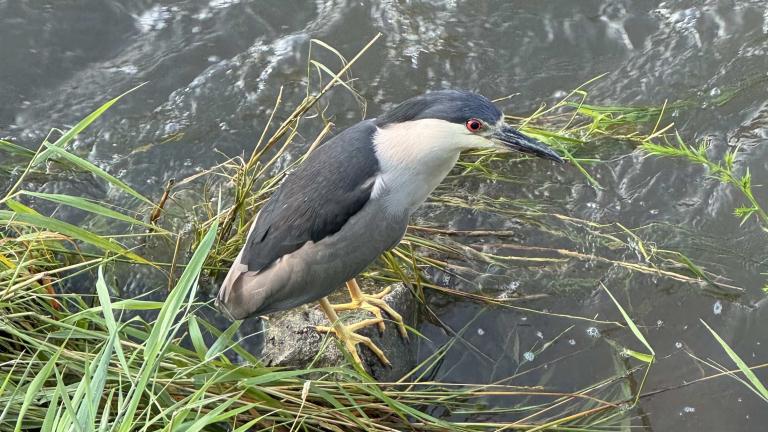
Registration opens Saturday for the two-day festival set for Sept. 14-15.
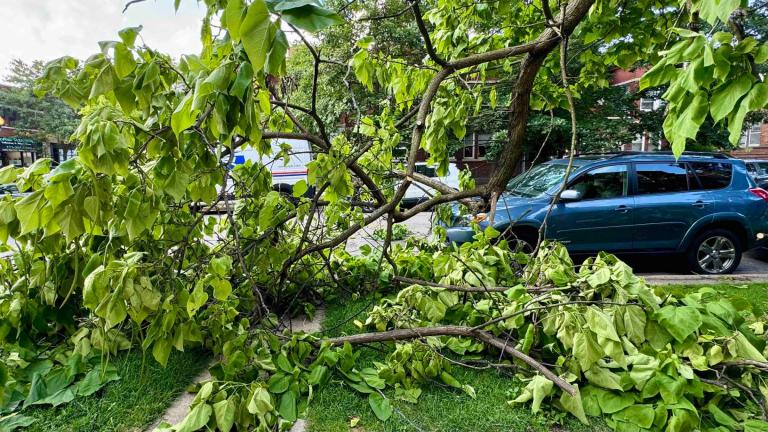
Chicago received 9,000 reports of tree emergencies following July’s tornadoes, and a whopping 6,500 of those involved entire trees felled.
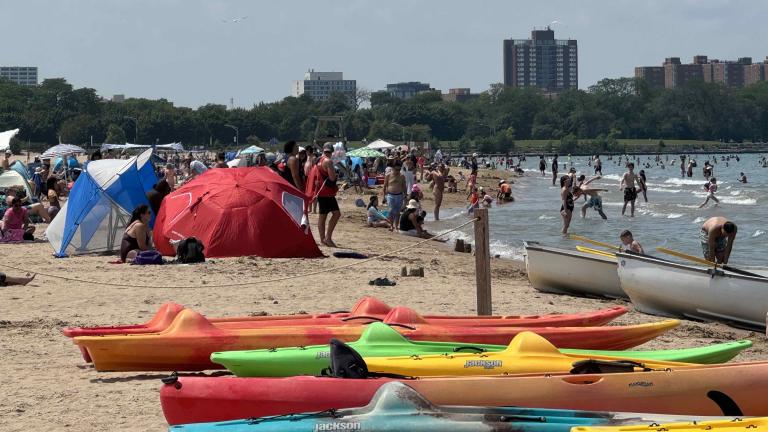
While parts of the U.S. experienced record-breaking heat, July in Chicago was actually slightly cooler than normal.
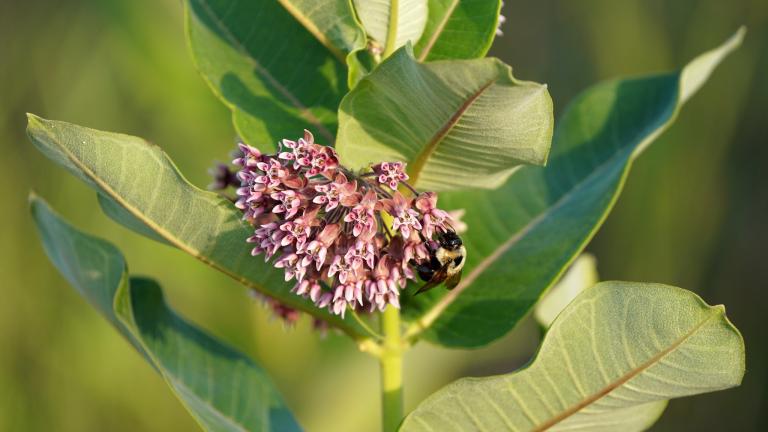
After analyzing data from a community science project on urban milkweed patches, Field Museum researchers have identified common milkweed as the species most attractive to monarch butterflies.
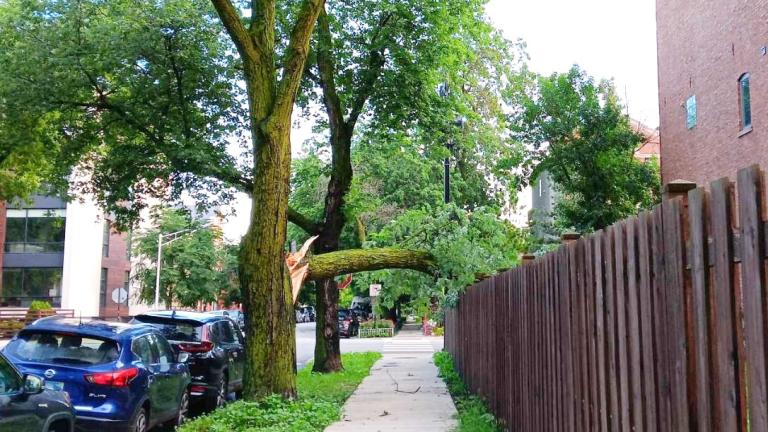

The National Weather Service in Chicago has so far reported 31 tornadoes in one storm event — surpassing the previous daily record of 22 measured just last year. While there’s debate over how these storms should be defined — researchers are looking into the factors leading to extreme weather and how to protect communities.
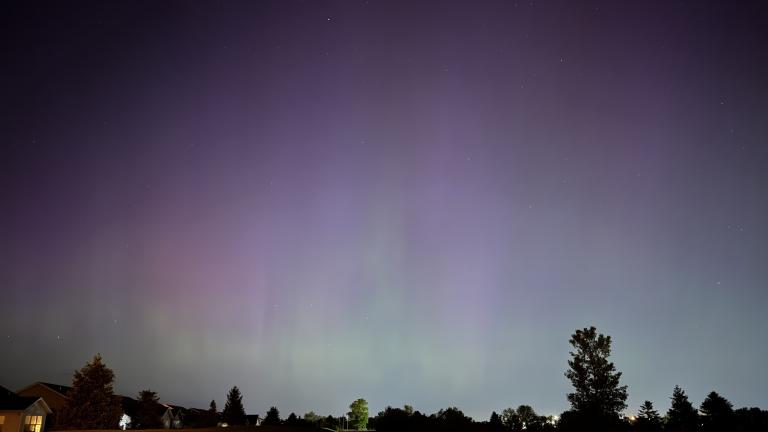
An eruption of solar particles is headed toward Earth and the impact could be strong enough to make the aurora borealis visible in the lower Midwest, including northern Illinois, through Thursday.

Carbon capture and sequestration, known as CCS, is a technology that prompts both eager anticipation and environmental anxiety. It’s a technology that’s been eyed by energy producers in Illinois for years, with multiple previous proposals and one that’s expected to resurface soon. And it’s a technology that landowners and environmentalists view with concern at best and fear at worst.

The changes are detailed in the zoo’s $500 million Next Century Plan, which is in anticipation of the zoo’s 100th anniversary in 2034. Dr. Mike Adkesson, president and CEO of Brookfield Zoo, joined “Chicago Tonight” to discuss the plan.
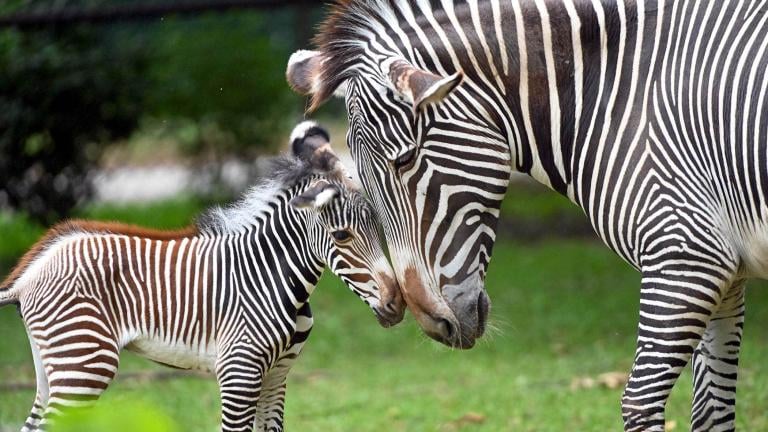
A male Grevy’s zebra foal arrived July 27, Brookfield Zoo announced. The newcomer is already off and running.

The Margaret A. Muir sank only a few miles off the entrance to Algoma Harbor. It went undetected for more than a century despite hundreds of boats passing over it each fishing season.
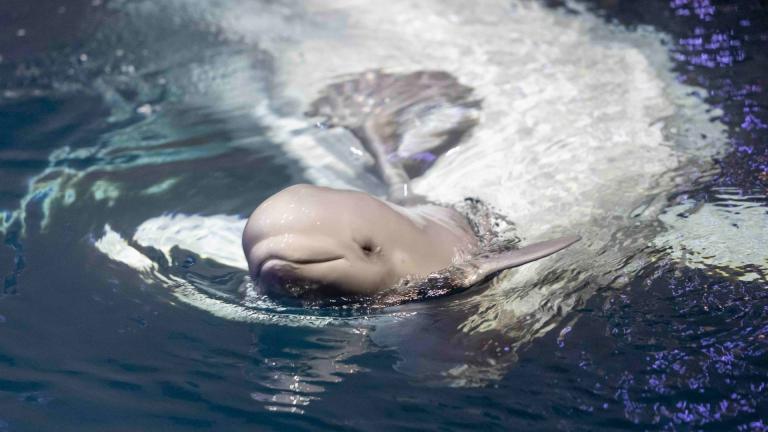
The not-so-little one — measuring 5 feet and weighing 105 pounds — arrived Wednesday night, the first beluga born at Shedd since 2020.

Something appears to be lurking in the water at Lincoln Park’s North Pond, and some swear it’s an alligator.

PsiQuantum, which is set to receive $200 million in tax incentives for its work in Illinois, will serve as the anchor tenant of a quantum campus on the city’s Southeast Side that, at the behest Pritzker, the state is allocating $300 million from this year’s budget to build.

If the Bally’s hotel and casino on the Chicago River aren’t built with birds in mind, the question isn’t whether birds will die in collisions but how many. “It could rival the carnage at McCormick Place,” one advocate said.
Trending
2026 Chicago Festival Guide

Who Is Running, or Thinking About Running, to Become Chicago’s Next Mayor

This 50-Ton Prehistoric Boulder Was Unearthed at O’Hare, Contest Is On To Name It
8 Killed in Shootings Over Labor Day Weekend Across Chicago: Police
NYC Mayor Mamdani Releases 9/11 Records Showing City Officials Misled New Yorkers About Air Quality Around Ground Zero

Sign up for the WTTW News newsletter