

Science & Nature
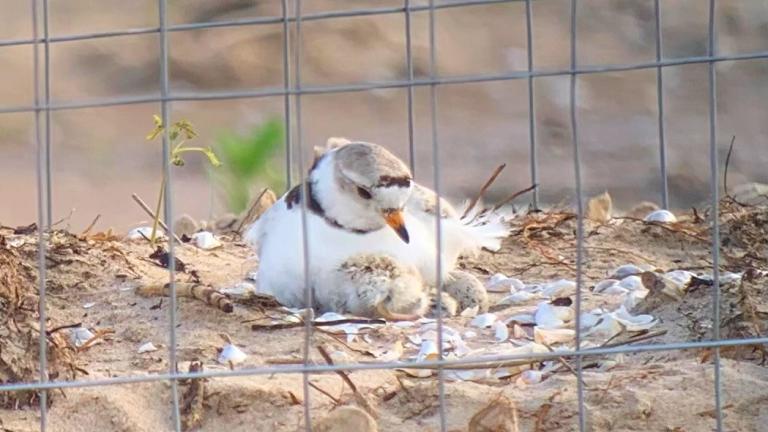

Piping plover chicks have also recently hatched at Illinois Beach State Park.

Drowning is the leading cause of death for children ages 1 to 4 and the second leading cause of unintentional death for children in the 5 to 14 age group, according to the Centers for Disease Control and Prevention.
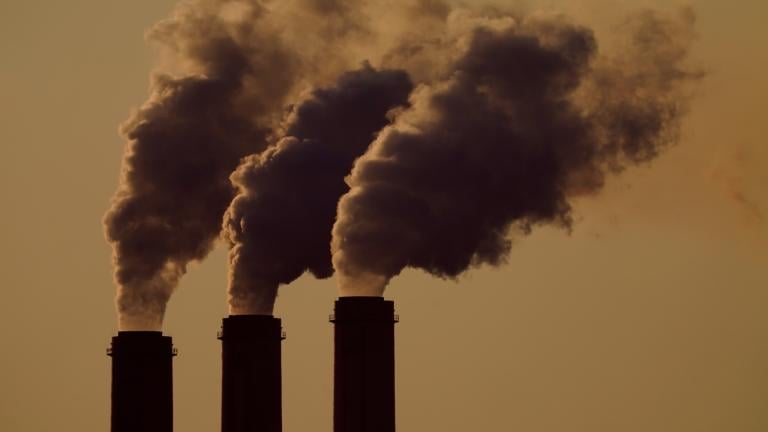
What It Means for the Supreme Court to Block Enforcement of the EPA’s ‘Good Neighbor’ Pollution Rule
The rule applies mostly to states in the South and Midwest that contribute to air pollution along the East Coast. Some states, including Illinois and Wisconsin, both contribute to downwind pollution and receive it from other states.
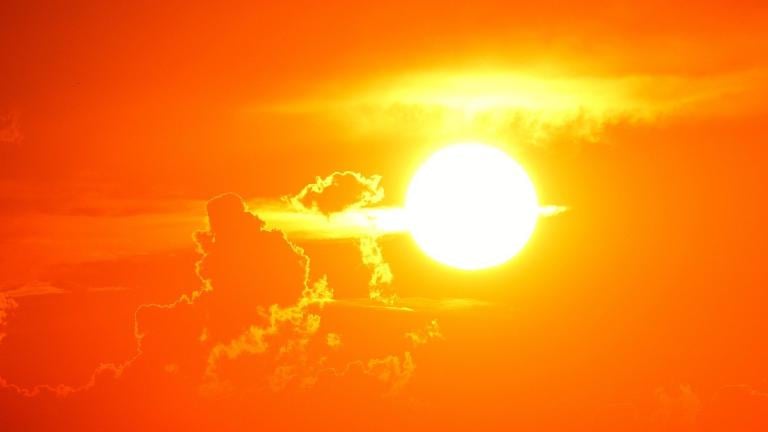
Astronomical summer officially begins at 3:50 p.m. on Thursday, when the sun shines directly on the Tropic of Cancer, according to the National Weather Association. Thursday will see nearly 15 hours and 14 minutes of daylight.

Environmental and consumer advocates predict more legal protections from the heat in the near future, as climate change continues to wreak havoc.
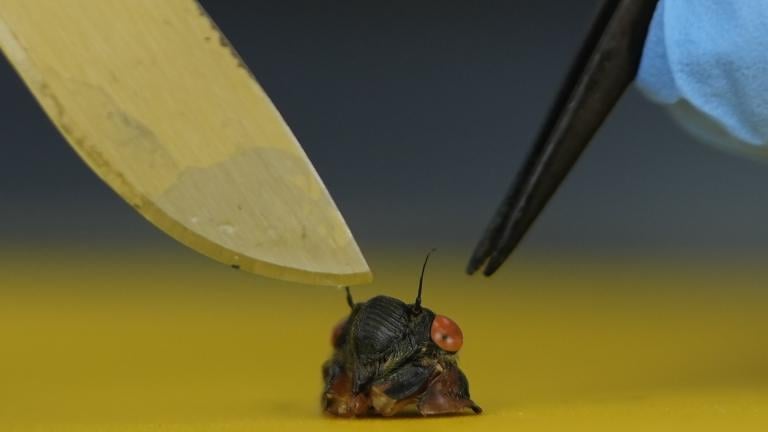
Collecting Sex-Crazed Zombie Cicadas on Speed: Scientists Track a Bug-Controlling Super-Sized Fungus
With their bulging red eyes and their alien-like mating sound, periodical cicadas can seem scary and weird enough. But some of them really are sex-crazed zombies on speed, hijacked by a super-sized fungus.
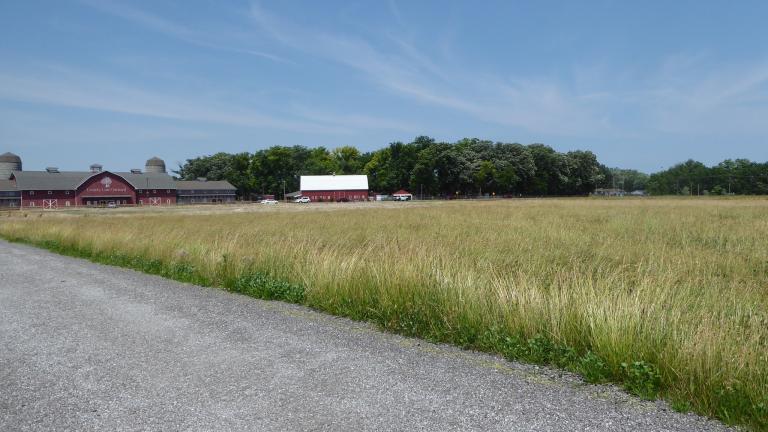
What happens when an endangered bird nests in a hayfield set to be harvested? A great debate has been swirling in Northwest Indiana.
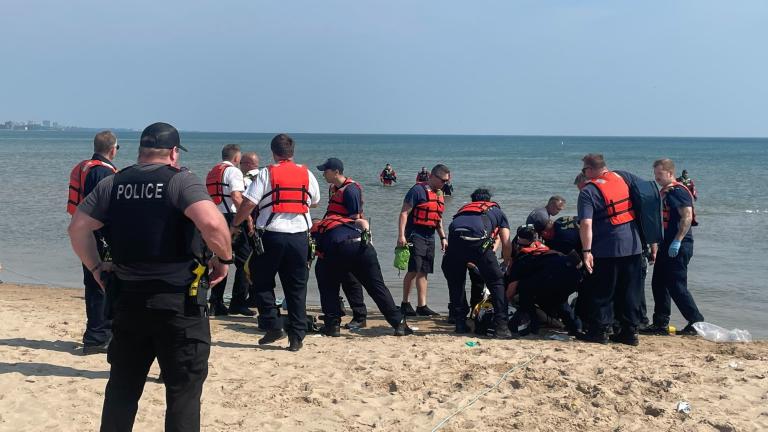
Multiple people have drowned in recent days as Chicagoans head to Lake Michigan to beat the heat.
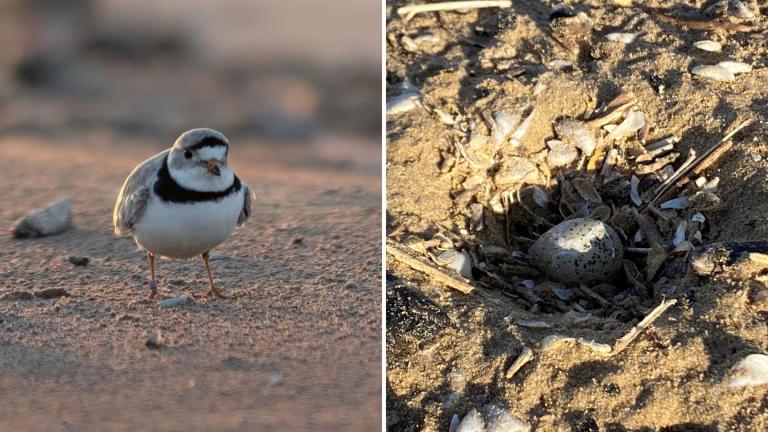
Only one egg had initially been reported at the end of May, but now monitors say Imani and Sea Rocket are incubating a full clutch of four eggs.

All of the Chicago Park District’s 77 outdoor and indoor pools are expected to be open six days a week from June 17 through Sept. 2. Beaches are also open.
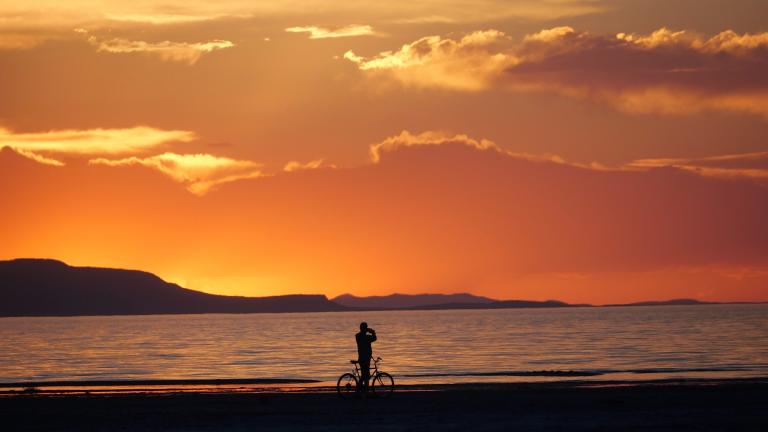
Last year the U.S. had the most heat waves — abnormally hot weather lasting more than two days — since 1936. In the South and Southwest, last year was the worst on record, according to the National Oceanic and Atmospheric Administration.
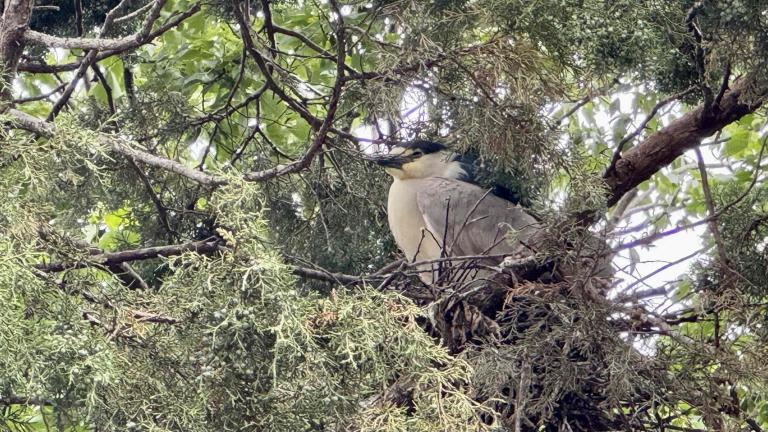
The endangered black-crowned night herons aren’t captive, they just happened to build their nests on the grounds of Lincoln Park Zoo. Why? Because they like having bodyguards.

Chicago’s tree canopy is in decline and ranks far below the national average, according to the U.S. Department of Agriculture, which also indicates a disparity in trees on the city’s South and West sides. The local conservation organization Openlands has been working to reverse these trends.
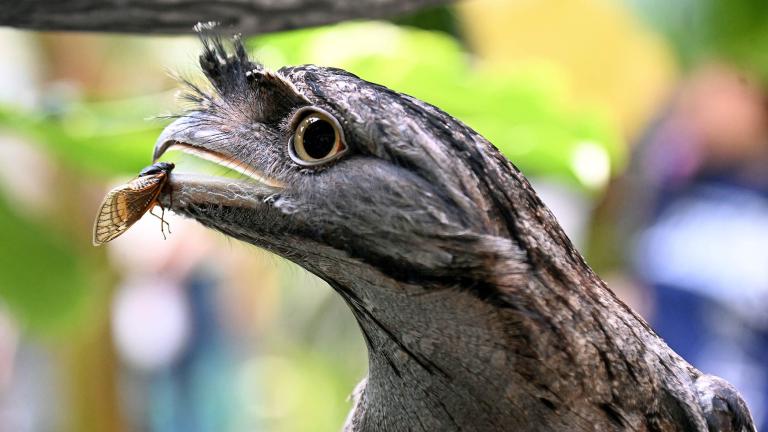
All signs point to a cicada-induced vitamin deficiency as the cause of a mystery disease that affected some birds during a 2021 emergence and now again in 2024.

The U.S. has been thrashed with 11 extreme weather disasters with costs exceeding $1 billion so far this year, with a total price tag of $25.1 billion, according to an updated tally from the National Oceanic and Atmospheric Administration. It’s tied for the second-most such disasters on record and doesn’t even include the extreme weather in the second half of May, said Adam Smith, an applied climatologist with NOAA.
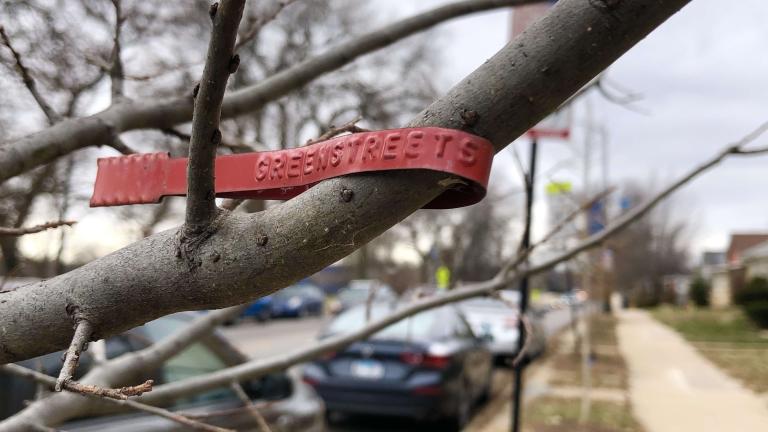
The Chicago Park District also received nearly $1.5 million to conduct an inventory. Morton Arboretum's Chicago Region Trees Initiative is administering the grants on behalf of the Illinois Department of Natural Resources.
Trending
2026 Chicago Summer Festival Guide

Interim Top Cop Collecting $142K Annual City Pension While Earning $211K Salary, Records Show

Pritzker Signed 78 Bills Last Week, Including Requirements for Boater’s Insurance and Home Service Appointment Windows

What Impact Would a Switch to Permanent Daylight Saving Time Have?

Chicago Area Cleaning Up After Powerful Storms Cause Flooding and Downed Trees
Sign up for the WTTW News newsletter