Health
Addiction Recovery Clinic Sees Increase of 7-OH Patients as Feds Seek to Crack Down on the Opioid-Like Drug
Federal officials and addiction specialists in the Chicago area are sounding the alarm on a highly potent and addictive drug that can be found at gas stations and vape shops amid a crackdown effort by the U.S. Drug Enforcement Administration.
7-OH, or 7-Hydroxymitragynine, is a synthetic compound related to Kratom, but is much more potent and dangerous, according to Dr. David Kushner, medical director at Brightside Recovery, an addiction recovery clinic specializing in opioid use disorders in the Chicago area.
Brightside Recovery — with locations in Northbrook, North Aurora, Olympia Fields, Rockford and Peoria — has seen a threefold increase in the past several months of patients coming in for 7-OH, according to co-founder and executive vice president Phil Atteberry. In the last month, 9 in 10 patients coming into the clinic were using 7-OH.
7-OH products often have colorful packaging and can come in the form of tablets, energy shots or gummies. The effects of 7-OH are similar to opioids, and users may even experience severe withdrawal symptoms upon suddenly stopping use, according to Kushner.
People might take it based on misinformation on what it is and with the hope that it can help with pain, anxiety and opioid withdrawal, according to addiction specialists.
“It’s very accessible, but very dangerous and as powerful as any of the opioids that we’ve been working on,” said Kushner, whose clinic treated patients during the heights of the fentanyl overdose crisis. Now, the number of 7-OH patients coming into the clinic has outpaced the number of fentanyl patients, according to Kushner.
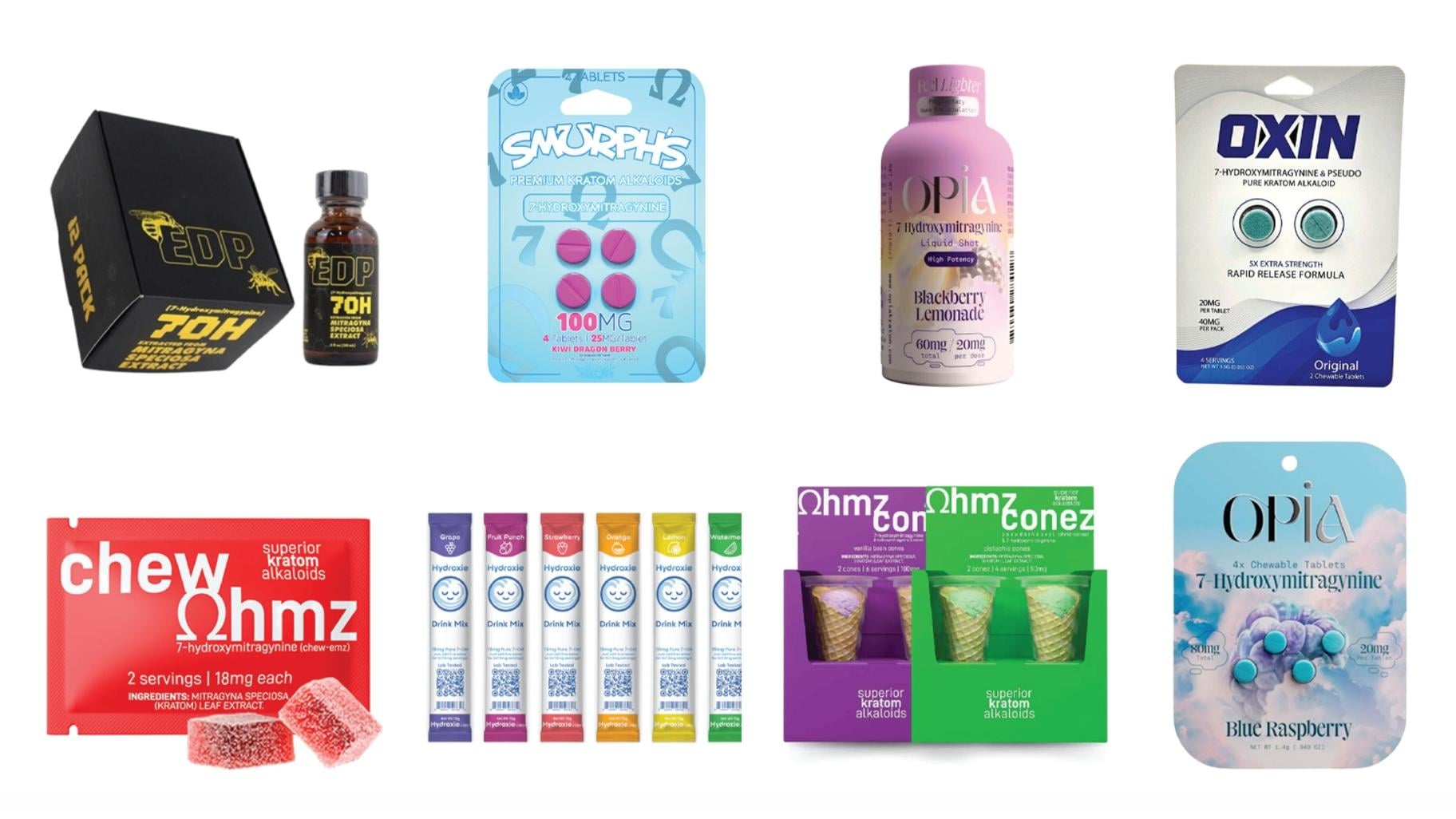 Select illustrative examples of 7-OH products on the market. (Courtesy of U.S. Food and Drug Administration)
This summer, the U.S. Drug Enforcement Administration proposed temporarily listing products containing high levels of 7-OH as Schedule I, which would make it illegal to sell.
The increase in the number of patients Brightside Recovery has seen are likely due to people seeking help in light of the potential scheduling to the substance, according to Atteberry. He raised concerns over some people, instead of getting help, resorting to drugs like fentanyl or heroin to avoid withdrawal symptoms, which can lead to a next wave in the opioid crisis.
Atteberry said he went to more than 50 vape shops to provide store clerks and owners with information they can share with patrons to let them know that treatment is available for those who may need it.
“We just wanted to give them information that if someone is looking for treatment, there are options out there,” Atteberry said. “We want to arm these stores with a solution because if someone is suffering from withdrawal symptoms, it can be very difficult, very challenging.”
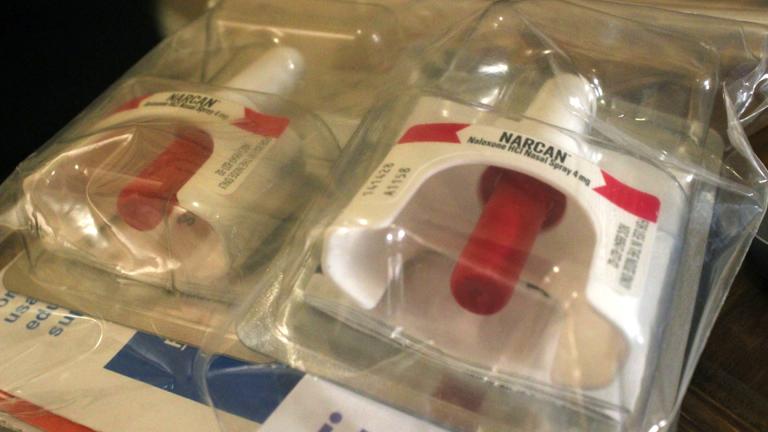
In a statement, the Illinois Department of Public Health said it was “aware of the rise of synthetic substances and other opioid agents that can cause harm when consumed. IDPH has seen a steady decrease of kratom/7-OH fatalities over the last five years. IDPH works with local and state partners, through initiatives like the Local Health Protection Grant, to provide naloxone and opioid test strips to schools and first responders. The use of naloxone and opioid reversal agents are still recommended to prevent overdose and to reduce harm.”
The Substance Abuse and Mental Health Services Administration National Helpline offers free and confidential help for people facing substance abuse issues. Connect with treatment and mental health referrals near you by calling 1-800-662-HELP (4357) or texting your ZIP code to HELP4U (435748).
Contact Eunice Alpasan: [email protected]