Science & Nature
Cook County Voters Gave the Forest Preserve a Tax Increase, New Report Shows Where the Money Went
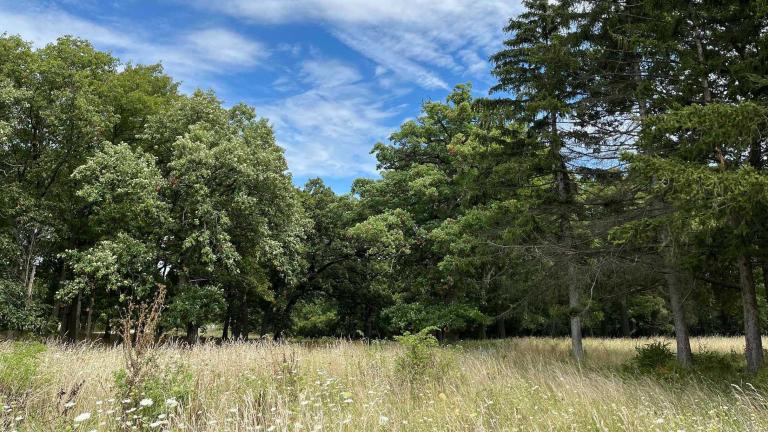
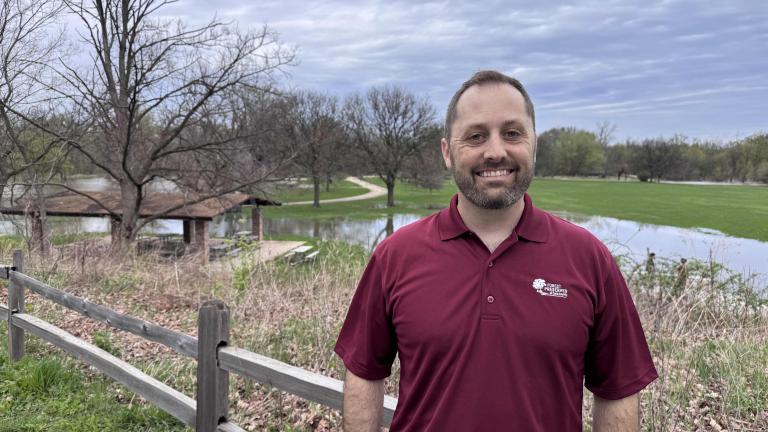
 Spring Lake Forest Preserve, Cook County. (Patty Wetli / WTTW News)
In 2022, voters in Cook County overwhelmingly approved a tax increase that added $40 million annually to the Forest Preserve District’s bottom line.
Officials vowed to use the funds to expand ecological restoration work, add more land to the preserve system, address critical long-term needs and grow programming and public outreach.
Have they delivered?
At Tuesday’s meeting of the county’s board of commissioners — who also oversee the preserves — Adam Bianchi, general superintendent of the forest preserves, delivered a report outlining key investments made between 2023 and 2025 that he said “simply would not have happened” without the additional tax dollars.
Among the undertakings Bianchi cited:
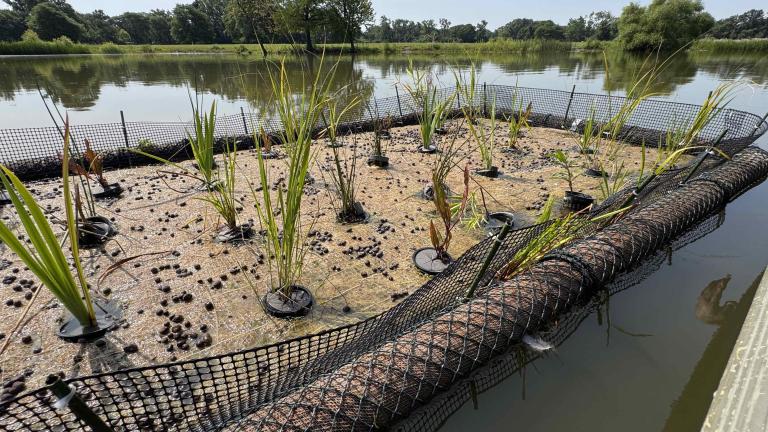
— $11 million has gone toward ecological restoration projects, including a seed amplification program through which the district, in partnership with the Chicago Botanic Garden, is growing, collecting and processing more of its own native seed.
— Nearly $4 million has been spent on repairs to picnic sites and bathrooms.
— An additional 3,000 acres are undergoing ecological restoration, bringing the total to more than 18,000 acres.
— Another $4 million went toward trail improvements.
— Badly aging vehicles were replaced, and the district modernized its garbage collection with the purchase of trash/recycling combo receptacles.
The district’s pension fund is now on track to become fully solvent, Bianchi added.
At the same time, the district has been able to increase its annual contributions to Brookfield Zoo and the Chicago Botanic Garden to the tune of roughly $4.7 million for the former and $2.8 million for the latter, enabling those institutions to tackle needs of their own.
Chicago Botanic Garden reported the repair or replacement of paths, bridges, pumps, irrigation and drainage.
Brookfield Zoo said it had made critical improvements to aging infrastructure, from HVAC to fire and security alarms, some of which dated back to the zoo’s founding in 1934. It also invested in the kinds of back-end updates that seldom attract private philanthropical interest, like a new ozone generator for the zoo’s Dolphin Bay exhibit.
While the approval of the tax referendum allowed the district to make a leap forward in terms of adding programs, managing its acreage and improving facilities, Bianchi said that growth spurt has plateaued at a level the preserves can maintain going forward.
The goal now is for the district to stay on a fiscally sustainable path and continue to live within its means, the report concluded.
Contact Patty Wetli: [email protected]