Education
How 4 Organizations Are Working to Reduce Chronic Absenteeism at Chicago Public Schools
Thousands of kids flooded the hallways of Chicago Public Schools on Monday for the first day of school, but many of these students may become chronically absent as the school year continues — meaning they will miss 10% or more of classroom instruction.
Earlier this year, A Better Chicago launched Every Day Counts, a citywide initiative designed to reverse chronic absenteeism in Chicago.
BUILD Chicago, Enlace Chicago, Illinois Action for Children and The Alliance 98 were selected to receive part of $10 million in grant funding to help increase attendance through mental health services, family support and additional programming.
More than 40% of CPS students were considered chronically absent in the 2024-25 school year. That adds up to about 130,000 students, 10% more than the national average and nearly double the pre-pandemic rate.
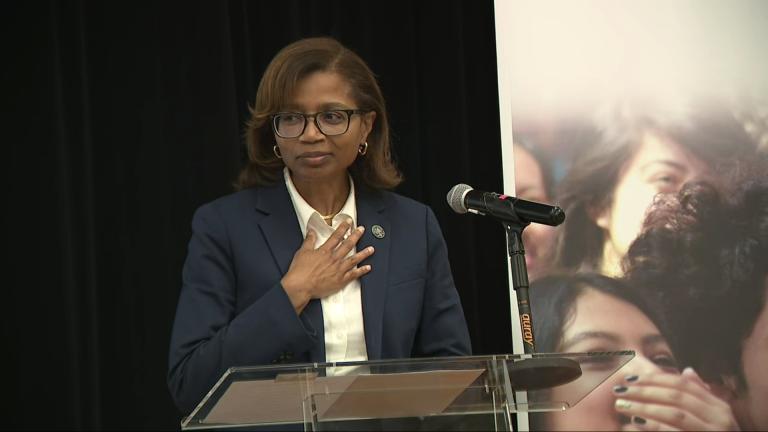
Nataly Barrera, CIO of A Better Chicago, said students may be missing school because of external factors like family stability issues and mental health concerns.
“Missing school matters for so many reasons,” Barrera said. “You’re missing critical learning opportunities, but you’re also missing access to critical supports and resources like mental health, like food access, or even simply a caring adult who’s there to listen to the young person.”
According to CPS’ website, Black and Latino students experienced disproportionately high rates of chronic absenteeism. During the 2024-2025 school year, 45% of Black students and 41% of Latino students were considered chronically absent.
Vero Ortiz, senior director of community wellness at Enlace Chicago, said that absenteeism can cause students to feel isolated.
“Our community is just not engaging in community events, working in the community, living in the community, honoring and loving the community, (which) leads to disengagement, can also lead to disconnectedness, which I think then leads to inner fighting sometimes, or competing for resources,” Ortiz said. “You go to school to connect with people. You go to school to learn. And without that, you just feel disengaged and disconnected.”
CPS high schoolers also experienced disproportionately high rates of chronic absenteeism. Data shows that 48.5% of CPS ninth graders and 72% of CPS seniors were considered chronically absent during the 2024-2025 school year.
Each nonprofit selected for the grant has a different approach for reducing absenteeism.
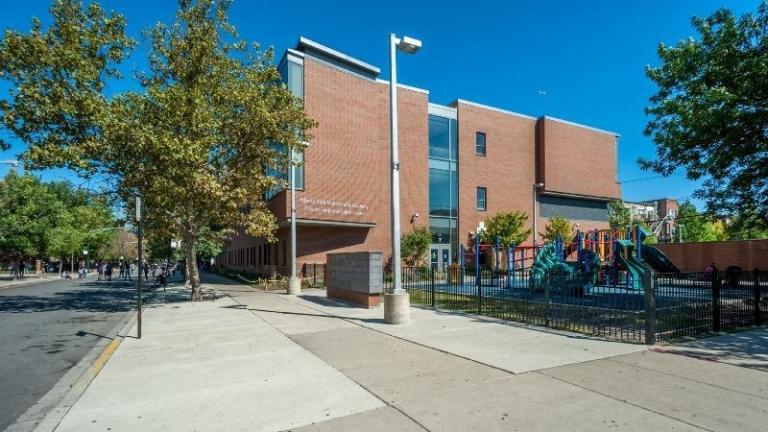
BUILD Chicago plans to provide mentoring, clinical therapy, case management and after-school programming at Spencer Technology Academy in the Austin neighborhood.
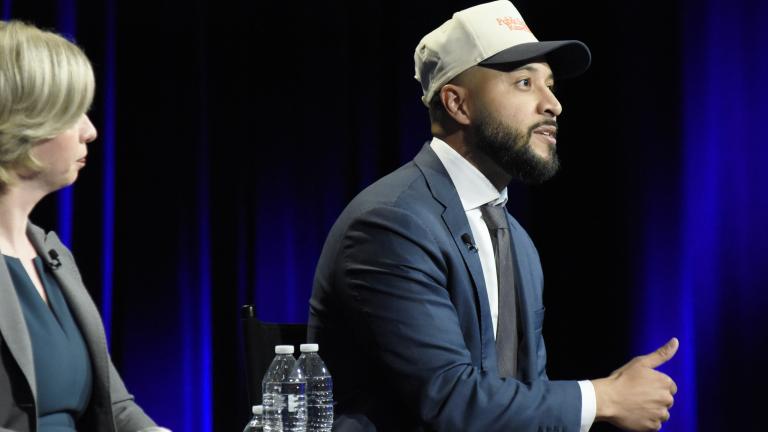
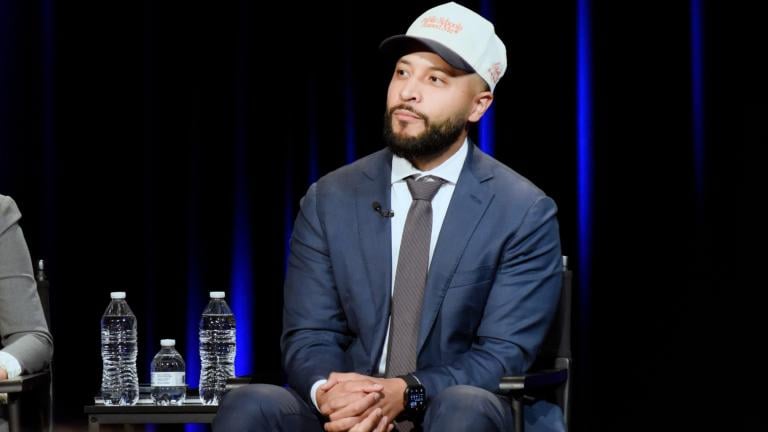
Bradly Johnson, CEO of BUILD Chicago, said these initiatives can have long-term impacts.
“We know that those issues lead to other things,” Johnson said. “That feeds into violence prevention, but also life outcomes.”
Enlace will use the money to work across seven community schools in Little Village to provide mental health services, culturally responsive family therapy and other family support.
“We believe that by bridging the community into schools, helping reduce the barriers that our families have and just engaging with a school, … what we wanna do is increase trust for the community with larger school systems and help bridge elementary to high school,” Ortiz said.
Johnson said chronic absenteeism in the Latino community has risen in recent months due to the increased presence of federal immigration agents and deportation efforts in Chicago.
“In Black and Brown communities, the immigrant crisis with ICE has been a big problem,” Johnson said. “We’ve got refugee and immigrant families who are being terrorized, essentially, and scared to come out.”
Illinois Action for Children plans to expand its Community Connections model across several elementary schools in Garfield Park to identify and address attendance concerns early while connecting families to support services.
The Alliance 98 is partnering with High School of Social Justice in Little Village to connect chronically absent high school students with paid employment opportunities that align with their interests and goals.
“What this organization is doing is pairing some of those job placement opportunities with education, so incentivizing their attendance at school while also giving them a chance to work in their local community where there are a number of businesses,” Barrera said. “It’s an opportunity to meet their immediate needs, which is focused on economics while also emphasizing the importance of staying in school.”
The grants are estimated to serve more than 400 students across 12 partner schools on the South and West sides and will seek to recover about 2,600 days of missed school. Every Day Counts is expected to continue over the next five years.
“We’ll be learning about what’s working, what’s not working and ultimately elevating that to the field so that we’re able to scale the most promising solutions citywide,” Barrera said.
WTTW News education reporting is supported, in part, by Press Forward Chicago.