Health
Sex Workers in Mexico City Say World Cup Upgrades Are Pushing Them Out
This story is part of a series of reports on life in Mexico City from Medill School of Journalism students in partnership with WTTW News. Read more about the project.
by Victoria Olaleye and Sydney Rencher
In Mexico City, sex work is legal but largely informal — a form of work that many women rely on to pay rent, buy food and cover medical costs. As the city prepares for the 2026 FIFA World Cup, sex workers say construction projects are pushing them off longtime corners and into danger.
The tournament is scheduled for June and July 2026 and will be cohosted by the United States, Canada and Mexico, with Mexico City among the host cities. As the city builds a 36-kilometer bike path and upgrades roads near Estadio Azteca, sex workers say those projects are disrupting the areas where they work.
For women like Flora Coral, Sandra Montiel and Elvira Madrid Romero, sex work keeps their families afloat even as the cost of survival keeps rising.
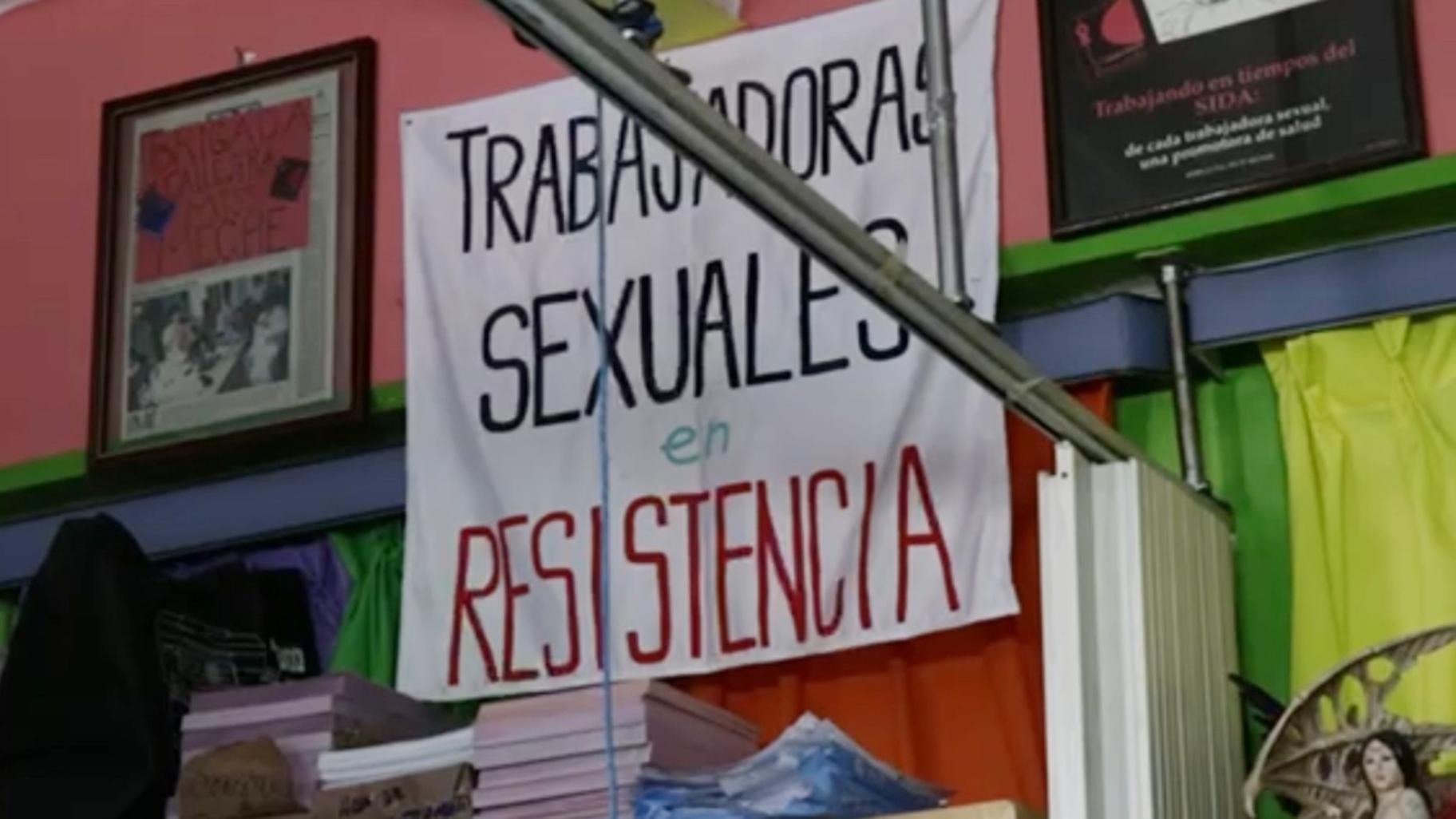 A sign at Brigada Callejera de Apoyo a la Mujer that reads, “Sex Workers in Resistance.” (Medill School of Journalism)
Madrid Romero runs Brigada Callejera de Apoyo a la Mujer, or the Street Brigade, a small clinic and rights group that now supports sex workers across much of Mexico. She started the group as a student project but stayed after she saw how often sex workers faced violence, illness and hunger with little help.
“It is a major challenge we have,” Madrid Romero said. “It is about recognizing sex work as non-salaried (self-employed) work throughout Mexico. That would give our fellow activists a little bit of a break. It will not solve exploitation, but it will help a little.”
Madrid Romero calls the women who come to Brigada her colleagues. She said most entered sex work to cover basic needs such as rent, food and medical care that low-wage jobs could not provide.
Across town, Montiel said sex work was the only job that consistently covered rent, but it came at a heavy cost. On the street, she said, police chased her, jailed her, beat her and left her without food or water.
“The police raped us, forced us to have sex with them, to give them oral sex, forced us to bring our clients to extort us,” Montiel said.
She argued that churches and institutions often judge sex workers while ignoring the poverty and violence that push many into the trade.
“There are many who stand on a street corner because they have sons or daughters with chronic or terminal illness and minimum wage is not enough for them,” Montiel said.
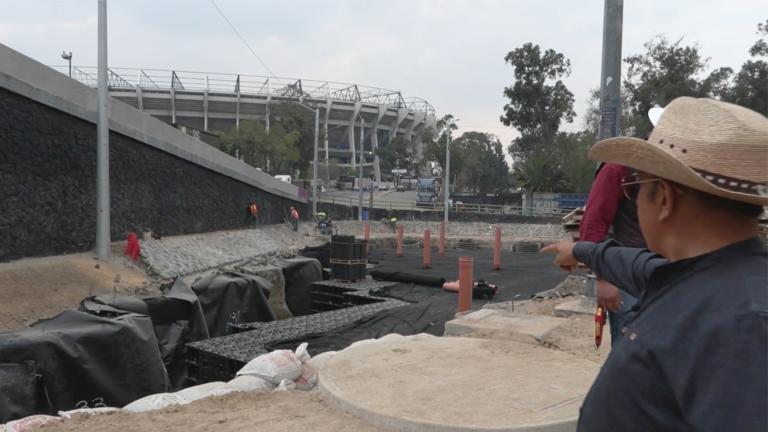
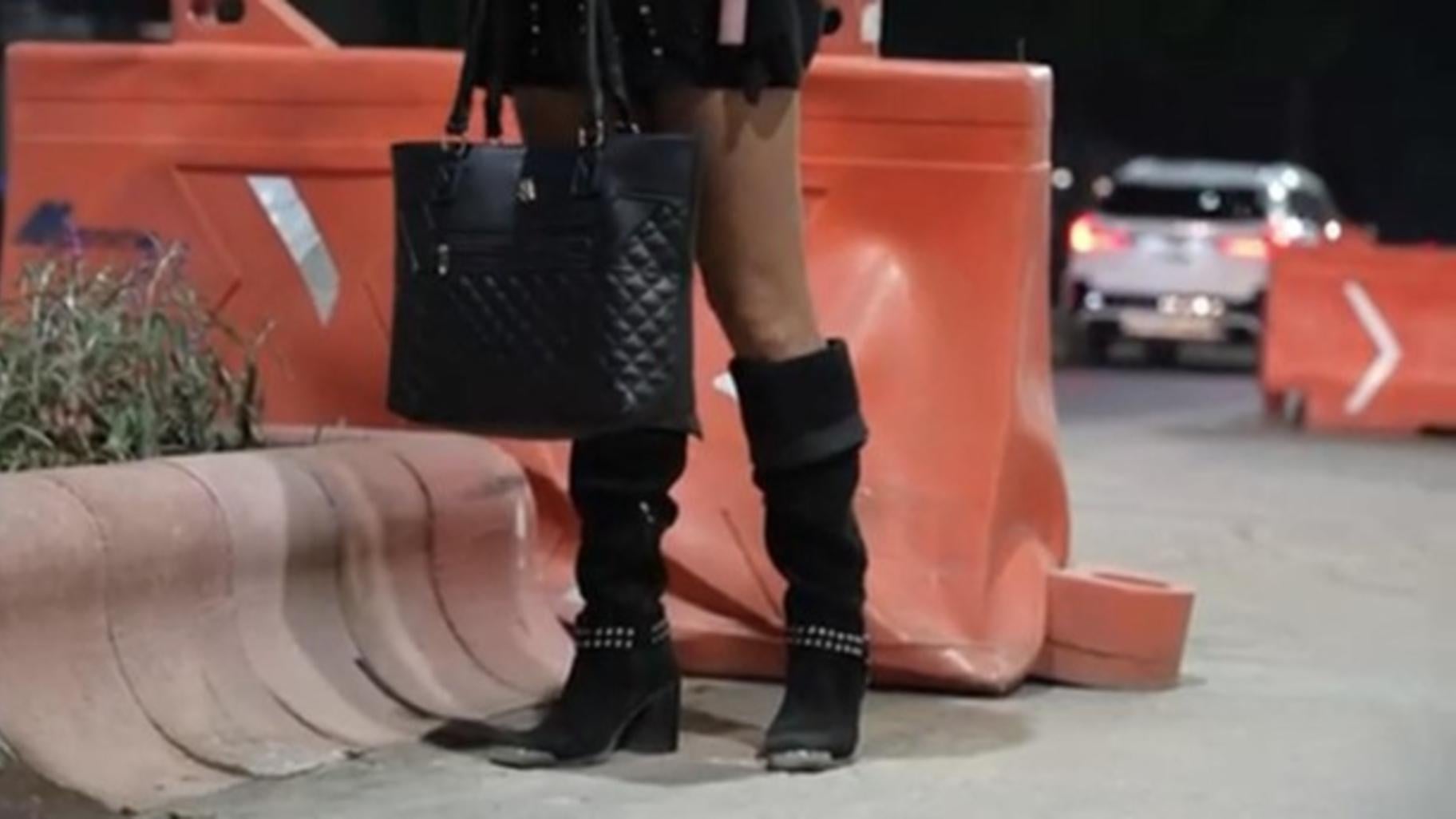 Flora Coral stands beside construction near her regular corner in Mexico City, waiting for clients to stop and pick her up. (Medill School of Journalism)
Research across the country has found that sex workers in Mexico face routine abuse, extortion and sexual violence from police and other authorities, and that criminalization and police harassment make that abuse more likely. That research supports sex workers’ accounts that law enforcement often compounds the risks they face.
Coral, 55, cooks plates of food to earn extra cash, but most of her income comes from sex work just steps from the construction. She said new barriers and road closures tied to World Cup preparations have made it harder for clients to stop.
“When a client stops to have a conversation about the services we provide, the person behind them is already honking them away so the customers leave and we do not get the chance to finish the conversation and talk to them,” Coral said.
She wants authorities to grant permits, listen to sex workers and stop moving them without offering safer places to work. Before criticizing sex workers, she said, people should ask what they are doing to help.
As the World Cup approaches, the streets are being rebuilt for fans and cameras. But Coral, Montiel and Madrid Romero said they want to remain visible after the tournament ends as workers and neighbors, not just as problems to be cleared away.
Elena Lehmann contributed reporting in Mexico City.