Sports
As Mexico City Prepares to Host World Cup, Residents Say Construction Is Taking a Toll
This story is part of a series of reports on life in Mexico City from Medill School of Journalism students in partnership with WTTW News. Read more about the project.
by Caleb Bunch and Aidan Sloan
SANTA URSULA — As construction crews prepare for the 2026 FIFA World Cup at Mexico City’s renowned Estadio Azteca, Rosalba Flores climbs to her rooftop to wash clothes by hand. It’s another day without running water in the neighborhood closest to the stadium.
Flores lives in Santa Úrsula, a neighborhood tucked in the shadow of the Estadio Azteca, with her home closer to the stadium’s front gates than any other residence. As Mexico City prepares to host the 2026 FIFA World Cup this summer, construction crews have been working to renovate the iconic venue, which is set to become the first stadium in history to host three World Cup opening matches. But the accelerated pace of that work is taking a toll on people who live nearby.
“There has been a shortage of water this time, because obviously the construction work has broken pipes, broken water tanks,” Flores said. “For example, the day before yesterday there was no water because the construction work was being carried out — a pipe broke, leaving us without water.”
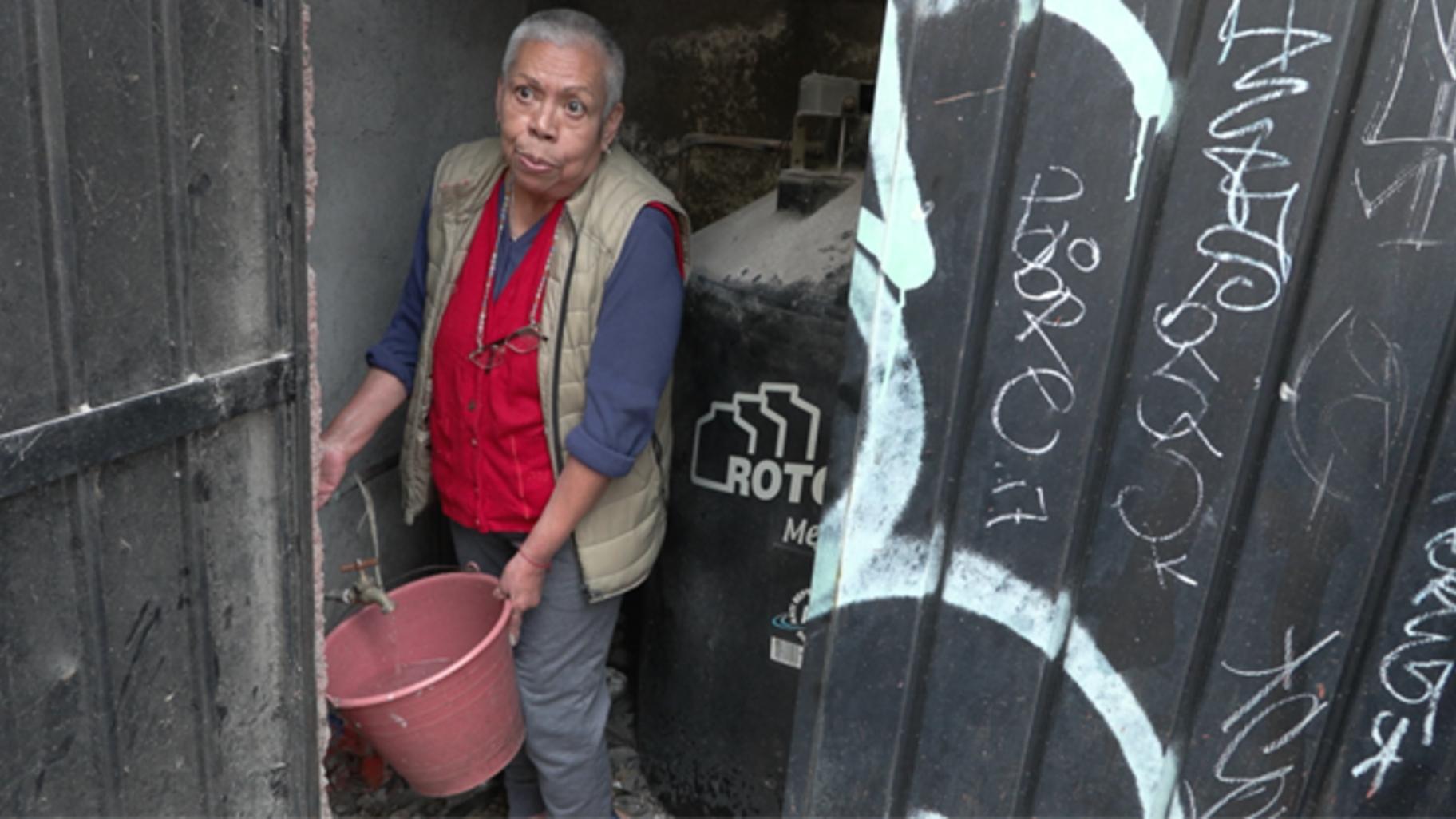 A Santa Ursula resident fills a bucket from a shared tap, as nearby construction at the Estadio Azteca has disrupted water access for many residents surrounding the stadium. (Medill School of Journalism)
Residents said the rapid construction is destroying local infrastructure, severing the very pipelines that communities depend on for daily life. For many in Santa Úrsula, the disruptions have come with little warning and even less explanation.
“A lot of people are unhappy, or were unhappy,” Flores said. “This is because they didn’t really have all the information about what was going to be done at the place.”
Rubén Ramírez has made it his mission to change that. A lifelong resident of Santa Úrsula, Ramírez spends his days going door to door, documenting the concerns of his neighbors and tracking the community resources he said are being diverted in the name of the World Cup. To the people of this community, he is known as “The Warden.”
“I am a native of the town, and I am very interested in defending its rights,” Ramírez said.
In recent months, he said, his work has grown considerably more difficult.
“As you can see, we are facing a water crisis,” Ramírez said during one of his neighborhood visits. “All the communities of Mexico City have problems, but the government — and previous governments — want to take away our constitutional rights.”
While residents are struggling, Mexican President Claudia Sheinbaum has framed the upcoming World Cup as a defining moment for the nation. She is pledging that the tournament will inject billions of dollars into the economy. But for José Arteaga, who has lived through two previous World Cups in this same neighborhood, those promises have a familiar ring.
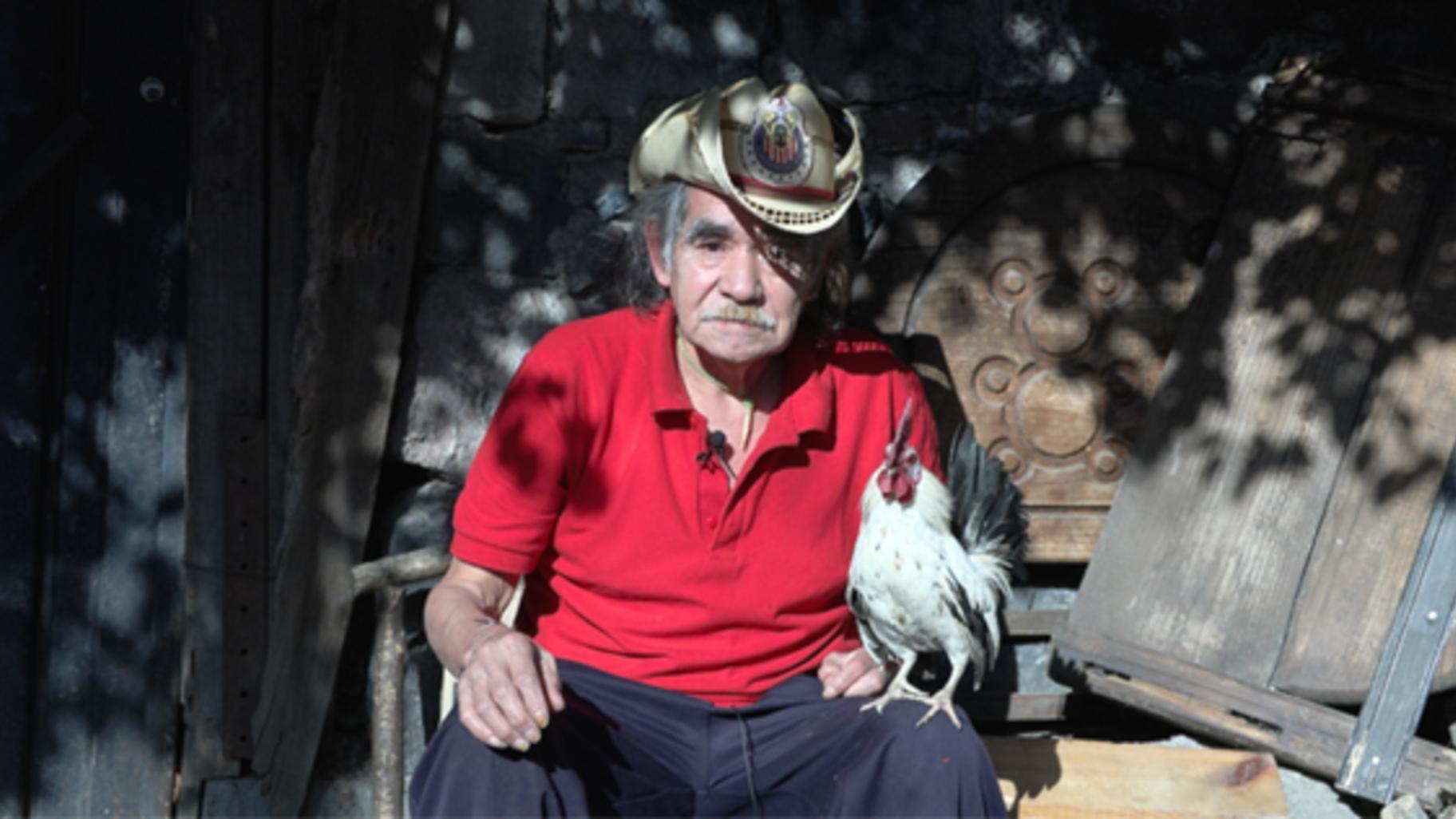 Jose Arteaga, holding his rooster at his side, reflects on how his everyday life has changed since construction began. (Medill School of Journalism)
“Water flow has decreased considerably,” Arteaga said, “and besides, with every improvement, there’s always something against us.”
Arteaga said he is still waiting for the economic benefits of past tournaments to reach his doorstep.
Ramírez, for his part, is already thinking about what comes after the final whistle blows and the international cameras go dark.
“Once the World Cup is over, we’ll see the collateral damage this event has caused,” Ramírez said. “Because the original people of Santa Úrsula Coapa have already lived through three World Cups and have never received any benefit from the state of the Azteca Stadium in those three World Cups.”
The fans will go home. But the residents of Santa Úrsula said they will be the ones left to navigate what remains.
Elena Lehmann contributed reporting in Mexico City.