Science & Nature
Fighting Floods, From the Deep Tunnel to Neighborhood Infrastructure
Flooding in Chicago has always been a possibility during warmer months. Now, with a warming climate, that threat is expanding. And so are the links between the global climate and neighborhood-level impacts.
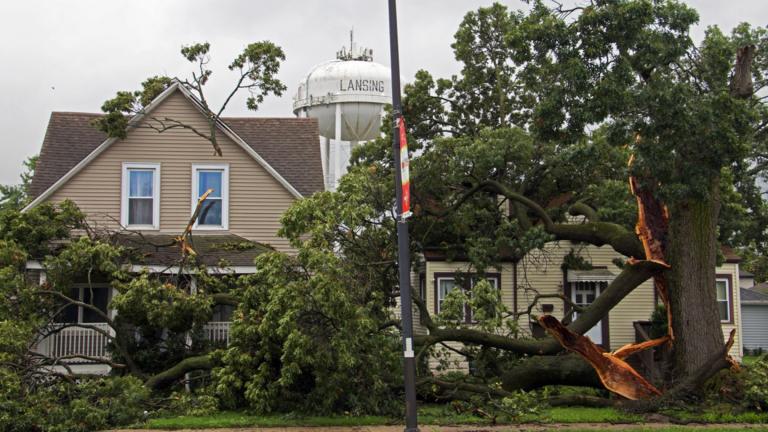
Since March, multiple rounds of severe storms have caused flooding, plus hail damage and even tornadoes. A warmer atmosphere can hold more moisture, and that moisture can turn into rainfall.
“This is a classic recipe for severe weather,” said Ashish Sharma, the Climate and Urban Sustainability Lead at the University of Illinois’ Discovery Partners Institute. “Right now, it’s just happening a little bit more often.”
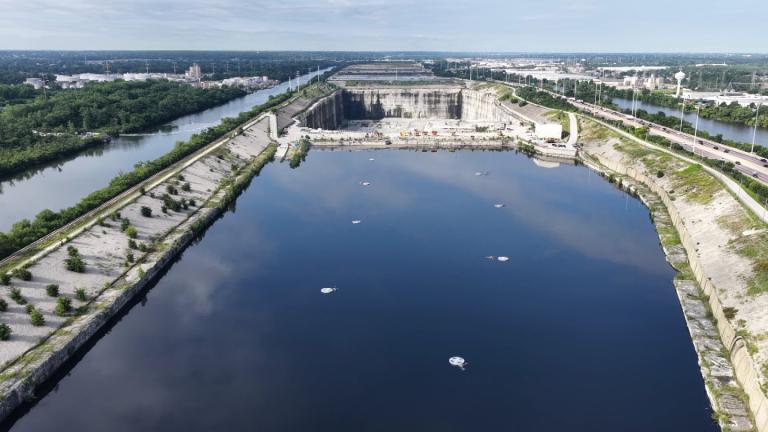
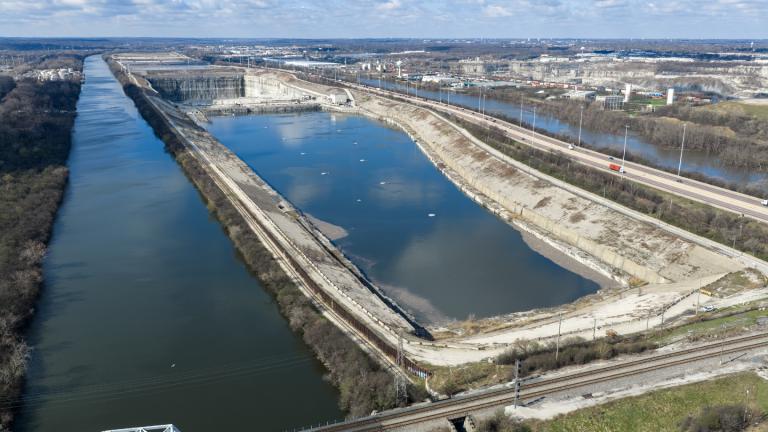
The Metropolitan Water Reclamation District (MWRD) manages several lines of defense against floodwaters in Chicago and 128 suburbs. These include the Tunnel and Reservoir Plan, commonly known as “the Deep Tunnel”; over 35 stormwater reservoirs; and “green” infrastructure and storage projects with partners around the region.
According to Kevin Fitzpatrick, the assistant director of engineering at MWRD, the work of managing floodwaters begins before the rain even starts to fall.
“As part of (reversing the Chicago River), we created 76 miles of manmade waterways,” said Fitzpatrick. “In advance of a storm, we can let more water out of those canals downstream, and create about 5 billion gallons worth of storage in the canals.”
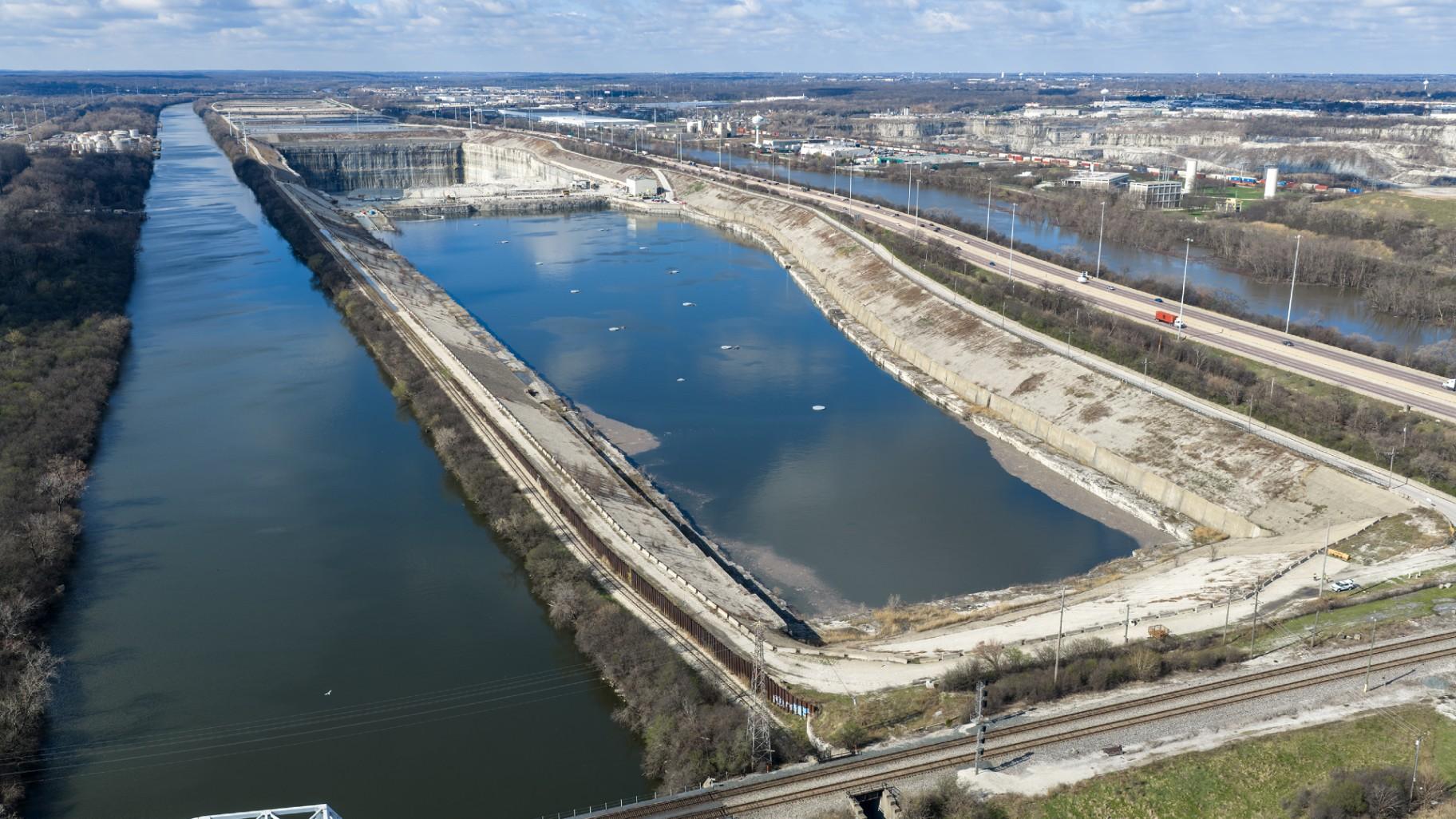 An image of the McCook Reservoir. (Courtesy of MWRD)
During a storm, up to 11 billion gallons of water are captured and pumped to treatment plants before being returned to nature.
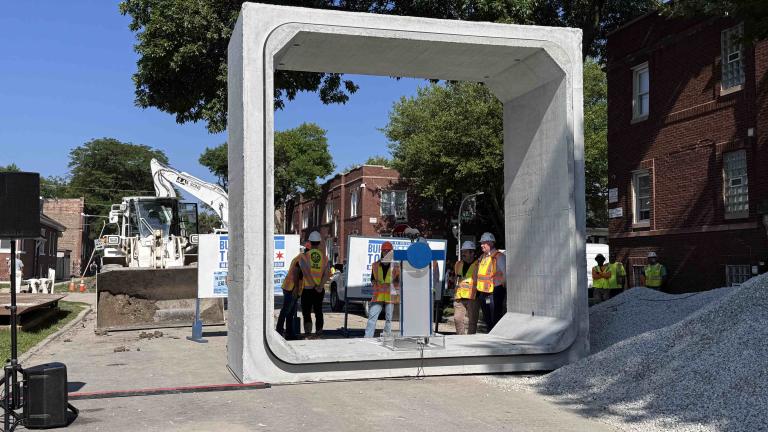
The system is set up well to handle massive amounts of water – if it can get there. In some areas of Chicago, aging sewer systems struggle to keep up with the volume of water during heavy rains, causing it to back up into neighborhoods.
This shows up in several ways in the Little Village neighborhood, according to Brenda Santoyo Gomez, the water justice program manager at Little Village Environmental Justice Organization.
Pooled water can make it difficult to navigate the streets and sidewalks. And in a neighborhood with a high proportion of renters living in garden units, a flooded apartment can be financially devastating.
One solution is to catch water where it falls, before it enters the sewer system. This can be accomplished through green infrastructure, like porous pavement, rain barrels or nature areas.
La Villita Park is one of the few green spaces in Little Village. Ironically, flooding at the entrance can prevent people from accessing the area.
Still, the park is a major improvement from the site’s past use as an industrial asphalt plant. Before the site was remediated, runoff during heavy rains could carry pollutants into nearby homes and cause health problems like skin rashes in residents.
But in a neighborhood that still has a lot of industrial sites, the concerns haven’t gone away. According to Santoyo Gomez, all the possible outcomes of floods can build up to affect mental health.
“It causes a lot of stress, anxiety, depression… worrying ‘if it’s raining today, am I going to be OK? Is my family going to be OK? Or, am I going to have to deal with the aftermath of flooding?’” said Santoyo Gomez.
Working in an urban environment can make infrastructure upgrades difficult, according to Fitzpatrick.
The Chicago area is “a highly dense area, there’s not a lot of room to put in a new reservoir. So we’re having to get creative,” said Fitzpatrick.
Beyond traditional and “green” infrastructure, there’s another area where improvements can be made: information.
Sharma is working on that with others through a new forecasting tool. Predicting when and where flooding will occur is a bigger challenge than just predicting rainfall, and he hopes to give more neighborhood-specific forecasting.
And for Santoyo Gomez, just making sure people know what to do when they face a flood can go a long way, especially when language barriers exist.
“Oftentimes people don’t have guidance on what the next steps look like,” if there’s flooding in your home, said Santoyo Gomez. “Who do you call? What kind of support is available?”
Note: This story was updated to correct the name of the University of Illinois’ Discovery Partners Institute.