Crime & Law
After Fatal Minneapolis Shooting, Chicago Judge Raises ‘Concern’ Over Dismissing Lawsuit on Federal Agents’ Use of Force
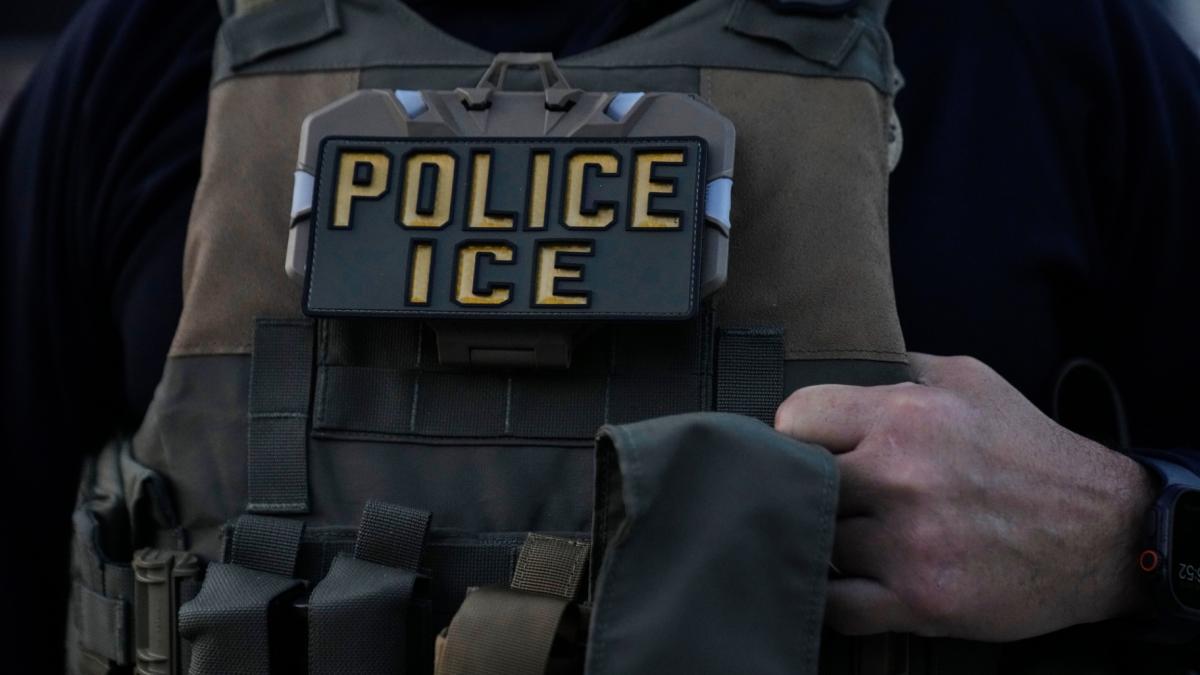 A U.S. Immigration and Customs Enforcement agent takes part in an early morning operation in Park Ridge, Ill., Friday, Sept. 19, 2025. (AP Photo / Erin Hooley)
A federal judge who entered a sweeping order restricting federal immigration agents’ use of force in Chicago held off on granting a voluntary dismissal of that case following the fatal shooting of a woman by an agent in Minneapolis Wednesday.
U.S. District Judge Sara Ellis on Thursday raised concerns about the dismissal request in a class action lawsuit brought by the Chicago Headline Club and local journalists who fought for a broad injunction to limit federal agents’ use of force in an effort to protect legal observers after numerous reports of unconstitutional actions by the agents.
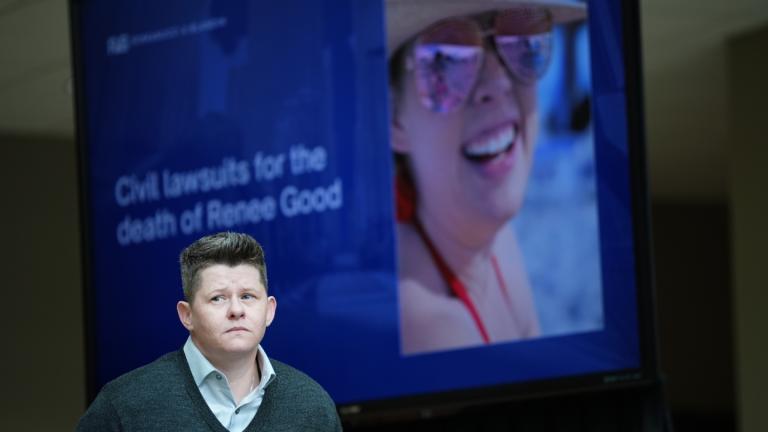
Ellis specifically pointed to the fatal shooting of 37-year-old mother Renee Good by a U.S. Immigration and Customs Enforcement agent on Wednesday in opting to delay her ruling.
“It doesn’t give me much comfort in reading news reports that someone who in some news reports was described as a legal observer was shot yesterday in Minneapolis,” Ellis said. “So that’s my concern.”
Videos taken by bystanders with different vantage points and posted to social media show an officer approaching an SUV driven by Good that was stopped across the middle of the road, demanding the driver open the door and grabbing the handle.
The SUV begins to pull forward and a different ICE officer standing in front of the vehicle pulls his weapon and immediately fires at least two shots into the SUV at close range, jumping back as the vehicle moves. It was not clear from the videos if the vehicle made contact with the officer.
The SUV then sped into two cars parked on a curb nearby before crashing to a stop.
The lawsuit was filed last fall after journalists, protesters and clergy members in and around Chicago claimed they had been targeted by federal immigration agents, who subjected them to a “pattern of extreme brutality” through their usage of riot control weapons without justification.
Finding that federal immigration enforcement agents repeatedly used force that “shocks the conscience” and then lied about their actions, Ellis issued a sweeping preliminary injunction as part of that lawsuit designed to permanently rein in agents’ use of tear gas, pepper balls and other crowd control measures.
Witnesses in her courtroom testified during a daylong hearing last month about agents pointing firearms at them without provocation, being hit with pepper balls or tear gas and threatened simply for documenting immigration detentions.
Ellis repeatedly said that federal agents, including Border Patrol Chief Greg Bovino, lied about the threat posed by protesters and their conduct on the streets of Chicago. Federal agents “indiscriminately” fired tear gas at Chicagoans, tackled them, beat them, struck them with pepper balls and pointed weapons at them, she found.
The Department of Justice has since appealed that injunction and the Seventh Circuit Court of Appeals agreed to temporarily halt the order. Weeks after that ruling, the plaintiffs filed a motion to voluntarily dismiss their own case.
DOJ attorneys did not object to that motion, but have called the plaintiffs’ sudden move to voluntarily dismiss their own lawsuit “transparent procedural gamesmanship.”
Since the dismissal motion was filed in early December, immigration agents have renewed their enforcement efforts in Chicago and the surrounding suburbs.
Ellis on Thursday noted that if she does dismiss the case, her injunction would no longer exist. She said that while she has no intention of forcing the plaintiffs to litigate a case they don’t want to, she does have a legal requirement to protect the rights of the class certified in this case.
Ellis has already given all class members weeks to file any objections to the dismissal motion, but none have done so, attorneys said Thursday.
“Certainly given my ruling,” she said, “I believe that the evidence presented in this case justified the need for a preliminary injunction to govern the actions of federal agents when they’re interacting with legal observers, journalists and protesters.”
Ellis set a hearing for Jan. 22 to allow her time to review legal rules regarding the status of the class. The judge on Thursday also agreed to unseal use of force reports and hundreds of hours of video from federal agents’ body cameras recorded prior to her injunction in November.
Numerous videos cited in that injunction ruling have already been released, but Department of Justice attorneys said the next trove to be unsealed will include more than 500 videos.
Ellis gave the DOJ 60 days to complete that process.
The Associated Press contributed to this report.