Politics
CTA Proposes Fare Increases as Transit Agencies Face Potential Fiscal Cliff, Service Cuts
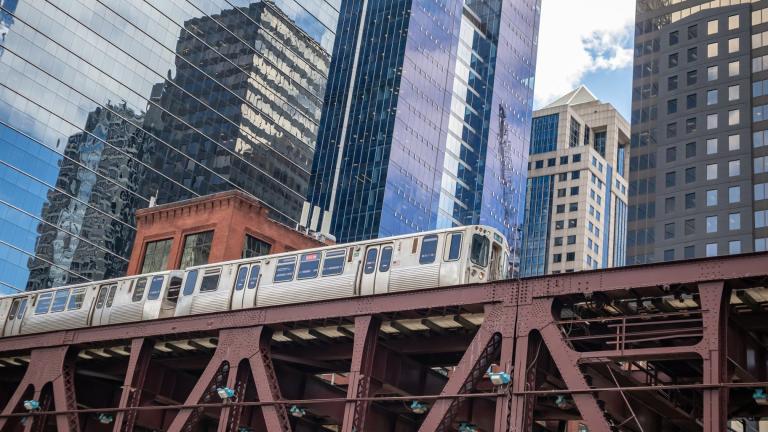
 (Rawf8 / iStock)
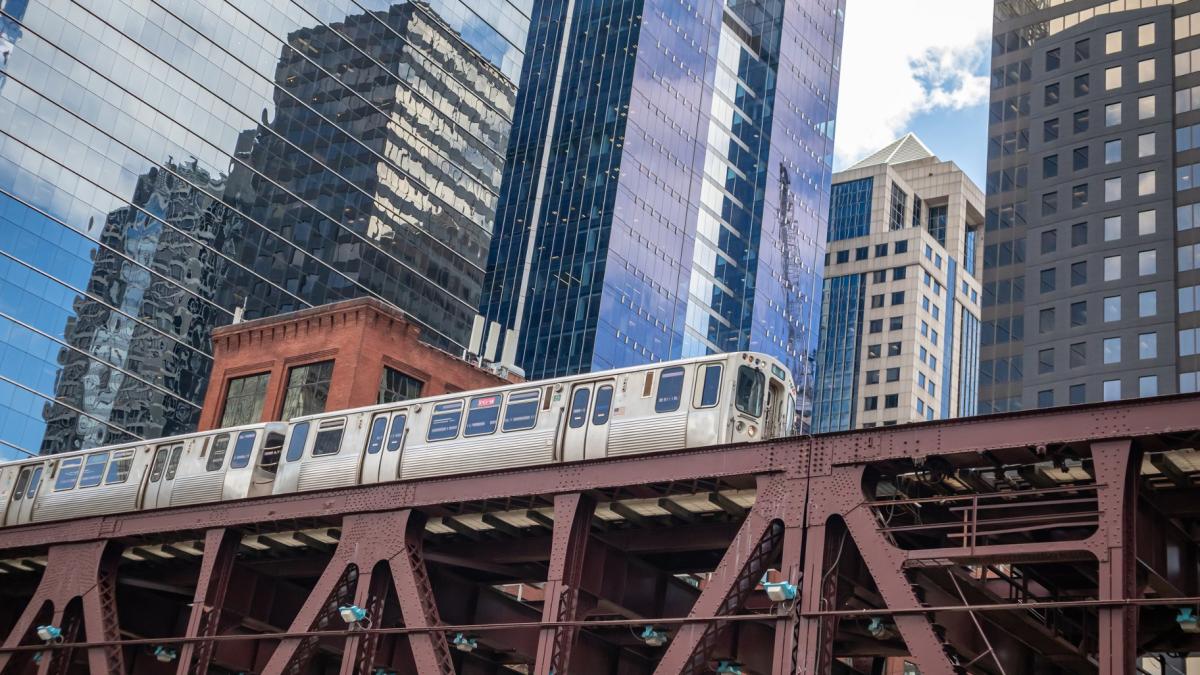
Chicago Transit Authority riders should expect to pay more in fare next year under a newly released 2026 budget proposal from the transit agency.
Riders would see their base fare for both bus and rail to increase by $0.25 — bringing the fare up to $2.50 for buses and $2.75 for rail — starting on Feb. 1, 2026, according to a CTA budget proposal released Monday.
The Regional Transportation Authority, which oversees Chicago area public transit agencies, asked CTA, Metra and Pace to include fare increases in their 2026 proposed operating budgets as part of an effort to address a looming fiscal cliff that could lead to drastic service cuts next year.
The proposed fare increases, if approved by the Chicago Transit Board, would apply regardless of the outcome of potential transit reform efforts in Springfield during the General Assembly’s fall veto session this month.
The proposed fare hikes also include the 1-Day Pass increasing by $1; the 7-Day Pass increasing by $5; the 30-Day Pass increasing by $10; and the Regional Connect Pass increasing by $15. The 3-day pass would be eliminated under the proposal. Additionally, Ventra single-ride tickets would increase to $3.50. The “pay-as-you-go” fare — for those paying with contactless debit or credit cards — will increase to $3 for both bus and rail.
The CTA last increased fares in 2018.
“If current fares were adjusted to match the pace of inflation since the last increase in 2018, CTA fare and pass prices would be roughly 30% higher today,” according to the proposed CTA budget. “As an example, the single-ride rail fare of $2.50 in 2018 would have been $3.22 in 2024.”
Chicago-area transit agencies — CTA, RTA, Pace and Metra — are facing a $200 million fiscal cliff next year when COVID-19 relief money runs out. That amount is down from a previous funding shortfall estimate of $771 million following new estimates from RTA earlier this month.
This year, CTA ridership has continued to return as service levels were increased above pre-COVID-19 levels, according to the agency. However, ridership hasn’t fully caught up. Ridership across the system is currently at 70% of pre-pandemic numbers, according to the agency.
The CTA proposed three operating budgets for 2026, reflecting different funding scenarios, including if it receives no additional funding to address the structural funding gap.
Without additional funding to address the funding gap, riders would see “a significant cut” to service, according to the CTA, with riders experiencing longer wait times, the potential elimination of early morning, midday, late night and overnight service, along with the closure of some rail stations and bus stops.
“The potential cuts CTA may be forced to make will be some of the deepest cuts the agency has ever had to make to modern service,” according to the budget. “These potential cuts may kick off a downward spiral where transit service continuously becomes less useful and reliable for the region, causing further declines in ridership and leading to further cuts.”
Without additional funding, the CTA would first look to cutting staff and eliminating open vacancies starting next year, according to the agency. The CTA would make cuts to administrative and management personnel first before any cuts are made to service, it says.
Bus and train service cuts would happen in two rounds, the first cuts happening in August 2026 and a second cut by March 2027, according to the agency.
The Chicago Transit Board is expected to vote on the proposed 2026 CTA budget during its monthly regular board meeting scheduled for Nov. 12. A hearing will be held Nov. 5 at 6:30 p.m. at the CTA headquarters, 567 W. Lake Street, for public comment on the proposed budget.
Contact Eunice Alpasan: [email protected]