Health
3 Human Cases of West Nile Virus Confirmed in Chicago: Health Officials
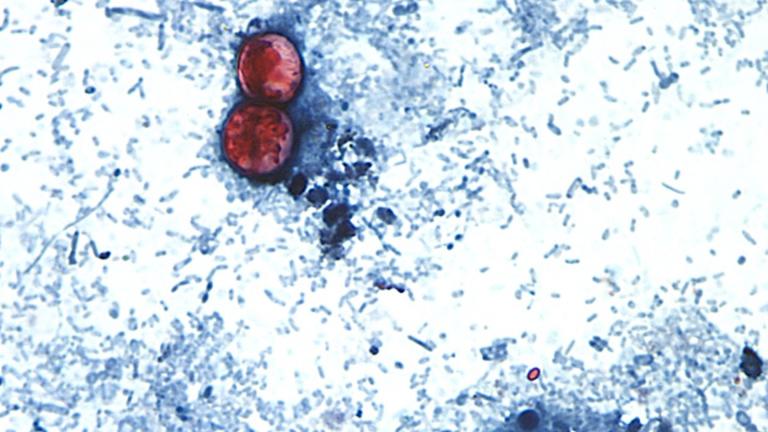
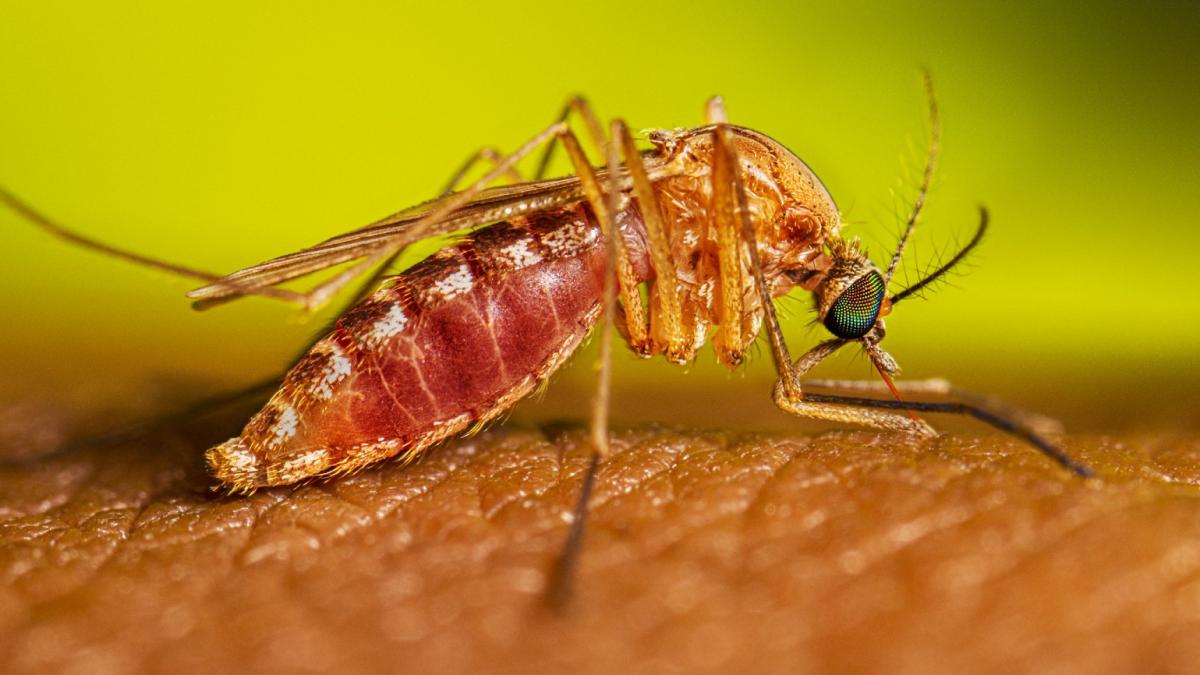 (Courtesy of the Centers for Disease Control and Prevention)
The first three human cases of West Nile virus this year in Chicago were confirmed Tuesday by the Chicago Department of Public Health.
The patients range from 40 to 80 years old and reside on the Northwest and South sides. The patients’ symptoms began in late July or early August, according to the health department.
“We are seeing a higher proportion of mosquitoes testing positive for West Nile virus than usual this year,” CDPH Commissioner Dr. Olusimbo “Simbo” Ige said in a news release. “The best way to protect yourself from West Nile virus is to avoid mosquito bites and take measures to stop them from breeding around your home.”
The state's first human case of West Nile virus this year was confirmed in late June in an individual from southern Illinois who was hospitalized due to complications from the infection, according to the Illinois Department of Public Health.
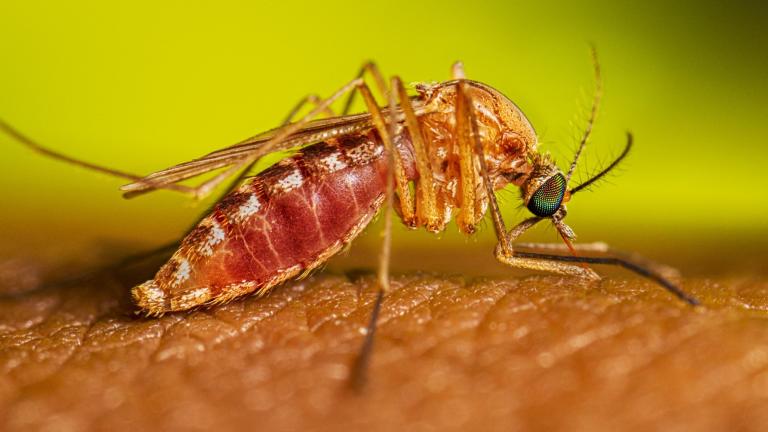
West Nile virus is typically spread to humans through being bitten by an infected mosquito. The virus is not generally spread from person to person. While most people infected with West Nile virus do not feel sick, about one in five people develop a fever and flu-like symptoms. Severe illness is most likely in people over 60.
Last year, 69 human cases of West Nile virus were confirmed in Illinois, including 13 deaths, according to IDPH.
West Nile virus risk in Chicago is currently rated as high, according to CDPH. The health department recommends Chicagoans take precautions against mosquitoes:
- Use EPA-registered insect repellant that contains ingredients such as DEET, picaridin, IR3535 or oil of lemon eucalyptus.
- Eliminate standing water by emptying water from any outdoor containers, such as flowerpots, gutters, pet water dishes and birdbaths on a weekly basis.
- Keep grass and weeds short to eliminate hiding places for adult mosquitoes.
- When outside between dusk and dawn, wear loose-fitting, light-colored clothing, long sleeves, pants, socks and shoes.
- Make sure that all screens, windows and doors are tight-fitting and free of holes.
- People who are immunocompromised should consider avoiding outdoor activity during peak mosquito hours from dusk to dawn.
CDPH’s mosquito control program includes treating catch basins in the city with larvicide, collecting and testing mosquitoes for West Nile virus and spraying insecticide in specific areas to kill adult mosquitoes.
CDPH has sprayed insecticide in nine community areas over the last several weeks, according to a news release. The health department says it plans to continue spraying insecticide Wednesday and Thursday in areas of the Northwest, Far South and West sides.
Contact Eunice Alpasan: [email protected]