

Health
Facing an unprecedented public health crisis, governors are trying to get what they need from Washington, and fast. But that means navigating the disorienting politics of dealing with President Trump.

Illinois health officials on Thursday reported the largest single-day jump in COVID-19 cases in the state – 673 – surpassing a record set just a day earlier.
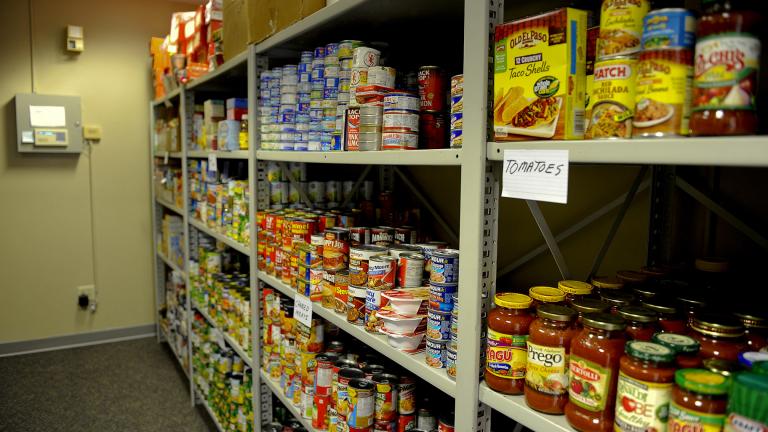

As the COVID-19 crisis continues to unfold and layoffs and business closures mount, food pantries all over Illinois are bracing for increased need.

A day after Mayor Lori Lightfoot threatened to close off access to city parks if Chicagoans continued to flout social distancing rules, the city shut down the lakefront trail, beaches and adjoining parks, the Bloomingdale Trail and the Chicago Riverwalk.

Despite promises from the government that supplies are on the way, some area hospitals are worried they won’t have enough for a likely surge in COVID-19 patients. Swedish Hospital turned to the community for help, and an innovative duo stepped up.
How is the coronavirus impacting businesses and residents in Chicago’s South Shore neighborhood? We speak with Ald. Leslie Hairston, whose 5th Ward includes much of Hyde Park and Woodlawn, and sections of South Shore.

The Chicago Youth Centers network serves around 1,400 children, but the coronavirus pandemic has halted its in-person services – and that will have lasting repercussions on families in need, the group says.
In a move aimed at softening the economic impact of the novel coronavirus, Illinoisans will have an additional three months to file their state taxes. Gov. J.B. Pritzker made the announcement as the state reported it’s largest single-day jump in COVID-19 cases.

While Illinois residents have been following a stay-at-home order since Saturday, people in China have been dealing with restricted living conditions for months. We speak with a Chicago native who now teaches high school in the Chinese city of Zhangjiagang.
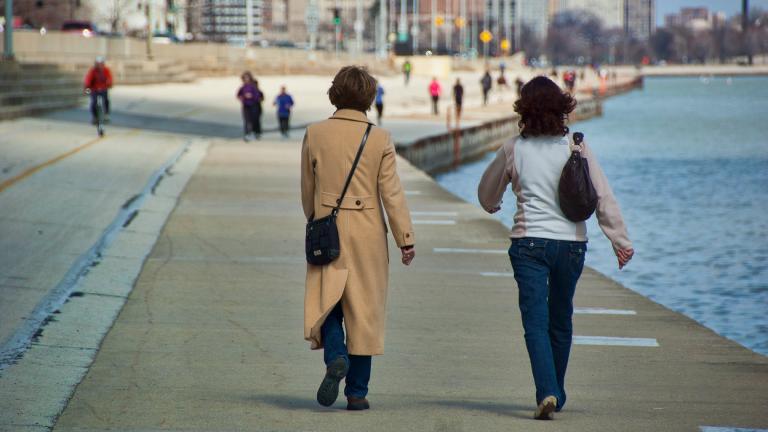
Chicago’s mayor says too many people are flouting the governor’s order to stay home and maintain social distance, particularly along the lakefront and at playgrounds. “This situation is deadly serious,” she said Wednesday.

People without health insurance can receive care if they think they have the novel coronavirus, and no patient will be turned away because of inability to pay, according to the Chicago Department of Public Health.
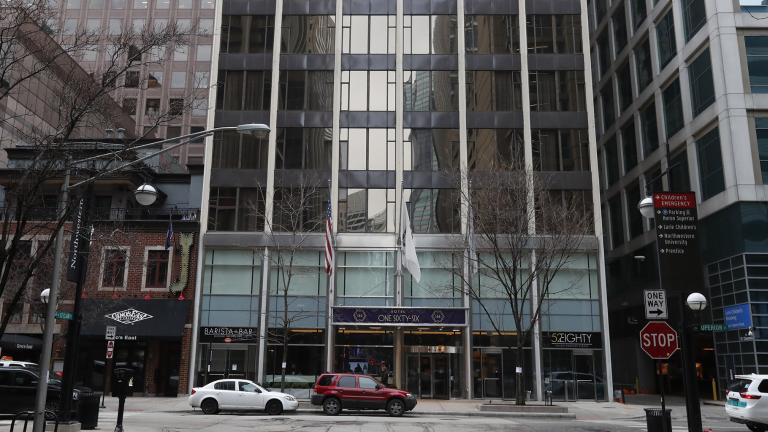
Chicago’s plan to reserve at least 1,000 hotel rooms through partnerships with five hotels is the first such sweeping strategy unveiled in the U.S. aimed at relieving the pressure on hospitals that are the only option for the seriously sick.
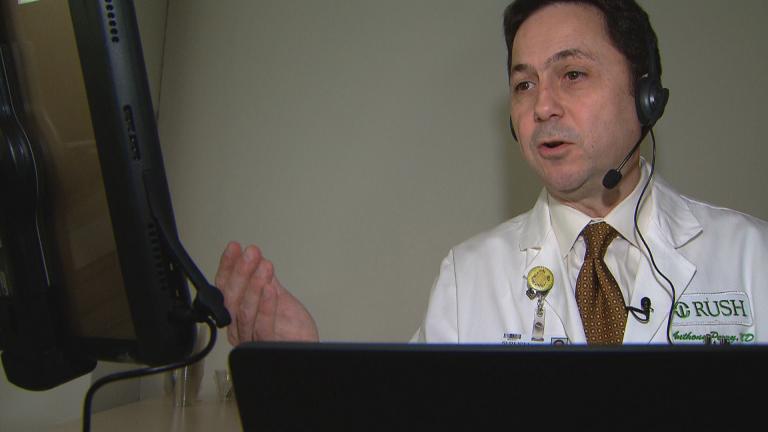
In the midst of the coronavirus pandemic, Illinois doctors are increasingly seeing their patients online, and executive actions last week by President Donald Trump and Gov. J.B. Pritzker make it easier than ever.
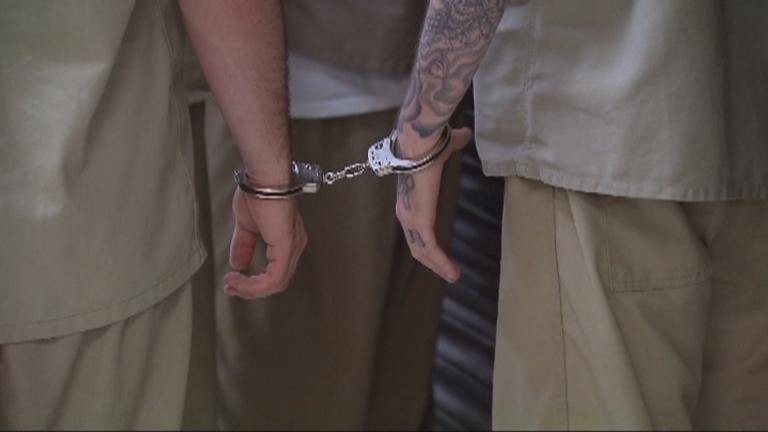
Among those most vulnerable to the coronavirus are jail and prison populations, where people live in tight quarters, with potentially limited health care and access to basic needs like soap.
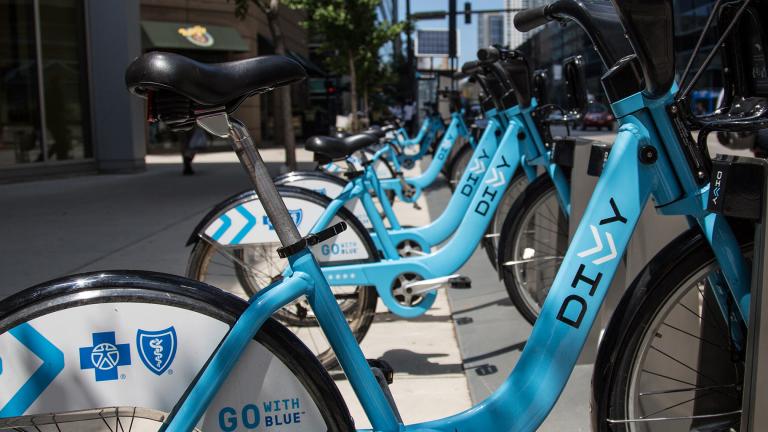
Half-priced Divvy memberships, credit for unused CTA passes and free rides for paratransit customers are all part of Chicago’s plan to keep its transportation network rolling during the COVID-19 pandemic.
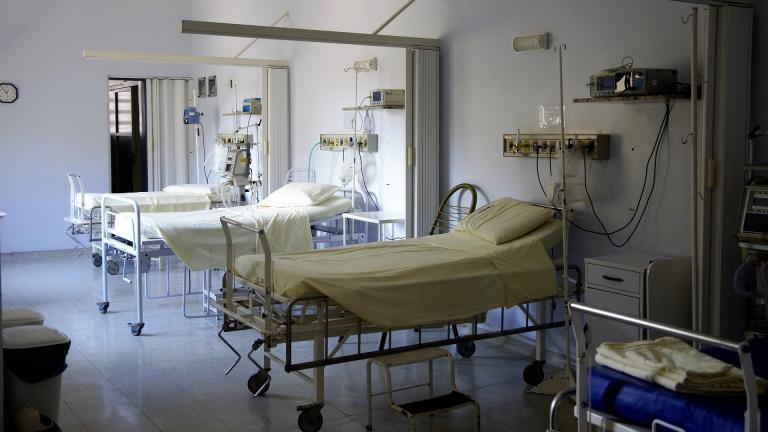
While the number of COVID-19 cases in Illinois is rising, hospitals across the state are meeting the demand for beds and ventilators. But on Tuesday, Gov. J.B. Pritzker outlined what could have happened without preventive measures to slow the spread of the virus.
Trending
Obamas Celebrate Chicago Roots, Power of Community During Presidential Center’s Opening

Hear From the Architects Behind the Obama Presidential Center

What to Know About the History of Juneteenth and How It Became a Federal Holiday

EF-2 Tornado Near Midway Among 20 Tallied So Far From Last Week’s Storms, Weather Service Says

South Side Residents Voice Gentrification Concerns Ahead of Obama Presidential Center Opening

Sign up for the WTTW News newsletter